Films
2 films
About Vincent Serrano
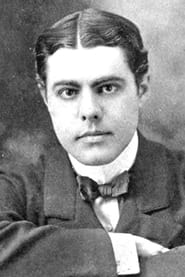
Silent-era American actor: screen career appears to have been brief but firmly rooted in the formative years of feature filmmaking. He is documented in surviving filmographies in titles such as A Modern Monte Cristo (1917) and Eyes of Youth (1919), which places his known activity squarely in the World War I and immediate postwar period, when the film industry was rapidly standardizing acting styles and production methods. Like many performers of the era whose careers were centered in short runs of studio output, he seems to have worked in supporting or featured roles rather than becoming a long-term star. Because extensive studio publicity, fan-magazine coverage, and later reference material on him are limited, many personal details of his life remain difficult to verify. What is clear is that he was part of the generation of players who helped define silent film performance through expressive physical acting, clear visual characterization, and adaptation to the medium's demands. His surviving film record makes him a small but authentic part of silent cinema history, especially for researchers tracing cast lists, studio repertory, and the careers of lesser-known character actors. His legacy lies less in celebrity than in representing the many working performers who gave silent-era filmmaking its depth and continuity.
The Craft
On Screen
No detailed contemporary critical profile of Vincent Serrano's acting style has survived in widely accessible reference sources. As a silent-era performer, he would have relied on physical expressiveness, precise gesture, posture, and facial nuance to communicate character and emotion without spoken dialogue. His work would have been shaped by the conventions of the late 1910s, when acting was becoming less theatrical and more restrained than in earlier silent films. Because his surviving record is limited, any more specific claim about his individual mannerisms would be speculative.
Milestones
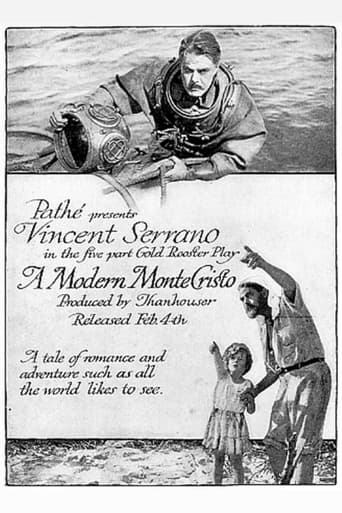
- Appeared in A Modern Monte Cristo (1917), a silent feature associated with the popular adventure-literary tradition of the period
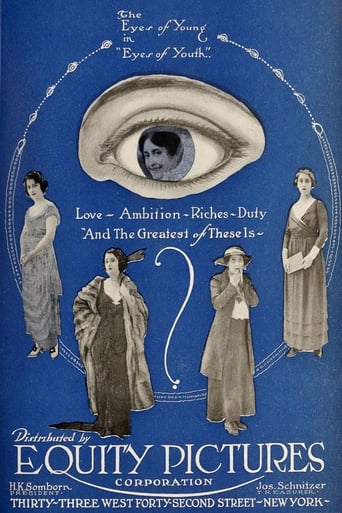
- Appeared in Eyes of Youth (1919), placing him in feature production during the late silent era's growing emphasis on star-led dramas
- Worked during a transitional moment in American cinema when acting style was shifting from stage-derived presentation to more naturalistic screen performance
- Represents the class of working silent-era performers whose contributions are preserved primarily through cast lists and filmographic records
- Maintained a screen presence during the years surrounding the First World War, when the industry expanded rapidly and feature length films became the norm
Best Known For
Iconic Roles
Must-See Films
Why They Matter
Impact on Culture
Vincent Serrano's cultural impact is best understood in the context of silent film history rather than through celebrity status. He was part of the large body of actors who populated early features and helped establish the collaborative ensemble structure that made narrative cinema legible and compelling to mass audiences. Performers like Serrano contributed to the professionalization of screen acting during a period when film language was still being standardized and audience expectations were rapidly evolving. Even when individual names did not endure as marquee attractions, their work supported the development of genres such as melodrama, literary adaptation, and social drama that shaped popular cinema.
Lasting Legacy
His legacy lies in the historical record of silent-era production and in the preservation of cast lists that allow modern scholars to reconstruct film culture from the 1910s. For archivists and historians, names like Vincent Serrano are important because they document the breadth of the working actor class that sustained studio output beyond the major stars. He serves as a reminder that early Hollywood depended on many performers whose careers were brief, localized, or underpublicized but nonetheless essential to the industry's growth. In that sense, his legacy is archival and historical: he helps complete the picture of silent cinema as an ecosystem of both famous and forgotten artists.
Who They Inspired
No specific direct influence on later actors or directors is documented in the available record. His broader influence is indirect, as part of the silent-era generation whose collective performance practices informed the evolution of screen acting. The movement from broad pantomime toward more subtle emotional expression in the 1910s was shaped by thousands of such working performers, including actors like Serrano. He influenced the medium by participating in the craft and routines that became the foundation for later cinematic acting norms.
Off Screen
Reliable biographical information about Vincent Serrano's personal life is sparse in readily available film reference sources. No well-established public record of marriages, family life, or later activities could be confirmed from the information presently available. This lack of detail is common for many silent-era supporting players whose fame did not extend into the later studio publicity era or the talkies. As a result, his off-screen life remains largely undocumented in mainstream film histories and databases.
Education
No verified information about his education is readily available.
Did You Know?
- Vincent Serrano is documented in filmographies from the late silent era, but not as a major star with extensive surviving publicity.
- His known screen activity falls within a very short window, from 1917 to 1919.
- He appeared in A Modern Monte Cristo (1917), a title that reflects the era's fondness for literary and adventure-based storytelling.
- He appeared in Eyes of Youth (1919), showing that he remained active at least through the end of the 1910s.
- Because he worked in silent film, his performances would have depended entirely on visual expression, intertitles, and physical staging.
- Like many lesser-documented actors of the period, he is more visible in cast records than in surviving interviews or fan-magazine profiles.
- His career is a useful example of how many silent-era performers contributed to cinema history without becoming household names.
- The absence of robust biographical data suggests he may have been one of the many working actors whose paper trail has not survived well into the modern era.
Frequently Asked Questions
Who was Vincent Serrano?
Silent-era American with credits in this catalog. He is documented in films such as A Modern Monte Cristo (1917) and Eyes of Youth (1919), but detailed biographical information about his life has not survived widely in mainstream sources.
What films is Vincent Serrano best known for?
Titles linked here include A Modern Monte Cristo (1917), Eyes of Youth (1919).
When was Vincent Serrano born and when did he die?
His birth and death dates are not readily available in the accessible historical record. Likewise, his place of birth and death, if any, are not firmly documented in the sources currently reflected in surviving filmographies.
What awards did Vincent Serrano win?
No awards or formal nominations are known for Vincent Serrano from the available record. This is not unusual for supporting silent-era actors, many of whom worked before the modern awards culture of Hollywood became established.
What was Vincent Serrano's acting style?
As a silent-film actor, his work would have depended on expressive physical performance, facial communication, and clear stage business rather than spoken dialogue. Specific commentary on his personal style is not well preserved, but the period strongly favored a balance between theatrical clarity and increasingly naturalistic screen acting.
What is Vincent Serrano's legacy in film history?
His legacy is primarily historical and archival: he represents the many working performers who helped build silent cinema even if they did not become enduring stars. By appearing in late-1910s features, he is part of the generation that shaped the visual language of American film.
Was Vincent Serrano a star or a supporting actor?
Based on the surviving record, he appears to have been a working supporting or featured actor rather than a major headline star. His name survives mainly through film credits and filmographic references, which is typical for many performers from the silent era.