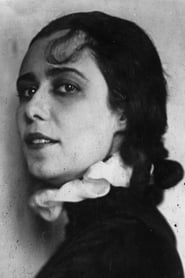
Maria Orska
Actor
- Born
- March 19, 1893, Berdychiv, Russian Empire
- Died
- May 30, 1930
- Active
- 1917-1928
- Birth name
- Maria Mayer
Films 1
About Maria Orska
Maria Orska was an Austrian-born stage and silent film actress who became one of the most celebrated and talked-about dramatic performers in German-language theater and early European cinema during the 1910s and early 1920s. Born in the Russian Empire and raised in the cultural world of Central Europe, she first achieved major fame on the stage, where she was praised for her intense, psychologically charged portrayals of emotionally tormented women. Orska brought that same heightened dramatic presence to silent films, where her screen work was admired for its expressive face, magnetic gaze, and ability to convey vulnerability, passion, and danger without dialogue. Although her film career was comparatively brief, she became a notable figure in German silent cinema and appeared in productions associated with the artistic and theatrical elite of the period. Her name is especially remembered for roles in melodramas and literary adaptations, including Die schwarze Loo (1917), which reflects the kind of intense character work for which she was known. Outside the screen, she was also part of the broader modernist theater culture of the era and was regarded as a glamorous, tragic, and enigmatic personality. She died relatively young, which helped cement her aura as a fascinating lost star of the silent era.
More about Maria Orska
On screen
Orska was known for a highly expressive, emotionally charged style that suited both melodrama and psychologically intense theater. In silent film, she relied on piercing looks, precise facial expression, and controlled gesture rather than broad pantomime, giving her characters a sense of inner turmoil and volatility. Contemporary accounts and her surviving reputation suggest that she specialized in tortured, passionate, and often morally ambiguous women. Her performances were often described as magnetic and intense, with a stage-trained emphasis on dramatic presence and emotional immediacy.
In film history
Maria Orska was part of the generation of theater artists who helped shape the transition from stage melodrama to psychologically expressive screen acting in the silent era. Her reputation rested not only on the roles she played but on the public image she projected: modern, emotionally volatile, intelligent, and faintly tragic. In the culture of Vienna and Berlin, she embodied a type of star who was as much a literary and theatrical phenomenon as a film actress, admired by critics and audiences drawn to artistic seriousness and emotional extremity. Although her screen output was not vast, her presence in silent film contributes to the history of European cinema as a medium that absorbed theatrical talent and refined it into a more intimate visual language. She is remembered today as part of the constellation of early twentieth-century performers whose careers bridged cabaret, spoken drama, and silent film, helping define the star persona of the era.
Later reputation
Her legacy lies in her status as an emblematic tragic star of the German-speaking stage and silent screen. Even though her filmography is limited and many of her films are obscure or lost, she remains notable for the intensity and sophistication associated with her performances. She is often discussed in connection with the cultural world of Vienna and Berlin between the wars, where artistic experimentation, literary drama, and psychological acting flourished. Her early death and the relatively sparse survival of her screen work have contributed to a persistent aura of mystery. For film historians, Maria Orska is an important reminder that silent cinema was shaped not only by internationally famous film stars but also by theatrical artists whose reputations were deeply intertwined with modernist performance culture.
Influence
Orska influenced the perception of how emotionally nuanced and psychologically complex a performer could be in silent cinema, especially in roles requiring a strong dramatic center. Her stage-based intensity anticipated later screen portrayals of troubled heroines and femme fatales in European film. While she is not usually cited as a direct mentor to later artists, her screen persona and stage reputation contributed to the broader tradition of expressive Central European acting that influenced subsequent generations of actors and directors.
Off screen
Maria Orska was widely known as a glamorous and unconventional figure in the cultural circles of Vienna and Berlin, and her private life attracted considerable public curiosity. She was married to the writer and journalist Egon Friedell for a period, though the marriage did not last, and her personal relationships were often reported in connection with her bohemian public image. She moved among artists, writers, and theater intellectuals, and her life was colored by the same emotional intensity that marked her stage and screen personae. She had no widely documented children. Her early death at age 37 contributed to the legend surrounding her and left her career feeling truncated in retrospect.
Education
Formal educational details are not well documented in readily available film reference sources; she is primarily known to have been trained through the theater world rather than through a widely recorded academic path.
Credits
- Rose to prominence on the German-language stage before becoming known as a screen actress in the silent era.
- Built a reputation for emotionally intense, psychologically complex dramatic performances.
- Appeared in notable silent films in the German-speaking film world, including Die schwarze Loo (1917).
- Became associated with the artistic and theatrical elite of Vienna and Berlin during the 1910s and 1920s.
- Was remembered as one of the more distinctive tragic and glamorous stage-and-screen personalities of her generation.
Roles
- Loo in Die schwarze Loo
- The tormented femme fatale-type woman in her stage melodramas
- Psychologically complex tragic heroines in German-language theater
Films
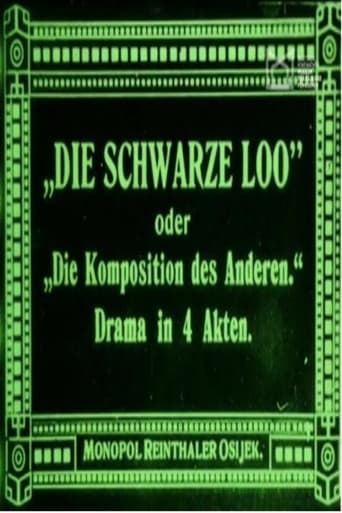
- Die schwarze Loo (1917)
- Early German silent melodramas associated with her stage fame
- Late silent-era European dramatic films from the 1920s
Collaborators
- Stage and film directors working in German-language theater and silent cinema
- Writers and intellectuals associated with Viennese and Berlin cabaret and drama
Studios
- German silent film production companies active in the 1910s and 1920s
- Austrian and Berlin stage and film circles
Family
- Egon Friedell (married; dates not reliably documented in available sources)
Notes
- Maria Orska was born Maria Mayer and adopted Orska as a stage name.
- She was associated with both the theatre world and silent cinema, making her a cross-medium star of her era.
- Her performance style was often described as intense and emotionally unsettling rather than light or decorative.
- She was connected to the literary and intellectual circles of Vienna and Berlin, not just mainstream entertainment.
- Her marriage to Egon Friedell linked her to one of the notable cultural figures of the period.
- She died relatively young, which helped turn her into a legendary and somewhat enigmatic figure in theater history.
- Her film presence is comparatively limited, so she is remembered as much for her persona and stage fame as for her surviving film credits.
- Die schwarze Loo is one of the key titles associated with her screen career.
- She is sometimes discussed in histories of silent-era acting as an example of psychologically driven performance.
- Much of her reputation survives through theater history and biographical references rather than a large body of extant films.
Questions
Who was Maria Orska?
Maria Orska was an Austrian silent-era actress and stage star known for intense dramatic performances. She became especially admired in German-language theater and later appeared in early silent films, including Die schwarze Loo (1917).
What films is Maria Orska best known for?
She is most closely associated with Die schwarze Loo (1917), the title specifically connected to her screen career. Her filmography is relatively limited compared with her stage reputation, so she is remembered more as a dramatic personality than as a prolific film star.
When was Maria Orska born and when did she die?
Maria Orska was born on March 19, 1893, in Berdychiv in the Russian Empire. She died on May 30, 1930, at the age of 37.
What awards did Maria Orska win?
No major film awards are documented for Maria Orska in the available historical record. Her recognition came primarily through critical acclaim, theatrical fame, and her reputation as a compelling performer in the German-speaking stage and silent film world.
What was Maria Orska's acting style?
Maria Orska was known for a highly expressive, psychologically intense style. She specialized in emotionally complex, often tragic women and used restrained but forceful silent-film expression to convey inner conflict and passion.
What was Maria Orska's legacy in film history?
Her legacy is that of a distinctive early twentieth-century dramatic star who bridged theater and silent cinema. She remains important as part of the cultural history of Vienna and Berlin and as an example of how stage performers shaped silent-era screen acting.
What was Maria Orska's real name?
Her birth name was Maria Mayer. She used Maria Orska as her professional stage and screen name.