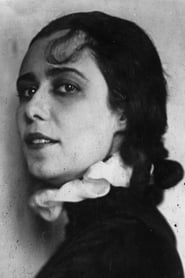
Die schwarze Loo
Plot
Die schwarze Loo follows a homeless gypsy dancer known as Loo, whose livelihood depends on performing in cheap barracks and modest entertainment venues. Her performances are noticed and carefully documented by a young composer of genuine talent but little success, who recognizes something artistic and enduring in her expressive dance. Before his death, he entrusts her with his unpublished composition, effectively passing to her his creative legacy and a chance at a more dignified artistic future. Loo later becomes the wife of an orchestra leader, who completes the unfinished work and attempts to claim the glory for himself, creating a conflict over authorship, recognition, and artistic theft.
Director
Max MackAbout the Production
The film was made during the late silent era of German cinema, when studios were producing prestige melodramas and socially inflected stories for domestic release. Surviving documentation on the production is limited, and detailed information about set construction, interior locations, or shooting schedule does not appear to be readily available in standard reference sources. The film is notable primarily for its association with director Max Mack and for its cast, which included major stage and screen figures such as Maria Orska, Bruno Kastner, and Theodor Loos. Like many German features of the period, it was likely shot largely in studio conditions with stylized interiors, though specific verified location data is not currently available.
Historical Background
Die schwarze Loo was made in 1917, in the middle of World War I, when German film production was operating under the pressures of wartime censorship, material shortages, and shifting public tastes. This was a formative period for the German cinema industry, which was moving toward greater industrial organization and international ambition even before the founding of UFA in 1917. Films from this era often blended melodrama, psychological conflict, and socially marked characters, reflecting both escapist needs and the artistic ambitions of the country’s studios and theater-trained performers. The film also emerges from a period when silent cinema was developing increasingly complex narratives about class, gender, authorship, and artistic legitimacy.
Why This Film Matters
Although Die schwarze Loo is not widely cited as a canonical masterpiece, it is culturally significant as a surviving point of reference for early German feature production and for the career of Max Mack. Its story of a marginalized performer whose artistic value is recognized and then exploited speaks to recurring concerns in European cinema about labor, creativity, and social status. The film also reflects early 20th-century fascination with stage life, musical authorship, and the figure of the exoticized female performer, themes that would continue to appear in later German and international melodrama. For film historians, it is valuable as part of the broader fabric of pre-Weimar German cinema, which laid important groundwork for the visual sophistication and dramatic intensity associated with later German film.
Making Of
Very little detailed behind-the-scenes documentation survives for Die schwarze Loo, which is common for many German silent films from the 1910s. What can be established is that it was directed by Max Mack, a filmmaker known for working efficiently within the rapidly expanding pre-UFA German production system, and that the cast brought together notable screen and stage talent. Maria Orska in particular was already a celebrated dramatic actress, and films featuring her often relied on her expressive presence and theatrical intensity. The film's narrative about a gifted but unsuccessful composer and an opportunistic orchestra leader suggests a production shaped around performance, musical culture, and melodramatic conflict, though no verified reports of on-set anecdotes or technical difficulties are widely documented.
Visual Style
Verified shot-by-shot cinematographic analysis is not readily available, but as a 1917 German silent film, Die schwarze Loo would have relied on expressive framing, intertitles, and performance-driven visual storytelling. Films of this period frequently emphasized studio lighting, staged interiors, and careful composition to highlight gesture and emotional exchange, especially in melodramas built around performers and musicians. The subject matter suggests that dance, stage performance, and the act of musical creation may have been visually foregrounded through composed tableaux and attention to expressive movement. Any surviving prints or stills would be essential for a more precise assessment of its visual style.
Innovations
No specific technical innovation is widely associated with Die schwarze Loo in the available reference material. Its significance lies more in its participation in the developing conventions of German silent melodrama than in any documented breakthrough in editing, camera movement, or special effects. Thematically, the film's integration of dance, authorship, and staged performance may have required careful coordination of acting and mise-en-scène, but no verifiable record of a formal technical first is currently known. Any technical interest in the film today would primarily be archival and historical rather than innovation-centered.
Music
As a silent film, Die schwarze Loo did not have an original synchronized recorded soundtrack. Like most films of the period, it would have been accompanied in theaters by live music, typically a pianist, small ensemble, or orchestra depending on venue size and local practice. Because the plot centers on a composer and an orchestra leader, musical accompaniment would have been especially important in shaping audience experience, even though no standardized original score is currently documented in widely accessible sources. Specific cue sheets or compiled scores, if they existed, are not commonly cited in current references.
Famous Quotes
As a silent film, no widely documented spoken quotes are known to survive.
No verified intertitle text is currently available in standard reference sources.
Memorable Scenes
- The gypsy dancer performing in cheap barracks, where her talent is first made visible through the gaze of the young composer.
- The moment the dying composer entrusts her with his unpublished composition, turning the plot into a drama of artistic inheritance.
- The later revelation that the orchestra leader has completed the work and seeks sole credit, introducing the central conflict over authorship and betrayal.
Did You Know?
- The film was directed by Max Mack, one of the important German filmmakers active in the silent era before and during World War I.
- Maria Orska, one of the principal performers, was a major theatrical celebrity of the period, and her presence would have been a significant draw for contemporary audiences.
- The plot centers on authorship and artistic appropriation, a subject that resonates strongly with the anxieties of early 20th-century intellectual and performance culture.
- The title character is described as a gypsy dancer, reflecting the era's often romanticized and stereotyped portrayal of Romani identity in European cinema.
- The story involves a lost or unfinished musical composition, making music and creative ownership central dramatic concerns even though the film itself was silent.
- The film is associated with Deutsche Bioscop, a company that was part of the formative landscape of German feature production before the consolidation of the UFA era.
- Because it is an early silent film from 1917, detailed production records, publicity material, and reception evidence are comparatively sparse.
- The surviving plot description suggests a melodramatic structure common to German films of the period, combining romance, class hardship, and artistic rivalry.
What Critics Said
Contemporary critical commentary on Die schwarze Loo is not widely preserved in easily accessible modern reference sources, so a full reconstruction of its immediate reception is difficult. As with many films of its era, responses would likely have depended heavily on the appeal of its performers, the emotional clarity of its melodramatic plot, and the reputation of the director. In modern scholarship, the film is generally of interest less for a surviving critical canon than for its historical position, cast, and representation of themes common to German silent melodrama. Because the film is not widely circulated today, current criticism is limited and often based on archival catalog descriptions rather than extensive reappraisal.
What Audiences Thought
Specific audience-response data such as ticket sales, letters, or detailed exhibition records are not currently well documented in accessible sources. Given the presence of popular actors and a melodramatic story involving romance, sacrifice, and artistic betrayal, it likely appealed to contemporary urban audiences accustomed to emotional silent-era narratives. The film's title character and theatrical setting suggest a production designed to attract viewers through a combination of exoticized atmosphere and human conflict. Any broader audience legacy today is mostly retrospective, coming from archival interest rather than ongoing popular circulation.
Film Connections
Influenced By
- Stage melodrama traditions of the late 19th and early 20th centuries
- European music-theater narratives centered on composers and performers
- Early German silent cinema melodramas
- Contemporary fascination with bohemian and exoticized performer characters
This Film Influenced
- Direct influence is difficult to verify due to limited surviving documentation, but its themes anticipate later films about artistic theft, backstage rivalry, and exploited performers
- Early German melodramas with women performers and music-world settings may have followed similar narrative patterns
You Might Also Like
Film Restoration
Preservation status is uncertain in widely accessible sources; the film appears to be rare and may not survive in complete, easily available form. It is not commonly seen in circulation, suggesting that if a print survives, it is likely held in an archive rather than in active public distribution.