Films
2 films
About Fritz Achterberg
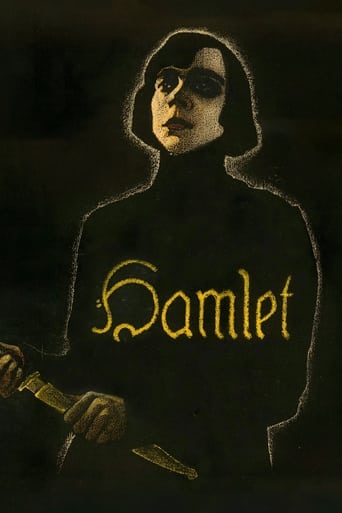
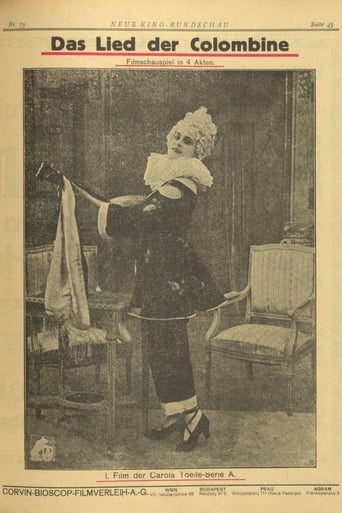
German silent film actor who emerged during the final years of World War I and the early Weimar Republic period. His career, though brief, coincided with the golden age of German expressionist cinema, a time when German film was making significant artistic contributions to world cinema. Achterberg appeared in notable productions including 'Das Lied der Colombine' (1918), which was released during the tumultuous final months of World War I, and the 1921 German adaptation of Shakespeare's 'Hamlet.' His filmography, though limited, demonstrates his participation in the vibrant German film industry of the early 1920s, a period that saw the emergence of many influential directors and actors. Like many character actors of the silent era, Achterberg's career appears to have been concentrated primarily in the early 1920s, after which he either retired from acting or transitioned to other pursuits outside the film industry.
The Craft
On Screen
As a silent film actor of the German expressionist period, Fritz Achterberg likely employed the exaggerated gestures and dramatic facial expressions characteristic of the era. German silent film acting of this period emphasized emotional intensity and visual storytelling, with actors using their entire bodies to convey meaning without dialogue.
Milestones
- Appeared in 'Das Lied der Colombine' (1918)
- Starred in German adaptation of 'Hamlet' (1921)
- Active during German Expressionist cinema period
Best Known For
Iconic Roles
Must-See Films
Working Relationships
Studios
Why They Matter
Impact on Culture
Fritz Achterberg's contribution to cinema, while not widely documented, represents the work of the many character actors who formed the foundation of German silent film during its most creative period. His participation in films during 1918-1921 places him within the context of German cinema's artistic flowering, which would later influence filmmakers worldwide. The early 1920s was a period when German cinema was establishing its reputation for artistic innovation, and actors like Achterberg were part of this creative ecosystem.
Lasting Legacy
As a minor actor from the silent era, Fritz Achterberg's legacy exists primarily through his surviving film appearances, which serve as historical documents of German cinema during its formative years. His work in 'Hamlet' (1921) contributes to the rich history of Shakespeare adaptations in early cinema, while his appearance in 'Das Lied der Colombine' (1918) provides insight into German filmmaking during the final year of World War I.
Who They Inspired
While Fritz Achterberg was not a major star who would have directly influenced subsequent generations of actors, his work represents the craft of silent film acting during a crucial period in cinema history. The techniques and approaches developed by actors of his era would influence the transition to sound films and the evolution of screen acting styles.
Off Screen
Very little documented information is available about Fritz Achterberg's personal life, which was not uncommon for character actors of the silent era who were not major stars. Like many actors of his generation, he lived through the dramatic social and political changes in Germany from World War I through the Weimar Republic period.
Did You Know?
- Appeared in films during the German Expressionist period
- His film active years covered only four years (1918-1921)
- Participated in early German adaptation of Shakespeare's 'Hamlet'
- Active during the Weimar Republic's early years
- His career coincided with the golden age of German silent cinema
- Like many silent era actors, his work is primarily preserved through archival film prints
Frequently Asked Questions
Who was Fritz Achterberg?
German silent film with credits in this catalog. He was part of the German film industry during its artistic golden age.
What films is Fritz Achterberg best known for?
Titles linked here include Das Lied der Colombine (1918), Hamlet (1921).
When was Fritz Achterberg born and when did he die?
Born 1886; died 1962.
What was Fritz Achterberg's acting style?
As a silent film actor of the German expressionist period, Achterberg likely employed the dramatic gestures and intense facial expressions typical of the era, using physical performance to convey emotion without dialogue.
What was Fritz Achterberg's contribution to cinema?
While not a major star, Achterberg contributed to German cinema during its most creative period, participating in Shakespeare adaptations and other films that showcased the artistic innovation of early 1920s German filmmaking.