Ann Forrest
Actor
Born: December 16, 1895 in Denmark Died: October 25, 1985 Active: 1919-1925 Birth Name: Ann Kroman
Films
2 films
About Ann Forrest
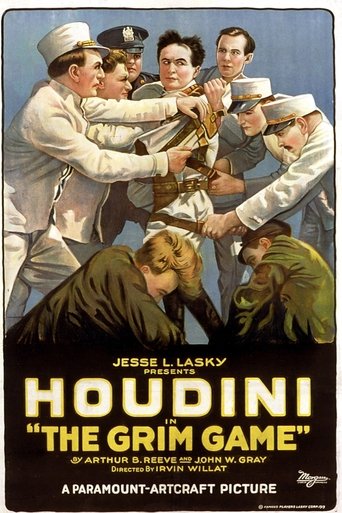
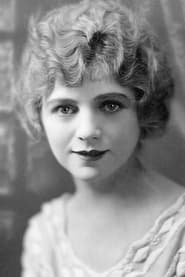
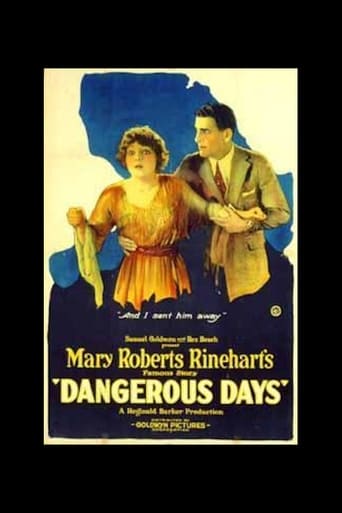
Ann Forrest, born Ann Kroman, was a Danish-American actress who rose to prominence during the silent film era. After immigrating to the United States, she began her film career in 1919 with a role in the Harry Houdini vehicle 'The Grim Game,' which helped establish her as a promising character actress. Her career flourished in the early 1920s with appearances in numerous silent films for various studios, including the drama 'Dangerous Days' (1920) and several comedies. Forrest married prominent silent film director James Kirkwood Sr. In 1923, which influenced her career trajectory and provided opportunities to work in more substantial roles. Ann appears in approximately 20 films between 1919 and 1925, often playing supporting roles that showcased her versatile acting abilities. As the transition to sound films began in the late 1920s, Forrest's career waned, and she made her final film appearance in 1925. After retiring from acting, she focused on her personal life and remained married to Kirkwood until his death in 1963. Forrest spent her later years in San Diego, California, where she passed away in 1985 at the age of 89.
The Craft
On Screen
Forrest was known for her naturalistic acting style that was ahead of its time in the silent era. She brought a subtle emotional depth to her performances, avoiding the exaggerated gestures common among many of her contemporaries. Her Danish heritage contributed to a distinctive screen presence that set her apart from typical Hollywood ingenues of the period.
Milestones
- Film debut in Harry Houdini's 'The Grim Game' (1919)
- Appeared in the drama 'Dangerous Days' (1920)
- Married director James Kirkwood Sr. (1923)
- Worked with major studios of the silent era
- Appeared in approximately 20 films during her career
Best Known For
Iconic Roles
Must-See Films
Accolades
Special Recognition
- Recognized as a notable silent era actress in film history archives
Working Relationships
Worked Often With
Studios
Why They Matter
Impact on Culture
Ann Forrest represents the many talented European actresses who contributed to American cinema during its formative years. As a Danish immigrant, she was part of the international influx of talent that helped establish Hollywood as the global center of film production. Her work in the silent era, particularly in films like 'The Grim Game' alongside Harry Houdini, helped define the visual storytelling techniques that would influence cinema for decades. Though not a major star, Forrest's career exemplifies the opportunities available to foreign-born actors in early Hollywood and the challenges they faced as the industry transitioned to sound.
Lasting Legacy
Ann Forrest's legacy lies in her contribution to the silent cinema. While she may not be remembered as a major star, her performances survive as examples of the transition from theatrical to naturalistic acting styles that occurred during the 1920s. Her marriage to James Kirkwood Sr. Connects her to an important Hollywood lineage, as her stepson James Kirkwood Jr. Would later achieve fame as the co-author of 'A Chorus Line.' Film historians and silent cinema enthusiasts continue to study her work as representative of the era's character actresses who provided essential support to the leading stars of the day.
Who They Inspired
Forrest's influence on cinema was primarily through her example of naturalistic acting in the silent era. Her restrained performance style contrasted with the more melodramatic approaches common at the time, helping pave the way for more subtle screen acting techniques that would become standard with the advent of sound. As a European actress working in Hollywood, she contributed to the internationalization of American cinema that characterized the early film industry.
Off Screen
Ann Forrest led a relatively private life outside of her film career. She married James Kirkwood Sr., a prominent figure in early Hollywood who worked as an actor, director, and screenwriter. Their marriage lasted from 1923 until Kirkwood's death in 1963, spanning four decades. The couple had no children together, though Kirkwood had a son, James Kirkwood Jr., from a previous marriage who would later become a successful playwright and author. After retiring from films, Forrest dedicated herself to supporting her husband's career and managing their household. She lived in California for the remainder of her life, eventually settling in San Diego where she spent her final years away from the Hollywood spotlight.
Education
Educational background not documented in historical records, likely received standard education in Denmark before immigrating to the United States
Family
- James Kirkwood Sr. (1923-1963)
Did You Know?
- Born in Denmark and immigrated to the United States before beginning her film career
- Sometimes credited as Ann Kroman Forrest in early films
- Appeared with escape artist Harry Houdini in 'The Grim Game' (1919)
- Her career coincided exactly with the transition from silent films to talkies
- Married to director James Kirkwood Sr. For 40 years until his death
- Stepmother to Pulitzer Prize-winning playwright James Kirkwood Jr.
- Retired from acting just as sound films were becoming dominant
- Lived to be 89 years old, outliving most of her silent film contemporaries
- Made approximately 20 films in just six years
- Spent her final years in San Diego, California, away from Hollywood
In Their Own Words
No documented famous quotes from Ann Forrest exist in historical records
Frequently Asked Questions
Who was Ann Forrest?
Screen credits include approximately 20 films, including 'The Grim Game' (1919) with Harry Houdini and 'Dangerous Days' (1920). Born Ann Kroman in Denmark, she immigrated to the United States and built a career as a character actress before marrying director James Kirkwood Sr. And retiring from films in 1925.
What films is Ann Forrest best known for?
Titles linked here include The Grim Game (1919), Dangerous Days (1920).
When was Ann Forrest born and when did she die?
Born December 16, 1895; died October 25, 1985.
What awards did Ann Forrest win?
There are no documented awards or nominations for Ann Forrest during her career. Like many character actresses of the silent era, her contributions were recognized through steady employment rather than formal accolades. Her legacy is preserved through the surviving films and historical documentation of silent cinema.
What was Ann Forrest's acting style?
Ann Forrest was known for her naturalistic acting style that was ahead of its time in the silent era. She brought subtle emotional depth to her performances, avoiding the exaggerated gestures common among many of her contemporaries. Her restrained approach helped pave the way for more nuanced screen acting that would become standard with the advent of sound films.
Was Ann Forrest related to James Kirkwood Jr.?
Ann Forrest was the stepmother of James Kirkwood Jr., the Pulitzer Prize-winning playwright who co-wrote 'A Chorus Line.' She married James Kirkwood Sr. In 1923, who was James Jr.'s father from a previous marriage. This family connection links Ann Forrest to one of Broadway's most celebrated theatrical achievements.
Why did Ann Forrest retire from acting?
Ann Forrest retired from acting in 1925, just as the film industry was transitioning from silent films to talkies. While the exact reasons for her retirement are not documented, it was common for many silent era actors, particularly those with accents or specialized skills for pantomime, to leave the industry during this period. Her marriage to director James Kirkwood Sr. Also likely provided financial security that made retirement feasible.