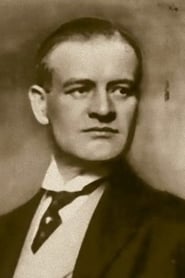
Albert Paulig
Actor
Born: January 14, 1877 in Berlin, Germany Died: February 13, 1933 Active: 1912-1932
Films
1 film
About Albert Paulig
Prolific German character actor: the golden age of German silent cinema and transitioned into early sound films. Born in Berlin in 1877, he began his film career in the early 1910s, quickly establishing himself as a reliable supporting actor in the burgeoning German film industry. Paulig worked extensively with directors including Ernst Lubitsch, Fritz Lang, and F.W. Murnau, appearing in over 100 films throughout his career. His most notable period was during the 1920s when German Expressionist cinema was at its peak, contributing to landmark films that would influence cinema worldwide. Paulig was particularly adept at portraying authority figures, businessmen, and comic relief characters, bringing depth and nuance to even minor roles. His career continued into the early sound era, with his final films released in 1932, shortly before his death in 1933 at the age of 56. Despite never achieving leading man status, Paulig's extensive filmography and collaborations with cinema's most innovative directors cement his place in film history as a significant character actor of the German silent era.
The Craft
On Screen
Paulig was known for his versatile character acting, employing subtle facial expressions and precise gestures that were perfectly suited for silent film. He had a particular talent for comedic timing while maintaining dignity in his portrayals of authority figures. His acting style was naturalistic yet expressive, allowing him to convey complex emotions without dialogue. Paulig's physical presence and distinctive features made him memorable even in small roles, and he could seamlessly transition between comedy and drama.
Milestones
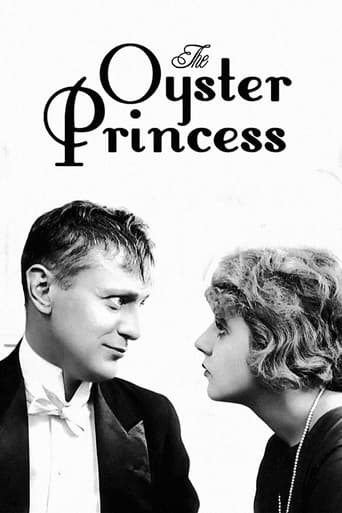
- Breakthrough role in Ernst Lubitsch's 'The Oyster Princess' (1919)
- Collaboration with F.W. Murnau on 'The Haunted Castle' (1921)
- Appearance in Fritz Lang's masterpiece 'Metropolis' (1927)
- Final major role in Fritz Lang's 'M' (1931)
- Transition from silent to sound films in German cinema
Best Known For
Iconic Roles
Must-See Films
Working Relationships
Worked Often With
Studios
Why They Matter
Impact on Culture
Albert Paulig contributed significantly to the German Expressionist film movement through his work with directors who would later influence Hollywood cinema. His performances in films like 'Metropolis' and 'M' helped establish visual and narrative techniques that would become foundational to modern cinema. Paulig's ability to adapt to different genres and directors' styles exemplified the versatility required of character actors in the studio system. His work during the Weimar Republic period represents the artistic freedom and innovation that characterized German cinema before the Nazi era, making his filmography an important historical record of this golden age.
Lasting Legacy
Albert Paulig's legacy lies in his extensive body of work that spans the most innovative period of German cinema. Though never a star, his consistent presence in films by cinema's greatest pioneers makes him an important figure in film history. His performances survive as examples of the sophisticated acting techniques developed during the silent era, particularly in German Expressionist cinema. Paulig's filmography serves as a valuable resource for understanding the evolution of film acting and the collaborative nature of early German cinema production.
Who They Inspired
While Albert Paulig was not a teacher or theorist, his work influenced subsequent generations of character actors through his technique and versatility. His ability to create memorable characters in supporting roles demonstrated the importance of ensemble casting in film. Collaborations with directors who later worked in Hollywood helped transmit German cinematic techniques to international audiences. Paulig's performances in films studied by film scholars continue to influence contemporary actors studying silent film techniques.
Off Screen
Albert Paulig was born and raised in Berlin, where he would spend his entire life and career. He was part of the vibrant German theatrical and film community during the Weimar Republic period. Paulig married and had a family, though specific details about his personal relationships remain scarce in historical records. His life coincided with.
Education
Educational background not well documented, likely received theatrical training in Berlin
Family
- Unknown (marriage details not well documented)
Did You Know?
- Appeared in over 100 films during his 20-year career
- Worked with three of the most influential German directors: Lubitsch, Lang, and Murnau
- Was part of the original cast of 'Metropolis,'
- His final film appearance was in Fritz Lang's first sound film 'M'
- Died in 1933, the same year the Nazis gained control of German cinema
- Often played authority figures despite his relatively short stature
- Was part of the ensemble cast that made UFA one of Europe's leading film studios
- His active years covered the entire golden age of German silent cinema
- Appeared in multiple films with actress Ossi Oswalda, a major star of German silent comedies
- Survived the transition from silent to sound films, unlike many of his contemporaries
In Their Own Words
As a silent film actor, Paulig's famous quotes would have been delivered through intertitles rather than spoken dialogue
No documented spoken quotes survive from his career, as he primarily worked in silent films
Frequently Asked Questions
Who was Albert Paulig?
Screen credits include over 100 films during the silent and early sound era. He worked with legendary directors like Ernst Lubitsch, Fritz Lang, and F.W. Murnau, contributing to some of the most important films in cinema history including 'Metropolis' and 'M'.
What films is Albert Paulig best known for?
Titles linked here include The Oyster Princess (1919), The Doll (1919).
When was Albert Paulig born and when did he die?
Born January 14, 1877; died February 13, 1933.
What awards did Albert Paulig win?
There are no documented awards or honors received by Albert Paulig during his lifetime. As a character actor in the early film industry, formal recognition through awards was less common than it became in later decades.
What was Albert Paulig's acting style?
Paulig was known for his versatile character acting style, employing subtle facial expressions and precise gestures perfect for silent film. He had excellent comedic timing while maintaining dignity in authority roles, and could seamlessly transition between comedy and drama. His naturalistic yet expressive style allowed him to convey complex emotions effectively without dialogue.