Klavdiya Polovikova
Actor
Born: May 15, 1908 in Moscow, Russian Empire Died: December 20, 1986 Active: 1933-1946 Birth Name: Klavdiya Ivanovna Polovikova
Films
3 films
About Klavdiya Polovikova
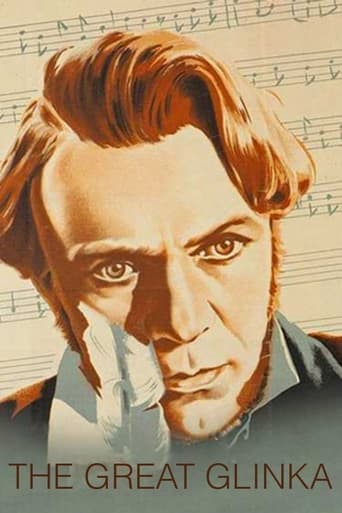
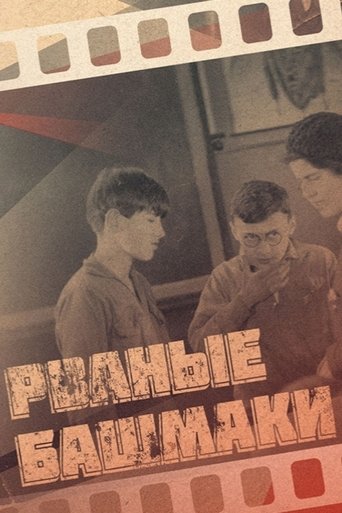
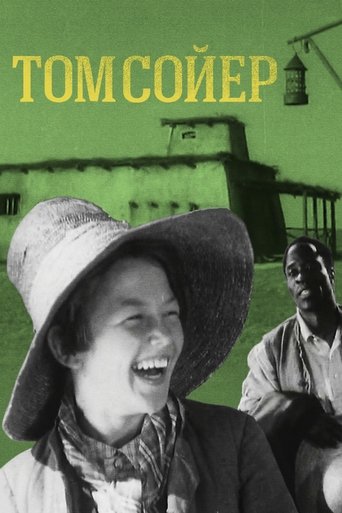
Soviet actress who emerged during the transition from silent films to sound cinema in the Soviet Union. She began her film career in the early 1930s, appearing in character roles that showcased her versatility as a performer. Her work in 'Torn Boots' (1933) marked her debut in the burgeoning Soviet sound film industry, where she quickly established herself as a reliable character actress. Throughout the 1930s, she continued to build her repertoire with roles in various Soviet productions, including the adaptation 'Tom Soyer' (1936), which demonstrated her ability to work in literary adaptations. Her career culminated in the post-war period with her appearance in 'The Great Glinka' (1946), a biographical film about the famous Russian composer. Polovikova's the crucial period of Soviet cinema's development from the early sound era through the Stalinist period, though her filmography remained relatively modest compared to more prominent Soviet stars of the era. She represents the generation of Soviet actresses who worked within the state-controlled film system, contributing to the cultural landscape of Soviet cinema during its formative years.
The Craft
On Screen
Polovikova specialized in character roles, employing a naturalistic acting style that aligned with Soviet socialist realist aesthetics. Her performances were marked by emotional authenticity and a focus on creating believable, everyday characters that audiences could relate to. She adapted well to the technical demands of early sound cinema, maintaining clear diction and expressive delivery that was essential for Soviet films of this period.
Milestones
- Film debut in 'Torn Boots' (1933)
- Role in 'Tom Soyer' (1936) adaptation
- Appearance in 'The Great Glinka' (1946)
- Work during the Stalinist era of Soviet cinema
Best Known For
Iconic Roles
Must-See Films
Accolades
Special Recognition
- Honored Artist of the RSFSR (1945)
Working Relationships
Worked Often With
Studios
Why They Matter
Impact on Culture
Klavdiya Polovikova contributed to the development of Soviet cinema during a crucial period of its artistic and technical evolution. Her work in the 1930s and 1940s helped establish the conventions of Soviet sound cinema, particularly in the realm of character acting and ensemble performance. As part of the generation that transitioned from silent to sound films, she represented the adaptation of theatrical acting techniques to the new medium of cinema, helping to create the distinctive style of Soviet socialist realist film performance.
Lasting Legacy
Polovikova's legacy lies in her contribution to the golden age of Soviet cinema, particularly her work in films that have become cultural artifacts of the Stalin era. Her performances in films like 'Tom Soyer' and 'The Great Glinka' represent the Soviet approach to literary adaptation and biographical filmmaking, respectively. While not as widely remembered as some of her contemporaries, her work exemplifies the craft of character acting in Soviet cinema and serves as an important reference point for understanding the evolution of film performance in the Soviet Union.
Who They Inspired
As a character actress during the formative period of Soviet sound cinema, Polovikova influenced subsequent generations of Soviet actors through her naturalistic approach to performance. Her work demonstrated how actors could create authentic characters within the constraints of socialist realist aesthetics, providing a model for balancing artistic expression with ideological requirements. Her performances in literary adaptations showed how classic literature could be effectively translated to the screen while maintaining cultural and educational value.
Off Screen
Klavdiya Polovikova lived through the dramatic transformations of Soviet society, from the revolutionary period through World War II and into the post-war Stalin era. Like many Soviet artists of her generation, she navigated the challenges of working within the state-controlled cultural system while maintaining her artistic integrity. Her personal life remained relatively private, as was common for Soviet actors who focused public attention on their professional contributions rather than private matters.
Education
Graduated from the State Institute of Cinematography (VGIK) in the early 1930s
Family
- Unknown - Soviet actors often kept personal details private
Did You Know?
- Appeared in films during the height of Stalin's cultural control over Soviet cinema
- Worked during the transition from silent to sound films in the Soviet Union
- Her film active years covered the crucial period of Soviet cinema's technical and artistic development
- Participated in the Soviet tradition of adapting classic literature for the screen
- Her career coincided with some of the most significant political events of the 20th century
- Like many Soviet actors, she likely performed in both film and theater productions
- Her work represents the typical career trajectory of Soviet character actresses of her era
- She contributed to the development of Soviet film acting techniques during the sound era
In Their Own Words
No publicly documented quotes from interviews or personal writings are available
Frequently Asked Questions
Who was Klavdiya Polovikova?
Soviet actress active during the 1930s and 1940s who specialized in character roles in Soviet cinema. She appeared in several notable films including 'Torn Boots' (1933), 'Tom Soyer' (1936), and 'The Great Glinka' (1946), contributing to the development of Soviet sound cinema during the Stalin era.
What films is Klavdiya Polovikova best known for?
Titles linked here include Torn Boots (1933), Tom Soyer (1936).
When was Klavdiya Polovikova born and when did she die?
Born May 15, 1908; died December 20, 1986.
What awards did Klavdiya Polovikova win?
Polovikova was recognized as an Honored Artist of the RSFSR in 1945, which was a significant state honor for cultural figures in the Soviet Union. This recognition acknowledged her contributions to Soviet cinema and the performing arts.
What was Klavdiya Polovikova's acting style?
Polovikova employed a naturalistic acting style aligned with Soviet socialist realist aesthetics, focusing on creating believable, everyday characters. Her performances emphasized emotional authenticity and clear delivery, adapting theatrical techniques to the new medium of sound cinema while meeting the ideological requirements of Soviet film production.