Films
1 film
About Chōemon Bandō
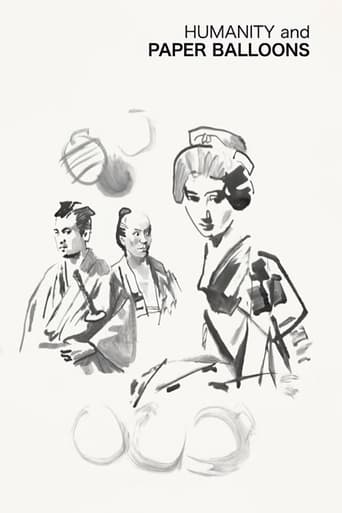
Japanese actor active during the late 1930s, known primarily for his role in the critically acclaimed 1937 film 'Humanity and Paper Balloons' (Ninjo Kami Fusen). This film, directed by the master filmmaker Sadao Yamanaka, was one of the last works completed before Yamanaka's tragic death during military service in World War II. Bandō's performance in this film represents his sole known screen credit, making him a mysterious figure in Japanese cinema history. The film itself was considered lost for decades before a print was rediscovered, further adding to the enigmatic nature of Bandō's brief film career. His contribution to this masterpiece of Japanese cinema, however brief, places him within the context of Japan's golden age of filmmaking during the 1930s. The limited documentation of his career suggests he may have been primarily a stage actor who made a rare foray into film, or perhaps his career was cut short by the circumstances of wartime Japan.
The Craft
Milestones
- Appeared in Sadao Yamanaka's masterpiece 'Humanity and Paper Balloons' (1937)
- Contributed to
Best Known For
Iconic Roles
Must-See Films
Working Relationships
Worked Often With
Why They Matter
Impact on Culture
Chōemon Bandō's cultural impact is intrinsically linked to his participation in 'Humanity and Paper Balloons,' a film now recognized as a masterpiece of Japanese cinema. The film itself has had a profound influence on subsequent generations of Japanese filmmakers, including masters like Akira Kurosawa, who greatly admired Yamanaka's work. Although Bandō's individual contribution may seem minor, his role in preserving this artistic achievement through his performance makes him part of cinema history. The film's themes of human dignity in the face of social injustice and its sophisticated narrative techniques were ahead of their time, and every actor involved, including Bandō, contributed to this groundbreaking work.
Lasting Legacy
The legacy of Chōemon Bandō is that of a mysterious figure from Japanese cinema's golden age, known only through his appearance in. While many leading actors from this era are well-documented, character actors like Bandō often remain shrouded in mystery, their contributions known only through the surviving films. His legacy serves as a reminder of the countless unsung artists who contributed to cinema's greatest achievements. The rediscovery and restoration of 'Humanity and Paper Balloons' has ensured that Bandō's work, however brief, continues to be appreciated by film scholars and enthusiasts worldwide.
Who They Inspired
Due to the limited documentation of Chōemon Bandō's career and the scarcity of information about his specific techniques or approaches, his direct influence on other actors cannot be definitively traced. However, as part of the ensemble cast of a film that influenced generations of Japanese filmmakers, his work indirectly contributed to the evolution of Japanese cinema. The naturalistic acting style that Yamanaka demanded from his actors in 'Humanity and Paper Balloons' was revolutionary for its time and influenced subsequent developments in Japanese film performance.
Off Screen
Very little is documented about the personal life of Chōemon Bandō, which is not uncommon for supporting actors from this era of Japanese cinema. The scarcity of records may be due to the destruction of documents during World War II or the limited media coverage of character actors during this period.
Did You Know?
- 'Humanity and Paper Balloons' was considered a lost film for decades before a print was discovered in the 1970s
- The film's director, Sadao Yamanaka, died at age 28 during military service, making this one of his final completed works
- The film was banned by Japanese military authorities for its supposedly depressing content
- Chōemon Bandō shares his surname with a famous line of kabuki actors, though any direct relation is unconfirmed
- The film's title refers to the fragility of human life, comparing it to paper balloons that float briefly before bursting
- 1937 was a significant year for Japanese cinema, with many masterpieces produced before wartime restrictions intensified
- The film was only 81 minutes long but packed with social commentary and emotional depth
- Very little documentation exists about many character actors from this period of Japanese cinema
Frequently Asked Questions
Who was Chōemon Bandō?
Japanese with credits in this catalog.' His career appears to have been very brief, with this being his only documented film credit, making him a somewhat mysterious figure in cinema history.
What films is Chōemon Bandō best known for?
Titles linked here include Humanity and Paper Balloons (1937).
When was Chōemon Bandō born and when did he die?
Specific birth and death dates for Chōemon Bandō are not documented in available historical records. This lack of personal information is not uncommon for character actors from this era of Japanese cinema, particularly those with brief film careers.
What awards did Chōemon Bandō win?
There are no recorded awards or nominations for Chōemon Bandō. The film he appeared in, 'Humanity and Paper Balloons,' has gained critical acclaim over time, but during its initial release, it faced censorship and was not widely recognized through formal awards.
What was Chōemon Bandō's acting style?
While specific details about Chōemon Bandō's acting style are not documented, he was part of a film known for its naturalistic performances that were ahead of their time. Director Sadao Yamanaka was known for extracting subtle, realistic performances from his actors, moving away from the theatrical style common in earlier Japanese cinema.