Films
1 film
About Tsuruzo Nakamura
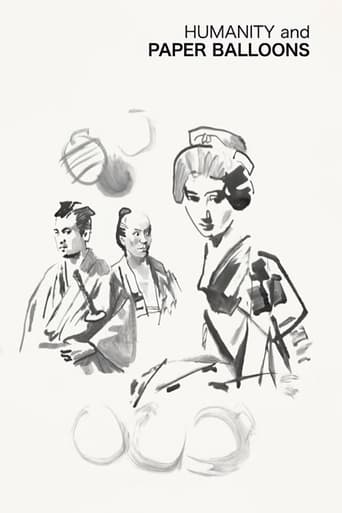
Japanese actor active during the late 1930s, primarily known for his role in the critically acclaimed 1937 film 'Humanity and Paper Balloons' directed by Sadao Yamanaka. This film stands as one of the last works by Yamanaka before his untimely death, and Nakamura's performance contributed to the film's reputation as a masterpiece of Japanese cinema. The film was part of the jidaigeki (period drama) genre that flourished in Japanese cinema during this era. Nakamura's career appears to have been brief, with 'Humanity and Paper Balloons' being his only documented film credit from this period. Like many supporting actors of the era, detailed records of his life and career are scarce, reflecting the limited documentation available for character actors in 1930s Japanese cinema.
The Craft
Milestones
- Appeared in 'Humanity and Paper Balloons' (1937), considered a masterpiece of Japanese cinema
Best Known For
Iconic Roles
Must-See Films
Working Relationships
Worked Often With
Why They Matter
Impact on Culture
Tsuruzo Nakamura's contribution to cinema, though limited to a single documented film, is part of the 1930s Japanese cinema. 'Humanity and Paper Balloons' is considered a masterpiece that influenced subsequent generations of Japanese filmmakers, and all cast members, including Nakamura, contributed to this legacy.
Lasting Legacy
While Nakamura's individual legacy is not extensively documented, his participation in 'Humanity and Paper Balloons' connects him to. The film itself has been preserved and studied by film scholars worldwide, ensuring that the work of all its cast members, including Nakamura, remains part of cinema's cultural heritage.
Who They Inspired
As a supporting actor from the 1930s Japanese film industry, specific influences on other performers are not documented. However, his participation in a film that influenced directors like Akira Kurosawa places him within the lineage of actors who contributed to the golden age of Japanese cinema.
Off Screen
Very little is documented about Tsuruzo Nakamura's personal life, which is common for supporting actors from 1930s Japanese cinema whose records were not extensively preserved.
Did You Know?
- 'Humanity and Paper Balloons' was director Sadao Yamanaka's final film before his death at age 28
- The film was considered lost for decades before being rediscovered
- The film's original Japanese title is 'Ningen-gyōrei to Fūsen'
- Yamanaka died in Manchuria during military service the same year the film was released
- The film is only 66 minutes long but is considered a masterpiece of the jidaigeki genre
- The film was banned by Japanese military censors for its critical view of social hierarchy
Frequently Asked Questions
Who was Tsuruzo Nakamura?
Japanese with credits in this catalog. His career appears to have been brief, with this being his only documented film credit.
What films is Tsuruzo Nakamura best known for?
Titles linked here include Humanity and Paper Balloons (1937).
When was Tsuruzo Nakamura born and when did he die?
Specific birth and death dates for Tsuruzo Nakamura are not documented in available historical records, which is common for supporting actors from 1930s Japanese cinema.
What awards did Tsuruzo Nakamura win?
There are no documented awards or nominations for Tsuruzo Nakamura, which reflects the limited recognition given to supporting actors during this period of Japanese cinema.
What was Tsuruzo Nakamura's acting style?
Specific details about Nakamura's acting style are not documented in available sources, though his participation in 'Humanity and Paper Balloons' suggests he worked within the naturalistic style that characterized the film's approach to period drama.