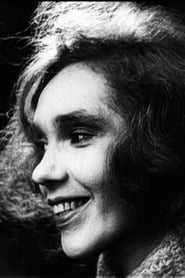
Alexandra Khokhlova
Actor & Director
Born: October 28, 1897 in Berlin, German Empire Died: August 22, 1985 Active: 1924-1943 Birth Name: Alexandra Sergeyevna Khokhlova
Films
6 films
About Alexandra Khokhlova
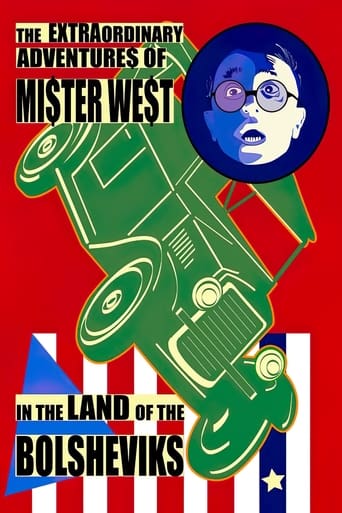
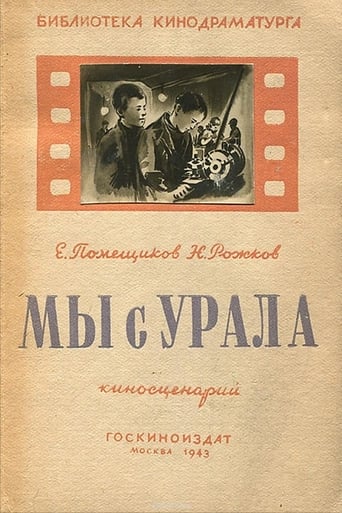
Soviet actress and director who in the development of early Soviet cinema during the 1920s and 1930s. She began her career as an actress in the experimental film collective led by her husband Lev Kuleshov, becoming recognizable faces of Soviet avant-garde cinema. Khokhlova's distinctive acting style, characterized by exaggerated expressions and dynamic movement, perfectly embodied the constructivist aesthetic of early Soviet film. She starred in several landmark silent films including 'The Extraordinary Adventures of Mr. West in the Land of the Bolsheviks' (1924), which became an international success and demonstrated Soviet filmmaking capabilities to the world. As she matured in the industry, Khokhlova transitioned into directing, making her directorial debut with 'We from the Urals' in 1943, a wartime propaganda film that showcased her evolving cinematic vision. Throughout her career, she remained closely associated with the Kuleshov workshop, contributing to the development of Soviet film theory and practice. Her work spanned the silent era through the early sound period, making her one of the few women to successfully navigate both acting and directing in Soviet cinema during this transformative period.
The Craft
On Screen
Khokhlova's acting style was distinctly constructivist and avant-garde, characterized by exaggerated facial expressions, sharp angular movements, and a mechanical precision that reflected the industrial aesthetic of early Soviet art. She employed what became known as the 'Kuleshov effect' in her performances, creating meaning through the juxtaposition of shots rather than naturalistic acting. Her style was deliberately non-psychological, instead focusing on external expression and physical dynamism that could convey ideological messages clearly to mass audiences. This approach made her particularly effective in propaganda films and experimental cinema, where clarity of expression was paramount.
Behind the Camera
As a director, Khokhlova maintained the experimental and ideological focus of her earlier acting work, employing dynamic montage sequences and strong visual compositions to convey socialist themes. Her directorial approach emphasized collective action and the heroic individual serving the greater good, reflecting Soviet socialist realist principles. She was particularly skilled at orchestrating large crowd scenes and creating powerful visual metaphors through careful editing and camera placement. Her work demonstrated a sophisticated understanding of film language, combining the experimental techniques of the silent era with the narrative requirements of sound cinema.
Milestones
- Starred in 'The Extraordinary Adventures of Mr. West in the Land of the Bolsheviks' (1924)
- Key member of the Kuleshov workshop and collective
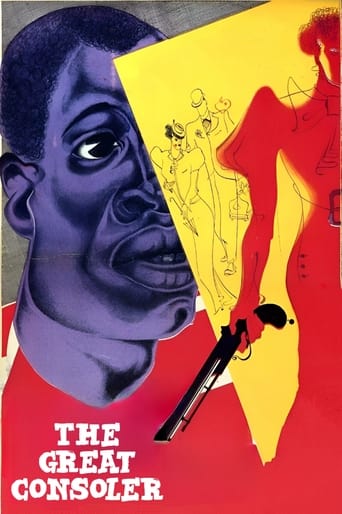
- Appeared in 'The Great Consoler' (1933)
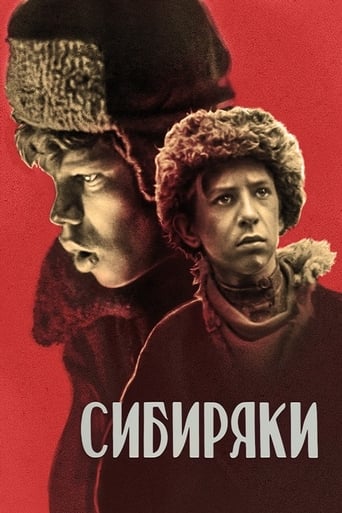
- Acted in 'Siberians' (1940)
- Made directorial debut with 'We from the Urals' (1943)
- Pioneered Soviet avant-garde acting techniques
- Contributed to early Soviet film theory development
Best Known For
Iconic Roles
Must-See Films
Accolades
Won
- Honored Artist of the RSFSR (1935)
- Order of the Red Banner of Labour (1944)
- Stalin Prize (1946)
Special Recognition
- People's Artist of the RSFSR (1980)
- Kuleshov Film Institute founding faculty member
- Pioneer of Soviet Cinema recognition
Working Relationships
Worked Often With
Studios
Why They Matter
Impact on Culture
Alexandra Khokhlova significantly influenced the development of Soviet cinema through her work in both acting and directing during the formative years of the Soviet film industry. As. Her distinctive acting style became emblematic of the constructivist aesthetic that defined Soviet avant-garde cinema in the 1920s. Through her work with the Kuleshov collective, she contributed to the development of fundamental film theory principles that would influence filmmakers worldwide. Her transition from actress to director during a period of increasing political constraints demonstrated remarkable adaptability and commitment to cinematic art.
Lasting Legacy
Khokhlova's legacy endures through her contributions to Soviet film theory and her role as a trailblazer for women in cinema. The films she created and appeared in continue to be studied by film scholars as important examples of early Soviet avant-garde cinema. Her work with Lev Kuleshov helped establish the foundation for montage theory, which would become. As an educator at VGIK, she influenced generations of Soviet filmmakers, passing on the experimental techniques and theoretical knowledge she helped develop. Her career shows the artistic possibilities that existed within the Soviet system, and her ability to navigate both the experimental and propaganda phases of Soviet cinema makes her a unique figure in film history.
Who They Inspired
Khokhlova influenced Soviet cinema through her innovative acting techniques that demonstrated the power of montage and visual expression. Her work with the Kuleshov workshop directly contributed to the development of Soviet montage theory, which would later influence filmmakers like Sergei Eisenstein and Vsevolod Pudovkin. As one of the few women to achieve prominence as both actress and director in early Soviet cinema, she paved the way for future generations of female filmmakers in the Soviet Union and beyond. Her teaching career at VGIK ensured that her knowledge and techniques were passed down to subsequent generations of Soviet filmmakers, extending her influence well beyond her own active period in the industry.
Off Screen
Alexandra Khokhlova was married to the influential Soviet film theorist and director Lev Kuleshov, with whom she collaborated extensively throughout her career. Their partnership was both personal and professional, with Khokhlova becoming the primary muse and leading actress for Kuleshov's theoretical experiments. The couple played a central role in the Soviet avant-garde film movement, their home serving as a gathering place for experimental filmmakers and theorists. Despite the political pressures of the Stalin era, they managed to maintain their artistic integrity and continue working within the Soviet system. Khokhlova outlived her husband by nearly three decades, dedicating her later years to teaching and preserving the legacy of early Soviet cinema.
Education
Studied at the State Film School (VGIK) under Lev Kuleshov, graduated in 1924
Family
- Lev Kuleshov (1923-1970)
Did You Know?
- Born in Berlin to Russian parents, giving her an international background unusual for Soviet filmmakers of her era
- Was the primary muse and leading actress for Lev Kuleshov's famous film experiments
- Her distinctive appearance with sharp features and intense expression made her ideal for constructivist cinema
- Participated in the famous 'Kuleshov effect' experiments that demonstrated the power of film editing
- Successfully transitioned from silent films to sound cinema, a feat many of her contemporaries could not achieve
- Was one of the few women to direct films in the Soviet Union during the 1940s
- Her marriage to Lev Kuleshov was both romantic and professional, lasting nearly 50 years until his death
- Continued teaching at VGIK well into her 70s, sharing her knowledge with new generations
- Survived the Stalinist purges that claimed many of her colleagues in the film industry
- Her films were often used as examples of Soviet cinematic achievement in international exhibitions
In Their Own Words
In cinema, the actor must become a machine, precise and purposeful in every movement and expression.
We are not creating art for art's sake, but building the new Soviet person through the power of the image.
The face of the revolutionary must be sharp, angular, and unyielding - like our new society.
Film is the hammer and sickle of artistic expression, shaping the consciousness of the masses.
To act in Soviet cinema is to serve the revolution with every gesture, every glance, every breath.
Frequently Asked Questions
Who was Alexandra Khokhlova?
Soviet actress and on YTB.my. She was best known for her work with the Kuleshov workshop and her distinctive avant-garde acting style that embodied the constructivist aesthetic of early Soviet film.
What films is Alexandra Khokhlova best known for?
Titles linked here include The Extraordinary Adventures of Mr. West in the Land of the Bolsheviks (1924), The Great Consoler (1933).
When was Alexandra Khokhlova born and when did she die?
Born October 28, 1897; died August 22, 1985.
What awards did Alexandra Khokhlova win?
She received several prestigious Soviet honors including Honored Artist of the RSFSR (1935), the Order of the Red Banner of Labour (1944), the Stalin Prize (1946), and was named People's Artist of the RSFSR in 1980.
What was Alexandra Khokhlova's acting/directing style?
Her acting style was constructivist and avant-garde, featuring exaggerated expressions and mechanical precision that reflected Soviet industrial aesthetics. As a director, she employed dynamic montage and strong visual compositions to convey socialist themes, combining experimental techniques with narrative requirements.
How was Alexandra Khokhlova related to Lev Kuleshov?
She was married to Lev Kuleshov, the influential Soviet film theorist and director, from 1923 until his death in 1970. Their partnership was both personal and professional, with Khokhlova serving as his primary muse and leading actress in his theoretical experiments.
What was Alexandra Khokhlova's role in Soviet cinema history?
She was a trailblazer as one of the few women to achieve prominence as both actress and director in early Soviet cinema. She contributed to the development of montage theory through her work with the Kuleshov workshop and helped establish the aesthetic language of Soviet avant-garde film.