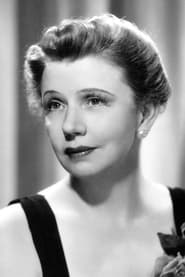
Cora Witherspoon
Actor
Born: January 17, 1890 in New York City, New York, USA Died: November 17, 1957 Active: 1932-1957
Films
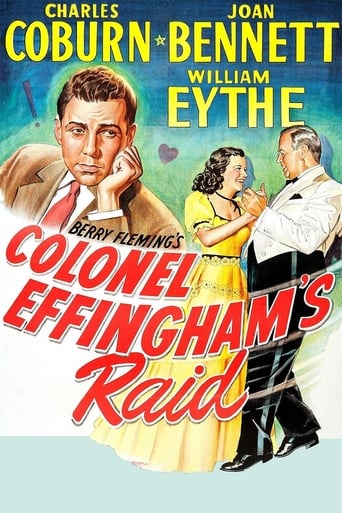
1 film
About Cora Witherspoon
Character actress: nearly three decades in Hollywood's Golden Age. Born into a prominent New York family, she began her acting career on Broadway before transitioning to films in the early 1930s. Witherspoon quickly established herself as a reliable supporting player, specializing in portraying society matrons, formidable aunts, and eccentric upper-class women with her distinctive, often formidable presence. Her career flourished throughout the 1930s and 1940s, where she appeared in over 50 films, working with some of Hollywood's biggest stars and most respected directors. Despite never achieving leading lady status, her memorable character performances made her an invaluable presence in numerous classic films. She continued working steadily until her death in 1957, leaving behind a legacy of memorable supporting roles that showcased her unique comedic timing and distinctive screen presence.
The Craft
On Screen
Witherspoon specialized in portraying formidable, often comically pretentious society women with a distinctive dry wit and haughty demeanor. Her acting style was characterized by precise diction, aristocratic bearing, and the ability to deliver cutting remarks with deadpan perfection. She excelled at playing wealthy matrons, meddling relatives, and snobbish socialites, often stealing scenes with minimal dialogue through her expressive facial expressions and impeccable timing. Her approach was subtle yet commanding, using her distinctive appearance and voice to create memorable characters that audiences both loved to hate and found endearing.
Milestones
- Broadway stage debut in 1918 before transitioning to film
- Film debut in 'The Greeks Had a Word for Them' (1932)
- Memorable role as Mrs. Potter in 'The Women' (1939)
- Notable appearance in 'The Philadelphia Story' (1940)
- Final film appearance in 'The Girl in the Red Velvet Swing' (1955)
Best Known For
Iconic Roles
Must-See Films
Working Relationships
Worked Often With
Studios
Why They Matter
Impact on Culture
Cora Witherspoon represented an archetype of the American upper-class woman during Hollywood's Golden Age, helping to shape how society matrons were portrayed in cinema. Her performances contributed to the sophisticated comedy genre, where her characters often served as both obstacles and comic relief in narratives about social climbing and class dynamics. Through her work, she helped establish the template for the formidable yet humorous society woman that would influence countless character actresses who followed. Her ability to balance haughtiness with humanity added depth to what could have been one-dimensional characters, elevating the art of supporting performance in ensemble casts.
Lasting Legacy
Cora Witherspoon's legacy endures through her memorable performances in some of Hollywood's most beloved classic films. While never a household name, film historians and classic cinema enthusiasts recognize her as. Her work continues to be studied for its precision and comedic timing, serving as a masterclass in supporting performance. Witherspoon's filmography provides a valuable window into American society's class structures and gender roles during the 1930s and 1940s, with her characters often embodying both the absurdities and the underlying humanity of the upper class.
Who They Inspired
Witherspoon influenced subsequent generations of character actresses, particularly those specializing in society roles and comedy. Her technique of using minimal dialogue and maximum expression became a model for supporting players in ensemble casts. Contemporary actresses who specialize in playing formidable matriarchs or society women owe a debt to Witherspoon's work in establishing these archetypes. Her ability to create fully realized characters in limited screen time set a standard for efficiency and impact in supporting performances that continues to be relevant today.
Off Screen
Cora Witherspoon was born into a wealthy New York family and maintained her social status throughout her life. She married businessman Robert W. Witherspoon in 1916, though the marriage ended in divorce. Despite her successful film career, she remained a private individual who rarely gave interviews or discussed her personal life publicly. She was known for her intelligence and wit off-screen, maintaining friendships with many of her co-stars and directors. Witherspoon never had children and dedicated herself fully to her craft.
Education
Educated in private schools in New York City, studied acting at the American Academy of Dramatic Arts
Family
- Robert W. Witherspoon (1916-1924)
Did You Know?
- She was a direct descendant of President James K. Polk through her mother's side of the family
- Before acting, she worked as a model for Vogue magazine
- She was one of the few actresses who successfully transitioned from Broadway to Hollywood without changing her distinctive appearance
- Witherspoon was known for never learning to drive, always relying on studio transportation or taxis
- She spoke fluent French and often helped translate for European co-stars
- Despite playing wealthy women on screen, she was known for her frugal personal habits
- She maintained a lifelong friendship with actress Joan Crawford after working together on multiple films
- Witherspoon — accomplished bridge player and often hosted games for fellow Hollywood professionals
- She never appeared in a silent film, beginning her career just as sound pictures were becoming standard
- Her distinctive voice made her a popular choice for radio adaptations of her films
In Their Own Words
"I don't play leading ladies, I play the women who make leading ladies necessary." - Cora Witherspoon on her career choices
"In society, a well-timed insult is more valuable than a poorly timed compliment." - Character line from 'The Women'
"The secret to playing a society woman is to remember that she's always performing, even when she's alone." - Acting advice she reportedly gave to younger performers
Frequently Asked Questions
Who was Cora Witherspoon?
American character actress active during Hollywood's Golden Age, known for portraying society matrons, formidable aunts, and upper-class women in over 50 films from the 1930s through the 1950s.
What films is Cora Witherspoon best known for?
Titles linked here include The Women (1939), The Philadelphia Story (1940).
When was Cora Witherspoon born and when did she die?
Born January 17, 1890; died November 17, 1957.
What awards did Cora Witherspoon win?
Despite her prolific career and memorable performances, Cora Witherspoon did not receive major industry awards, though she was highly respected by her peers and directors for her reliable and distinctive character work.
What was Cora Witherspoon's acting style?
Witherspoon specialized in playing haughty society women with dry wit and precise diction, using her distinctive appearance and deadpan delivery to create memorable characters who were both formidable and comically human.
Did Cora Witherspoon work on Broadway before films?
Yes, Cora Witherspoon began her career on Broadway, making her stage debut in 1918 and successfully transitioning to Hollywood films in 1932, bringing her theatrical training to her screen performances.
What was Cora Witherspoon's background before acting?
She came from a prominent New York family, was educated in private schools, studied at the American Academy of Dramatic Arts, and worked as a Vogue model before pursuing her acting career.