
Charles D. Brown
Actor
Born: August 7, 1887 in Council Bluffs, Iowa, USA Died: November 25, 1948 Active: 1929-1948 Birth Name: Charles Donald Brown
Films
1 film
About Charles D. Brown
Prolific American character actor: the transition from silent films to sound cinema during Hollywood's Golden Age. Born in Iowa in 1887, he began his film career in the late 1920s and quickly established himself as a reliable supporting player who appeared in over 200 films throughout his two-decade career. Brown specialized in portraying authority figures such as judges, military officers, doctors, and businessmen, bringing a sense of gravitas and authenticity to each role. He worked with virtually every major studio and collaborated with directors like Frank Capra, Michael Curtiz, and John Ford. His appearance, deep voice, and naturalistic acting style made him particularly effective in the sound era, where he became one of those familiar faces that audiences recognized even if they didn't know his name. Brown continued working steadily until his death in 1948, leaving behind an impressive body of work that exemplified the studio system's character actor tradition.
The Craft
On Screen
Charles D. Brown was known for his naturalistic and understated acting style, which made him particularly effective as an authority figure. He brought a sense of gravitas and authenticity to his roles, whether playing judges, military officers, or businessmen. His performances were marked by a calm, professional demeanor that lent credibility to his characters. Brown had the ability to convey authority without being overly dramatic, making him a perfect foil for leading actors who needed a strong but non-threatening presence in their scenes. His deep voice and dignified bearing made him especially suited for the sound era, where his vocal presence added another dimension to his performances.
Milestones
- Appeared in over 200 films during 19-year career
- Successfully transitioned from silent to sound films
- Worked with all major Hollywood studios
- Became one of Hollywood's most recognizable character actors
- Appeared in multiple Academy Award Best Picture winners
Best Known For
Iconic Roles
Must-See Films
Working Relationships
Worked Often With
Studios
Why They Matter
Impact on Culture
Charles D. Brown represents the archetype of the Hollywood character actor who provided essential support to the star system during cinema's Golden Age. His consistent presence in hundreds of films helped create the authentic worlds that classic Hollywood films inhabited, bringing realism and credibility to every production. While never a leading man, Brown's contributions to cinema were significant in that he helped ground films in reality through his believable portrayals of everyday authority figures. His active years covered a crucial period in film history, from the early sound era through the height of the studio system, making him both a witness to and participant in Hollywood's most productive years. Brown exemplified how character actors formed the backbone of the studio system, providing the professional foundation upon which star vehicles were built.
Lasting Legacy
Charles D. Brown's legacy lies in his extensive filmography, which serves as a valuable record of Hollywood's Golden Age and the studio system at its peak. His performances, while often brief, contributed to the overall quality and authenticity of countless classic films that continue to be celebrated today. Brown exemplified the professional character actor who could be counted on to deliver solid performances regardless of the film's quality or his role's size. Film historians and classic movie enthusiasts recognize him as part of the essential fabric of classic Hollywood, one of those familiar faces that made the studio system work and whose work continues to be discovered by new generations of film lovers.
Who They Inspired
As a character actor, Brown's influence was more in his example of professional reliability than in training specific successors. He demonstrated how a character actor could build a substantial career by being dependable, versatile, and consistently good, regardless of the size of the role. His approach to supporting roles influenced generations of character actors who followed, showing that a successful career in Hollywood didn't require stardom, just professionalism and craft. Brown's career serves as a model for aspiring character actors, demonstrating how to build longevity in the film industry through reliability and versatility rather than seeking the spotlight.
Off Screen
Charles D. Brown was married to actress Lillian Elliott from 1927 until her death in 1946. He was known as a reliable professional in Hollywood who maintained a steady career through the studio system era. After his wife's death, Brown continued working in films until his own death in 1948 from a heart attack at the age of 61. He was buried at Valhalla Memorial Park Cemetery in North Hollywood, California.
Family
- Lillian Elliott (1927-1946)
Did You Know?
- Appeared in over 200 films during his 19-year career
- Was a stage actor before entering films
- Often played uncredited roles despite his extensive experience
- Worked with virtually every major star of his era
- Appeared in both 'Mr. Smith Goes to Washington' and 'The Maltese Falcon' in the same year (1939)
- Was married to actress Lillian Elliott for nearly 20 years
- Died just two years after his wife's death
- Was
- Appeared in several films that won Best Picture Oscars
- Often played judges and other legal professionals throughout his career
Frequently Asked Questions
Who was Charles D. Brown?
Screen credits include over 200 films during Hollywood's Golden Age. He specialized in playing authority figures such as judges, military officers, and businessmen, becoming.
What films is Charles D. Brown best known for?
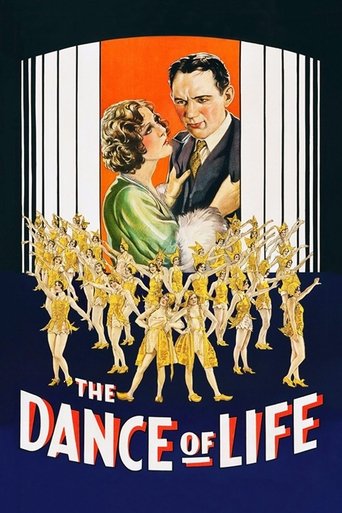
Titles linked here include The Dance of Life (1929), Mr. Smith Goes to Washington (1939).
When was Charles D. Brown born and when did he die?
Born August 7, 1887; died November 25, 1948.
What awards did Charles D. Brown win?
Charles D. Brown did not receive major awards or nominations during his career, which was common for character actors of his era. His recognition came through the sheer volume and quality of his work rather than formal accolades.
What was Charles D. Brown's acting style?
Brown was known for his naturalistic and understated acting style, bringing gravitas and authenticity to his roles as authority figures. His deep voice and dignified bearing made him particularly effective in the sound era, where he conveyed authority without being overly dramatic.