Films
2 films
About Tatyana Okova
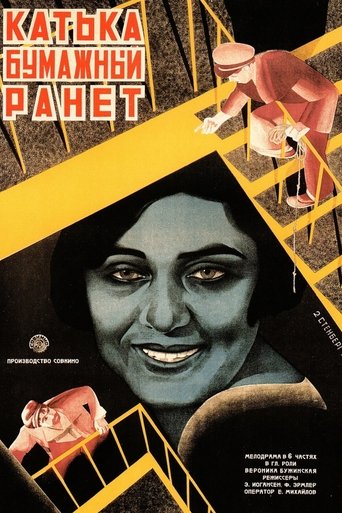
Soviet actress who emerged during the vibrant period of Soviet silent cinema in the mid-1920s. Her brief but notable from 1926 to 1928, during which she appeared in at least two significant Soviet films that showcased the experimental and artistic nature of early Soviet filmmaking. Okova worked during a transformative period in Russian cinema, following the revolutionary fervor that inspired many filmmakers to create socially conscious and artistically innovative works. Her performances in 'Katka's Reinette Apples' (1926) and 'House in the Snow-Drifts' (1928) demonstrated her ability to convey emotion and character through the physical acting techniques required by silent film. Like many actors of her era, Okova's career was likely impacted by the transition to sound films in the late 1920s and early 1930s, which dramatically changed the requirements for screen performers. Her work represents the contributions of countless actors who helped establish the foundation of Soviet cinema during its formative years, even if their names have become less known to modern audiences.
The Craft
On Screen
As a silent film actress, Okova would have employed exaggerated physical expressions and gestures typical of the era, using body language and facial expressions to convey emotions and narrative without dialogue. Her performances likely reflected the Soviet emphasis on realistic yet dramatic portrayals that served both artistic and ideological purposes.
Milestones
- Appeared in 'Katka's Reinette Apples' (1926)
- Starred in 'House in the Snow-Drifts' (1928)
- Participated in Soviet silent cinema during its artistic peak
Best Known For
Iconic Roles
Must-See Films
Working Relationships
Worked Often With
Studios
Why They Matter
Impact on Culture
Tatyana Okova represents the collective contribution of countless actors who helped establish Soviet cinema during its formative years. While individual details about her impact are scarce, her participation in films from 1926-1928 places her within the golden age of Soviet silent filmmaking, an era that produced groundbreaking works by directors like Eisenstein, Pudovkin, and Vertov. The films she appeared in contributed to the development of Soviet cinematic language and storytelling techniques that would influence cinema worldwide.
Lasting Legacy
Though largely forgotten by mainstream film history, Tatyana Okova's legacy exists as part of the foundation upon which Soviet cinema was built. Her work in the late 1920s represents the collaborative nature of early filmmaking, where every actor, regardless of their role's size, contributed to the artistic and social statements being made through cinema. The preservation of her films, if they still exist, shows the rich cultural output of this period.
Who They Inspired
Given the limited documentation of her career, it's difficult to trace specific influences that Tatyana Okova may have had on other performers. However, as part of the Soviet film community during its creative peak, she would have been exposed to and potentially influenced by the revolutionary acting theories and practices being developed in conjunction with the new cinematic art form.
Off Screen
Very little is documented about Tatyana Okova's personal life, which is common for many supporting actors from the early Soviet film era whose contributions were often overshadowed by directors and principal stars. Her brief film career suggests she may have been one of many actors who participated in cinema during its early development but did not achieve lasting fame.
Did You Know?
- Appeared during the height of Soviet silent cinema's artistic innovation
- Her film career lasted only two years, typical of many actors from the transitional period
- Worked during a time when Soviet cinema was internationally recognized for its artistic achievements
- The titles of her films suggest themes of rural life and social conditions common in Soviet cinema of the 1920s
- Her career coincided with the transition from silent to sound films, which ended many silent-era actors' careers
Frequently Asked Questions
Who was Tatyana Okova?
Soviet actress who worked during the silent film era of the mid-1920s, appearing in at least two films including 'Katka's Reinette Apples' (1926) and 'House in the Snow-Drifts' (1928).
What films is Tatyana Okova best known for?
Titles linked here include Katka's Reinette Apples (1926), House in the Snow-Drifts (1928).
When was Tatyana Okova active in film?
Tatyana Okova's known film active years covered from 1926 to 1928, placing her in the golden age of Soviet silent cinema.
What was unique about the era when Tatyana Okova worked?
The mid-to-late 1920s was a period of tremendous artistic innovation in Soviet cinema, when filmmakers were developing new cinematic techniques and creating internationally acclaimed works before the transition to sound films.
Why is so little known about Tatyana Okova?
Like many supporting actors from early Soviet cinema, detailed records about Tatyana Okova's life and career are scarce, as documentation often focused on directors and principal stars rather than ensemble cast members.