

Katka's Reinette Apples
"A young country girl who becomes an apple seller is seduced and abandoned"
Keys: Space play/pause · ←/→ 10s · F fullscreen · M mute · </> speed
About this film
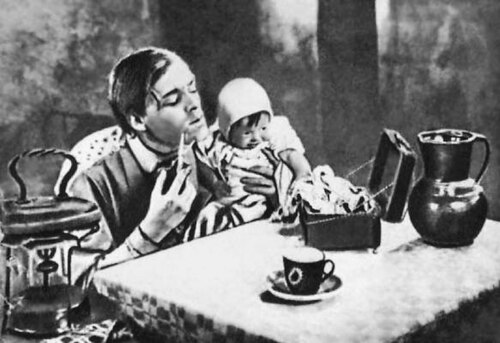
A young country girl who becomes an apple seller is seduced and abandoned. She finds a protector but when he is arrested for theft she finds honest work in a factory.
Cast & crew
More films like this


More Drama films
View all →







More from Fridrikh Ermler
View all →

More about this film
About the production
Release dateOctober 1926
Box officeNot documented - Soviet cinema of this era was state-funded and box office metrics were not systematically recorded
ProductionGoskino, Sevzapkino
Filmed inLeningrad (now St. Petersburg), Soviet Union
Filmed during the early years of Soviet cinema when filmmakers were experimenting with new narrative techniques. The production utilized real locations in Leningrad to capture the authentic atmosphere of post-revolutionary urban life. Director Fridrikh Ermler, who was still early in his career, brought a social realist approach that would become characteristic of his later work. The apple market scenes were shot with actual market vendors to achieve maximum authenticity.
Themes
Social mobility and class transformationWomen's independence in Soviet societyUrbanization and its social costsRedemption through honest laborExploitation of the vulnerable
Themes & topics
country girlapple sellerseductionabandonmenturban corruptionfactory workersocial transformationindependenceredemptionSoviet society
Historical background
Released in 1926 during the late silent period, Katka's Reinette Apples reached audiences when exhibitors were still defining programming conventions. The narrative hook—A young country girl who becomes an apple seller is seduced and abandoned—reflects what contemporary producers thought would draw viewers.
Why this film matters
Katka's Reinette Apples remains discussed by archivists tracing how screen stories of its period represented work, desire, conflict, and social order. Its central situation—A young country girl who becomes an apple seller is seduced and abandoned—still prompts questions about genre conventions and audience expectations.
Making of
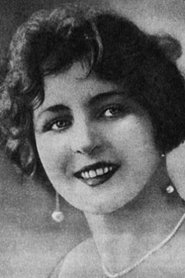
The production of 'Katka's Reinette Apples' took place during a transformative period in Soviet cinema. Director Fridrikh Ermler, who had previously worked as an actor before transitioning to directing, brought a unique perspective to the material. The film was shot on location in Leningrad during the summer of 1926, with the crew facing challenges from unpredictable weather and the difficulty of filming in crowded public spaces. Ermler insisted on using natural lighting whenever possible, which required careful scheduling of outdoor scenes. The casting of Veronika Buzhinskaya as Katka was controversial at the time, as she was considered too glamorous for the role of a simple country girl, but Ermler defended his choice, believing her star quality would help the film reach a wider audience. The production team included several young filmmakers who would later become prominent figures in Soviet cinema, making this film an important collaborative work in the development of Soviet film style.
What critics said
Trade and newspaper notices for Katka's Reinette Apples generally emphasized casting, spectacle, and program fit rather than extended aesthetic argument. Retrospective screenings and archival notes continue to shape how viewers evaluate Katka's Reinette Apples today.
Did you know?
- The film's original Russian title is 'Катенька-Ренетка' (Katenka-Renetka), with 'Renetka' referring to a specific variety of apple
- Director Fridrikh Ermler was only 26 years old when he made this film, yet it was already his third feature
- Veronika Buzhinskaya, who played Katka, became one of Soviet cinema's first major female stars
- The film was considered controversial at the time for its frank depiction of sexual exploitation and urban corruption
- Only one complete print of the film is known to survive, held in the Gosfilmofond archive in Russia
- The apple market scenes took over a week to film due to the difficulty of controlling the crowds of actual market-goers
- Ermler used non-professional actors for several minor roles to enhance the film's realism
- The factory scenes were filmed in an actual working textile factory in Leningrad
- The film was briefly banned in 1928 for being 'too pessimistic' about urban life before being re-approved with cuts
- International screenings were limited due to the film's specifically Soviet social themes
Awards & recognition
- No major awards documented - Soviet film awards were not systematically established until later years
Visual style
The cinematography, credited to Evgeni Mikhailov, employs techniques characteristic of Soviet cinema of the 1920s while maintaining a more restrained, documentary-like approach. The film uses extensive location shooting to capture the authentic atmosphere of Leningrad's streets, markets, and factories. Mikhailov employs natural lighting in many scenes, particularly the outdoor market sequences, creating a sense of realism that contrasts with the more stylized lighting used in interior scenes. The camera work includes dynamic angles during moments of crisis and static, composed shots for scenes of emotional reflection. The cinematography emphasizes the contrast between rural and urban environments through visual motifs and composition, using architectural elements to frame characters and emphasize their social position.
Innovations
The film demonstrates several technical innovations for its time, particularly in its use of location shooting and natural lighting. Ermler and his cinematographer developed techniques for filming in crowded public spaces without disrupting daily activities, using hidden cameras and long lenses. The factory sequences employed innovative camera placement to capture the scale of industrial production while maintaining focus on individual workers. The film also experimented with montage techniques, though in a more subtle way than the more famous Soviet directors of the period. The preservation of contrast in both interior and exterior scenes was particularly challenging with the film stock available in 1926, and the technical team developed new methods for processing footage shot under varying light conditions.
Music
As a silent film, 'Katka's Reinette Apples' would have been accompanied by live musical performance during its original theatrical run. The typical Soviet cinema of this era employed either a piano or small orchestra to provide musical accompaniment. While the original score has not survived, contemporary orchestral reconstructions have been created for modern screenings, typically using period-appropriate Russian classical and folk music. The musical selections would have emphasized the emotional tone of each scene, with pastoral themes for Katka's rural origins, dramatic motifs for moments of crisis, and triumphant music for her eventual redemption through factory work.
Famous quotes
An apple a day keeps the loneliness away - until the city takes more than it gives
In the factory, I found not just work, but myself
The streets of the city promise everything but give nothing unless you take it with your own hands
Memorable scenes
- The opening scene where Katka arrives at the bustling Leningrad market with her basket of reinette apples, her rural innocence contrasting sharply with the cynical urban environment
- The heartbreaking moment of seduction in a dimly lit apartment, where the camera focuses on Katka's face as she realizes she has been deceived
- The powerful factory sequence where Katka finds her place among the machines and workers, her face illuminated by the industrial light as she discovers her strength and independence
What audiences thought
The film was popular with Soviet audiences upon its release, particularly among urban workers who could relate to Katka's struggles and ultimate triumph through honest labor. The emotional story resonated with viewers who had experienced similar journeys from rural to urban life. Audience attendance records from major Soviet cities indicate strong turnout during the film's initial run, though exact numbers are not available. The film's themes of redemption through work aligned with Soviet ideological messages about the dignity of labor, making it acceptable to both audiences and authorities. Word-of-mouth recommendations helped sustain the film's theatrical run beyond the typical period for Soviet films of the era.
Film connections
Influenced by
- Works of Maxim Gorky (particularly his stories about the lower classes)
- German Expressionist cinema (for visual style)
- Earlier Soviet social dramas
- Contemporary Soviet literature about the 'new Soviet person'
This film influenced
- Later Soviet films about working women
- Social realist dramas of the 1930s
- Films addressing rural-urban migration in Soviet cinema
Film restoration
The film is partially preserved with one complete 35mm print held in the Gosfilmofond State Film Archive in Moscow. The surviving elements are in reasonable condition for a film of its age, though some deterioration is evident. A restoration project was completed in 2015, which stabilized the existing footage and improved image quality. Some scenes from the original release appear to be lost, particularly from the middle section of the film, but the narrative remains coherent with the surviving material.
Where to watch
- Available on specialized streaming platforms focusing on classic cinema
- Screenings at film archives and cinematheques specializing in Soviet cinema
- Included in some DVD collections of early Soviet films released by specialty distributors
- Occasionally broadcast on film channels dedicated to classic cinema