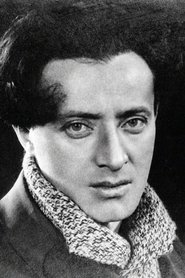
Fridrikh Ermler
Director
Born: May 13, 1898 in Rēzekne, Russian Empire (now Latvia) Died: July 12, 1967 Active: 1924-1965 Birth Name: Vladimir Markovich Breslav
Films
5 films

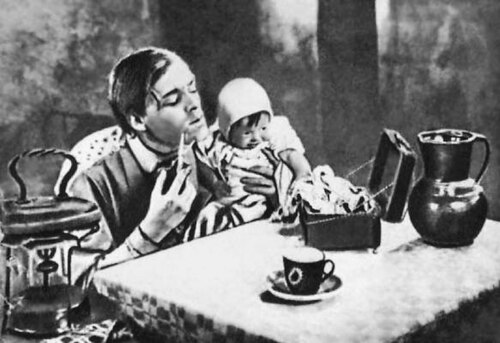
About Fridrikh Ermler
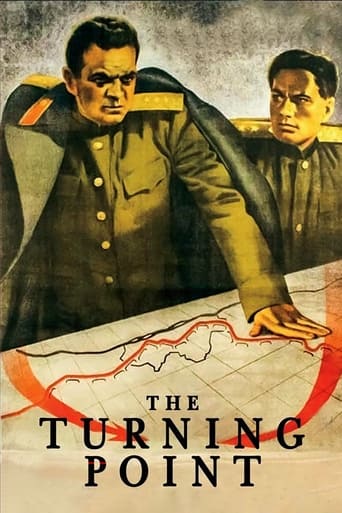
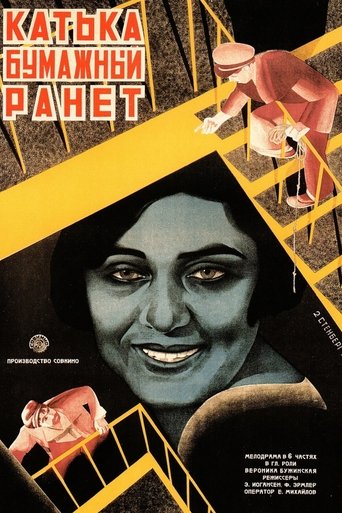
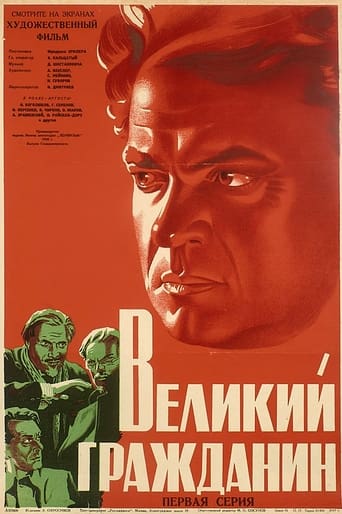
Fridrikh Markovich Ermler (born Vladimir Markovich Breslav) was a Soviet film director and screenwriter who emerged as figures in early Soviet cinema. He began his career in the revolutionary period, initially working as an actor and assistant director before making his directorial debut with 'Katka's Reinette Apples' in 1926. Ermler's work evolved from the experimental techniques of the silent era to the socialist realist style that dominated Soviet cinema in the 1930s and 1940s. His most acclaimed silent film, 'Fragment of an Empire' (1929), demonstrated his mastery of cinematic language and social commentary. During the Stalin era, he adapted to the demands of socialist realism, creating politically charged works like 'Great Citizen' (1938) and 'The Turning Point' (1945), which won the Stalin Prize. Ermler served as a professor at the Gerasimov Institute of Cinematography (VGIK), influencing generations of Soviet filmmakers. His the transformation of Soviet cinema from the avant-garde experimentation of the 1920s to the state-controlled propaganda of the 1940s, making him a crucial figure in understanding this transitional period.
The Craft
Behind the Camera
Ermler's directing style evolved significantly throughout his career, beginning with experimental techniques influenced by Soviet montage theory in his silent films, particularly evident in 'Fragment of an Empire' where he used innovative editing to convey psychological states. During the 1930s, he adapted to socialist realism, employing more conventional narrative structures while maintaining strong visual compositions and emotional storytelling. His films often focused on the transformation of ordinary people into revolutionary heroes, using close-ups and detailed character studies to humanize ideological messages. Ermler was particularly skilled at blending documentary elements with fictional narratives, creating a sense of authenticity in his politically charged works.
Milestones
- Directed 'Fragment of an Empire' (1929), a masterpiece of Soviet silent cinema
- Won Stalin Prize for 'The Turning Point' (1945)
- Served as professor at VGIK (Gerasimov Institute of Cinematography)
- Pioneered socialist realist filmmaking in the 1930s-1940s
- Created the influential 'Great Citizen' duology (1938-1939)
Best Known For
Must-See Films
Accolades
Won
- Stalin Prize (1946) for 'The Turning Point'
- Order of the Red Banner of Labour
- Order of the Badge of Honour
- People's Artist of the RSFSR (1948)
- Lenin Prize (1967, posthumously)
Nominated
- Cannes Film Festival Grand Prize (1946) for 'The Turning Point'
Special Recognition
- People's Artist of the RSFSR (1948)
- Professor at VGIK
- Honored Artist of the RSFSR (1935)
Working Relationships
Worked Often With
Studios
Why They Matter
Impact on Culture
Fridrikh Ermler played a crucial role in shaping Soviet cinema during its formative decades, bridging the gap between the experimental avant-garde of the 1920s and the state-sanctioned socialist realism of the Stalin era. His film 'Fragment of an Empire' is considered a masterpiece of late Soviet silent cinema, demonstrating how formal experimentation could serve revolutionary themes. Ermler's work helped establish the visual and narrative language of socialist realism, particularly through his epic 'Great Citizen' films which defined the heroic biopic genre in Soviet cinema. His influence extended beyond his own films through his teaching at VGIK, where he helped train several generations of Soviet directors. Ermler's ability to adapt to changing political demands while maintaining artistic quality made him a model for survival and success within the Soviet cultural system.
Lasting Legacy
Ermler's legacy is complex, reflecting both his artistic achievements and his accommodation to Soviet political demands. His silent films, particularly 'Fragment of an Empire,' remain classics of world cinema and are studied for their innovative techniques and powerful storytelling. The socialist realist works, while ideologically driven, demonstrate sophisticated filmmaking craft and continue to be important documents of Soviet cultural history. As an educator, Ermler influenced countless Soviet filmmakers, helping to maintain technical and artistic standards even during periods of political repression. His career trajectory from revolutionary experimentalist to establishment figure embodies the broader story of Soviet cinema itself, making him a key figure for understanding this period of film history.
Who They Inspired
Ermler influenced Soviet cinema through both his films and his teaching. His integration of documentary techniques with fictional narrative became a hallmark of Soviet filmmaking. His approach to creating heroic characters that were both ideologically correct and emotionally compelling influenced generations of Soviet directors. The visual language he developed for socialist realism, particularly his use of close-ups and detailed character studies, became standard practice in Soviet cinema. His students at VGIK carried forward his emphasis on technical excellence combined with ideological commitment, helping to maintain the quality of Soviet film production throughout the Cold War era.
Off Screen
Ermler was deeply involved in the revolutionary movement from a young age, participating in the Russian Civil War before turning to cinema. He changed his name from Vladimir Breslav to Fridrikh Ermler during this period, adopting a more revolutionary identity. His personal life was closely intertwined with the political upheavals of early Soviet history, and he navigated the dangerous waters of Stalinist cultural politics while maintaining his artistic integrity. Despite the pressures of the Soviet system, he managed to maintain a relatively stable career and was respected both as an artist and educator.
Education
Studied at the Leningrad Film School (now VGIK), graduated 1924; Military education during Civil War period
Family
- Nadezhda Ermler (married 1920s-1967)
Did You Know?
- Changed his name from Vladimir Breslav to Fridrikh Ermler during the revolutionary period
- Participated in the Russian Civil War before becoming a filmmaker
- His film 'Fragment of an Empire' was one of the last great Soviet silent films
- Served as a war correspondent during World War II
- was one of the first Soviet films to depict the Battle of Stalingrad
- Was briefly arrested during the Great Purge but was released and continued his career
- His films were often used as educational tools in Soviet schools and party organizations
- Maintained a friendship with composer Dmitri Shostakovich
- Was one of the few Soviet directors allowed to travel abroad for film festivals
- His final film 'Before the Court' (1965) dealt with legal ethics in Soviet society
In Their Own Words
Cinema must serve the people and the revolution, but it must first be art
The camera is not just a recording device, it is an instrument of truth
To make a film about the present, you must understand the past
Every frame must carry the weight of our socialist reality
The actor's face is the most important element in revolutionary cinema
Frequently Asked Questions
Who was Fridrikh Ermler?
Prominent Soviet on YTB.my. He was known for both his experimental silent films and his later socialist realist works, making him a key figure in Soviet cinema history.
What films is Fridrikh Ermler best known for?
Titles linked here include Fragment of an Empire (1929), Great Citizen (1938-1939).
When was Fridrikh Ermler born and when did he die?
Born May 13, 1898; died July 12, 1967.
What awards did Fridrikh Ermler win?
Ermler won the Stalin Prize in 1946 for 'The Turning Point,' received the Lenin Prize posthumously in 1967, and was honored as People's Artist of the RSFSR in 1948. He also received multiple state orders for his contributions to Soviet cinema.
What was Fridrikh Ermler's directing style?
Ermler's style evolved from experimental montage techniques in his silent films to the more conventional but emotionally powerful socialist realist approach in his later works. He was known for blending documentary realism with fictional narratives and creating psychologically complex characters within ideological frameworks.