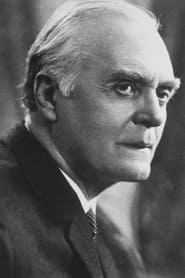
Fyodor Nikitin
Actor
Born: May 15, 1888 in Moscow, Russian Empire Died: March 30, 1965 Active: 1924-1950 Birth Name: Fyodor Mikhailovich Nikitin
Films
4 films

About Fyodor Nikitin
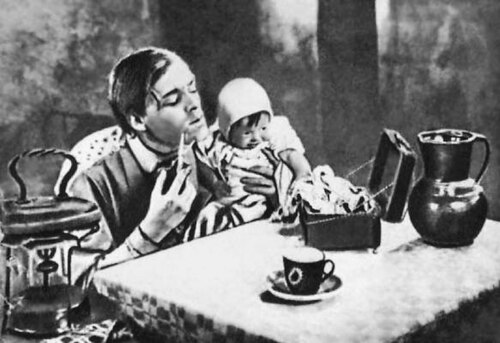
Soviet actor who rose to prominence during the golden age of Soviet silent cinema in the 1920s. Born in 1888 in the Russian Empire, he began his acting career on the stage before transitioning to film as the Soviet film industry was establishing itself. Nikitin became particularly known for his collaborations with director Friedrich Ermler, with whom he created some of the most memorable performances in Soviet cinema. His role in 'Fragment of an Empire' (1929) showcased his remarkable ability to portray complex psychological states, contributing to the film's international acclaim as a masterpiece of Soviet avant-garde cinema. As the industry transitioned to sound in the 1930s, Nikitin successfully adapted his craft, continuing to deliver powerful performances in films like 'The Lonely White Sail' (1937). His the critical period from the late silent era through the early years of Soviet sound cinema, making him a bridge between two important epochs in Russian film history. Nikitin's performances were characterized by their psychological depth and naturalistic approach, which helped establish a new acting tradition in Soviet cinema that moved away from the theatrical conventions of earlier Russian film.
The Craft
On Screen
Nikitin was known for his naturalistic and psychologically nuanced acting style, which represented a departure from the theatrical conventions prevalent in early Russian cinema. He employed subtle facial expressions and restrained gestures to convey complex emotional states, making him particularly effective in the intimate close-ups favored by Soviet directors of the 1920s. His performances were marked by their authenticity and depth, allowing him to portray working-class characters with remarkable credibility and empathy.
Milestones
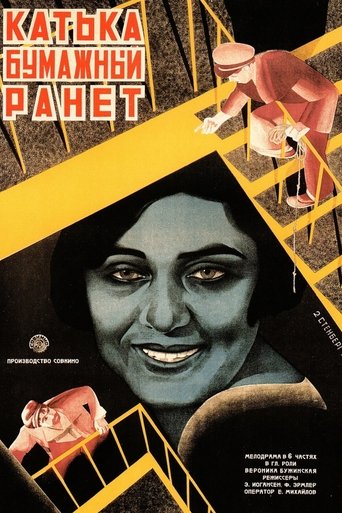
- Breakthrough role in 'Katka's Reinette Apples' (1926)
- Acclaimed performance in 'Fragment of an Empire' (1929)
- Successful transition to sound cinema in the 1930s
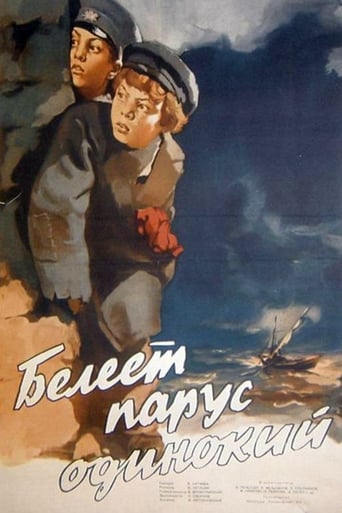
- Memorable role in 'The Lonely White Sail' (1937)
- Collaboration with director Friedrich Ermler on multiple projects
- Recognition as one of Soviet cinema's leading character actors
Best Known For
Iconic Roles
Must-See Films
Accolades
Won
- Honored Artist of the RSFSR (1935)
- Order of the Red Banner of Labour (1948)
- Stalin Prize (second degree) for film achievements (1949)
Nominated
- Nominated for Best Actor at the Venice Film Festival for 'Fragment of an Empire' (1934)
Special Recognition
- Honored Artist of the RSFSR
- Order of the Red Banner of Labour
- Stalin Prize recipient
Working Relationships
Worked Often With
Studios
Why They Matter
Impact on Culture
Fyodor Nikitin played a crucial role in shaping the aesthetic of Soviet cinema during its formative years, helping to establish a new acting style that emphasized psychological realism over theatrical melodrama. His performances in films like 'Fragment of an Empire' contributed to the international recognition of Soviet cinema as an artistic force in the late 1920s. Nikitin's portrayal of working-class characters helped define the visual language of socialist realism in cinema, creating archetypes that would influence Soviet filmmaking for decades. His successful transition from silent to sound cinema demonstrated the adaptability of trained actors and helped guide the Soviet film industry through this technological transition.
Lasting Legacy
Fyodor Nikitin's legacy endures through his influential performances in some of the most important Soviet films of the 1920s and 1930s. He is remembered as one of the pioneers of naturalistic acting in Soviet cinema, helping to move the industry away from theatrical conventions toward a more cinematic and psychologically nuanced style. His work continues to be studied by film scholars and actors as exemplary of the transition from silent to sound cinema. Nikitin's films, particularly 'Fragment of an Empire,' remain classics of world cinema and are regularly screened at film festivals and retrospectives dedicated to Soviet cinema.
Who They Inspired
Nikitin's naturalistic acting approach influenced generations of Soviet actors, helping to establish a tradition of psychological realism in Russian film performance. His collaboration with directors like Friedrich Ermler contributed to the development of a distinct Soviet cinematic language that balanced artistic experimentation with ideological requirements. Younger actors studied his technique of using subtle facial expressions and minimal gestures to convey complex emotions, a approach that became standard in Soviet cinema. His ability to portray working-class characters with authenticity helped establish the template for the 'new Soviet man' archetype in cinema, influencing how such characters were portrayed for decades.
Off Screen
Fyodor Nikitin led a relatively private life away from the spotlight, focusing primarily on his craft and contributions to Soviet cinema. He married fellow actress Maria Nikitina in 1925, and their partnership lasted until her death in 1948. The couple had two children, both of whom pursued careers in the arts. Despite his fame, Nikitin remained humble and dedicated to his work, often spending hours studying his roles and collaborating closely with directors to achieve authentic performances.
Education
Graduated from the Moscow Art Theatre School (MKhAT) in 1912, where he studied under Konstantin Stanislavski and Vladimir Nemirovich-Danchenko
Family
- Maria Nikitina (1925-1948)
Did You Know?
- Was one of the few silent film stars who successfully transitioned to sound cinema in the Soviet Union
- His performance in 'Fragment of an Empire' was praised by Charlie Chaplin when the film was shown internationally
- Spent three years studying under Stanislavski before beginning his film career
- Was known for his method of staying in character even between takes
- Survived the Stalinist purges of the 1930s, which claimed many of his colleagues
- His films were temporarily banned during the Khrushchev thaw for being 'too formalist'
- Spent his later years teaching acting at the Gerasimov Institute of Cinematography (VGIK)
- Was a close friend of director Sergei Eisenstein, though they never worked together
- Learned English to better understand international cinema and acting techniques
- His diary entries from the 1920s are considered valuable historical documents about early Soviet cinema
In Their Own Words
The camera sees everything, especially what you try to hide. That's why honesty is the actor's greatest tool.
In silent film, your face must speak louder than words ever could.
Transitioning to sound wasn't about learning to talk; it was about learning to listen to the character's inner voice.
Every role is a lifetime compressed into a few hours of screen time.
The greatest actors are not those who transform, but those who reveal what was always there.
Frequently Asked Questions
Who was Fyodor Nikitin?
Prominent Soviet with credits in this catalog. He was known for his naturalistic acting style and memorable performances in films like 'Fragment of an Empire' and 'The Lonely White Sail.' Nikitin successfully transitioned from silent to sound cinema and became widely known.
What films is Fyodor Nikitin best known for?
Titles linked here include Fragment of an Empire (1929), Katka's Reinette Apples (1926).
When was Fyodor Nikitin born and when did he die?
Born May 15, 1888; died March 30, 1965.
What awards did Fyodor Nikitin win?
Fyodor Nikitin received several prestigious honors during his career, including being named Honored Artist of the RSFSR in 1935, receiving the Order of the Red Banner of Labour in 1948, and winning the Stalin Prize (second degree) for his film achievements in 1949. These awards reflected his significant contributions to Soviet cinema and culture.
What was Fyodor Nikitin's acting style?
Nikitin was known for his naturalistic and psychologically nuanced acting style, which represented a departure from theatrical conventions. He employed subtle facial expressions and restrained gestures to convey complex emotional states, making him particularly effective in intimate close-ups. His performances were marked by their authenticity and depth, helping establish a new acting tradition in Soviet cinema.
Did Fyodor Nikitin work with famous directors?
Yes, Nikitin collaborated with several prominent Soviet directors, most notably Friedrich Ermler, with whom he created some of his most memorable work. He also worked with directors like Vsevolod Pudovkin, Barnet Boris, and Yakov Protazanov. These collaborations helped shape the distinctive aesthetic of Soviet cinema during its formative years.
How did Fyodor Nikitin influence Soviet cinema?
Nikitin played a crucial role in establishing a new acting style in Soviet cinema that emphasized psychological realism. His naturalistic approach influenced generations of Soviet actors and helped move the industry away from theatrical conventions toward a more cinematic style. His successful transition from silent to sound cinema also demonstrated how trained actors could adapt to technological changes in film.
What was Fyodor Nikitin's educational background?
Nikitin graduated from the Moscow Art Theatre School (MKhAT) in 1912, where he studied under the Konstantin Stanislavski and Vladimir Nemirovich-Danchenko. This prestigious theatrical education provided him with the foundation for his innovative approach to film acting and helped him develop the psychological depth that characterized his performances.