Films
1 film
About Veronika Buzhinskaya
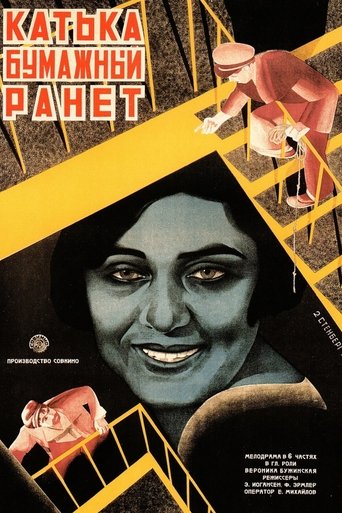
Soviet actress who emerged during the golden age of Soviet silent cinema in the 1920s. She is primarily remembered for her performance in the 1926 film 'Katka's Reinette Apples' (Каткина яблочная рента), directed by Fridrikh Ermler and Eduard Ioganson. This film was part of the avant-garde Soviet cinema movement that explored themes of class struggle and social transformation following the Russian Revolution. Buzhinskaya's career appears to have been concentrated in the mid-1920s, coinciding with the flourishing of Soviet silent film production. While detailed records of her complete filmography are limited, her work represents an important contribution to early Soviet cinematic art. Like many actors from this period, particularly those who were not major stars, comprehensive biographical information about her life and career remains scarce in historical records.
The Craft
Milestones
- Starred in 'Katka's Reinette Apples' (1926), a notable Soviet silent film
- Participated in the avant-garde Soviet cinema movement of the 1920s
- Contributed to early Soviet cinematic exploration of revolutionary themes
Best Known For
Iconic Roles
Must-See Films
Working Relationships
Worked Often With
Why They Matter
Impact on Culture
Veronika Buzhinskaya's contribution to Soviet cinema, while not extensively documented, represents part of the broader cultural movement that defined early Soviet filmmaking. Her work in 'Katka's Reinette Apples' contributed to the exploration of revolutionary themes and social transformation that characterized Soviet cinema of the 1920s. The film itself was part of a wave of Soviet productions that sought to use cinema as a tool for social education and political messaging, reflecting the ideological priorities of the new Soviet state. While her individual impact may be difficult to trace precisely, her participation in these films adds to our understanding of the collaborative nature of Soviet film production and the many actors who contributed to this important cinematic period.
Lasting Legacy
Veronika Buzhinskaya's legacy is preserved primarily through her role in 'Katka's Reinette Apples,' which remains an important example of Soviet silent cinema. While she may not be widely remembered today, her work contributes to the early Soviet film history. The film itself has been studied by film historians interested in the development of Soviet cinematic techniques and storytelling approaches during the silent era. Her performance, along with those of her contemporaries, helps document the artistic and cultural aspirations of Soviet cinema during its formative years, providing insight into how film was used as a medium for expressing revolutionary ideals and social change.
Who They Inspired
Due to limited documentation of her career and the brief nature of her documented work, specific information about Veronika Buzhinskaya's influence on other actors or filmmakers is not readily available. However, her participation in Soviet cinema during the 1920s places her within a generation of artists who contributed to the development of a distinctive Soviet film aesthetic. The collaborative nature of film production during this period meant that even actors with smaller roles contributed to the overall artistic vision and technical innovations that would influence later generations of Soviet and international filmmakers.
Off Screen
Detailed information about Veronika Buzhinskaya's personal life is not well-documented in available historical records, which is common for many actors from the early Soviet cinema period, especially those who were not major stars.
Did You Know?
- 'Katka's Reinette Apples' was directed by Fridrikh Ermler, who would become
- The film was produced during the height of the Soviet silent film era, which lasted approximately from 1918 to 1935
- Soviet cinema of the 1920s was known for its experimental techniques and revolutionary themes
- Many Soviet actors from this period had brief careers due to the transition to sound films and political changes
- The film's title 'Katka's Reinette Apples' refers to a type of apple and likely symbolizes themes of property and social change
- Early Soviet cinema often featured non-professional actors alongside trained performers
- The 1920s in Soviet Russia saw the emergence of major film studios like Goskino and Sovkino
Frequently Asked Questions
Who was Veronika Buzhinskaya?
Soviet actress from the silent film era, best known for her role in the 1926 film 'Katka's Reinette Apples.' She was active during the golden age of Soviet cinema in the 1920s, contributing to the avant-garde film movement that characterized this period.
What films is Veronika Buzhinskaya best known for?
Titles linked here include Katka's Reinette Apples (1926).
When was Veronika Buzhinskaya born and when did she die?
Specific birth and death dates for Veronika Buzhinskaya are not available in documented historical records, which is common for many actors from the early Soviet cinema period who were not major stars.
What awards did Veronika Buzhinskaya win?
There are no documented awards or nominations for Veronika Buzhinskaya in available historical records. This is not uncommon for actors from the early Soviet silent film era, particularly those with brief careers or minor roles.
What was Veronika Buzhinskaya's acting style?
While specific details about Veronika Buzhinskaya's acting style are not well-documented, Soviet silent film actors of the 1920s typically employed expressive physical acting techniques common to the silent era. The acting in Soviet films of this period often emphasized revolutionary themes and social transformation through dramatic gestures and facial expressions.