Viktor Plotnikov
Actor
Born: January 1, 1900 in Moscow, Russian SFSR, Soviet Union Active: 1926-1936
Films
3 films
About Viktor Plotnikov
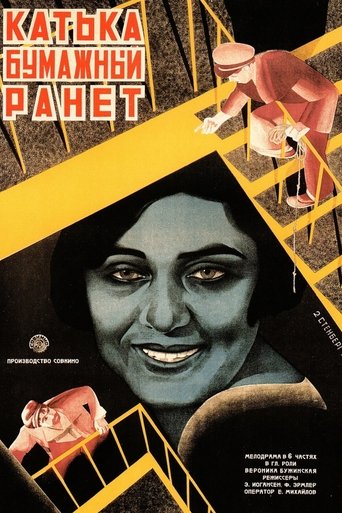
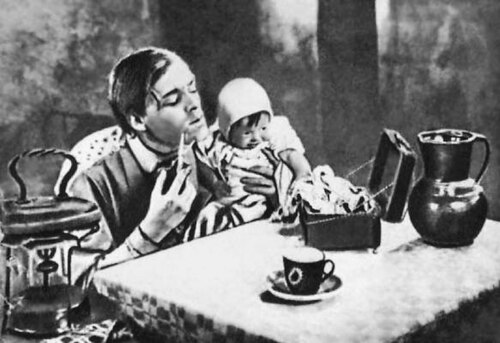
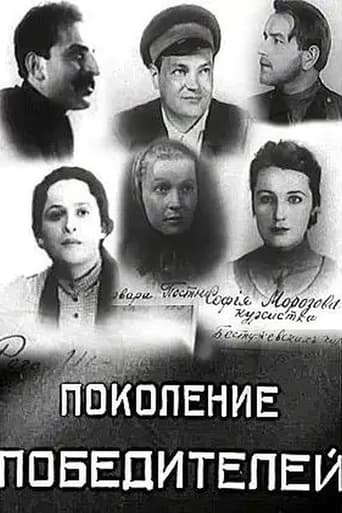
Soviet actor active during the pivotal transition from silent cinema to early sound films in the late 1920s and 1930s. His career, though relatively brief and concentrated within a single decade, is notable for its participation in significant Soviet film productions that reflected the artistic and ideological currents of the era. Plotnikov began his film career with a role in the 1926 silent film 'Katka's Reinette Apples,' a drama that showcased the emerging talent of Soviet filmmakers. He continued to build his filmography with roles such as in 'House in the Snow-Drifts' (1928), another silent production that demonstrated his versatility before the advent of sound. His final known film credit is in 'Generation of Victors' (1936), a sound film that aligns with the socialist realist aesthetic promoted by the Soviet state, marking the end of his documented acting career. Despite the limited number of films, Plotnikov's work provides a glimpse into the life of a working actor within the state-controlled film industry of his time.
The Craft
On Screen
As an actor in the Soviet system during the silent and early sound era, Viktor Plotnikov's style would have been influenced by the prevailing theatrical traditions and the emerging cinematic language of the time. Silent film acting often required more exaggerated physical expressions and gestures to convey emotion without dialogue, a style that was gradually tempered by the realism demanded by sound. His performance in 'Generation of Victors' would have adhered to the principles of Socialist Realism, focusing on creating positive, archetypal characters that embodied Soviet ideals.
Milestones
- Film debut in 'Katka's Reinette Apples' (1926)
- Role in the late silent era film 'House in the Snow-Drifts' (1928)
- Transition to sound film with 'Generation of Victors' (1936)
Best Known For
Must-See Films
Working Relationships
Studios
Why They Matter
Impact on Culture
Viktor Plotnikov's cultural impact is best understood as part of the collective effort of Soviet actors who helped shape the national cinema during its formative years. His work bridges two distinct technological and artistic periods: the expressive, experimental era of late silent film and the ideologically-driven era of early sound film under Socialist Realism. While not a major star, his contributions in films like 'Katka's Reinette Apples' and 'Generation of Victors' serve as valuable historical artifacts, illustrating the types of characters and narratives promoted by the Soviet state. His career trajectory, from silent film to sound, mirrors the broader evolution of Soviet cinema itself, making him a representative figure of his generation of actors.
Lasting Legacy
The legacy of Viktor Plotnikov is primarily that of a working actor whose career, while not widely celebrated, is integral to the fabric of Soviet film history. He represents the thousands of performers who were essential to creating the cinematic output of the USSR but whose individual stories have faded over time. His films, particularly those that have survived, continue to be studied by film historians interested in the transition from silent to sound cinema in the Soviet context and the implementation of Socialist Realist aesthetics. His name endures in filmographies and databases, proof of his participation in the cultural life of his era.
Who They Inspired
There is no documented evidence that Viktor Plotnikov directly mentored or significantly influenced other prominent actors or directors. His influence is more accurately described as being part of the broader cinematic environment that shaped the next generation of Soviet filmmakers and performers. The films he participated in, by their very nature as cultural products of their time, contributed to the visual and thematic vocabulary that subsequent artists would either adopt or react against.
Off Screen
Details about Viktor Plotnikov's personal life, including family, relationships, and activities outside of his film career, are not well-documented in available historical or cinematic records. Like many actors from this period in the Soviet Union, his life was likely focused on his work within the state-run film industry, and personal details were often not publicly recorded or preserved.
Education
Information regarding Viktor Plotnikov's formal education or any specific acting training has not been preserved in available sources. It is possible he received training at a state-sponsored theatrical institute or was part of a studio troupe, which was a common pathway for actors in the Soviet Union at the time.
Did You Know?
- Viktor Plotnikov's entire known film career spans only a decade, from 1926 to 1936.
- He worked during.
- His film 'Generation of Victors' (1936) is an example of the Socialist Realist style, which was mandated as the official art form of the USSR in 1934.
- The film 'Katka's Reinette Apples' (1926) was directed by Fridrikh Ermler and Eduard Ioganson, notable figures in early Soviet cinema.
- Despite his roles in three films, very little personal biographical information about Plotnikov has survived, a common fate for many supporting actors of the era.
- The exact nature of his roles in these films is not widely known, suggesting he may have played supporting or character parts rather than leading roles.
Frequently Asked Questions
Who was Viktor Plotnikov?
Soviet with credits in this catalog.
What films is Viktor Plotnikov best known for?
Titles linked here include Katka's Reinette Apples (1926), House in the Snow-Drifts (1928).
When was Viktor Plotnikov born and when did he die?
Born January 1, 1900; died death date not listed.
What awards did Viktor Plotnikov win?
There are no records of Viktor Plotnikov receiving any major awards or nominations for his work in film.
What was Viktor Plotnikov's acting style?
His acting style likely evolved from the exaggerated expressions common in late silent films to the more restrained, ideologically-focused realism required by Socialist Realism in the sound era.
Why is there so little information about him?
Detailed records for many supporting actors from the early Soviet film industry are scarce. The focus was often on the film as a state-sanctioned product rather than on individual celebrity, and many personal details were not preserved.