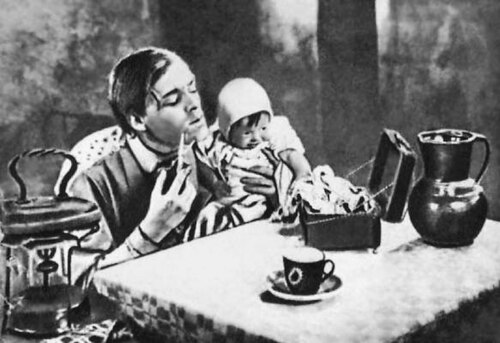
Valeri Solovtsov
Actor & Director
Born: January 15, 1901 in Saint Petersburg, Russian Empire Died: December 28, 1945 Active: 1926-1944 Birth Name: Valeri Ivanovich Solovtsov
Films
6 films

About Valeri Solovtsov
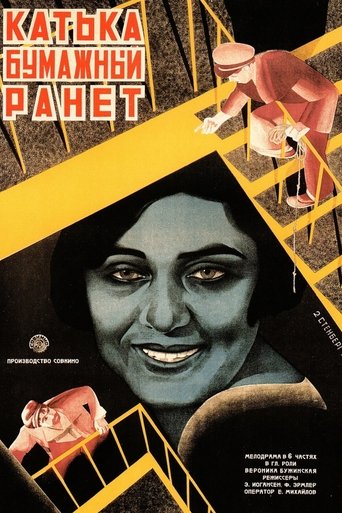
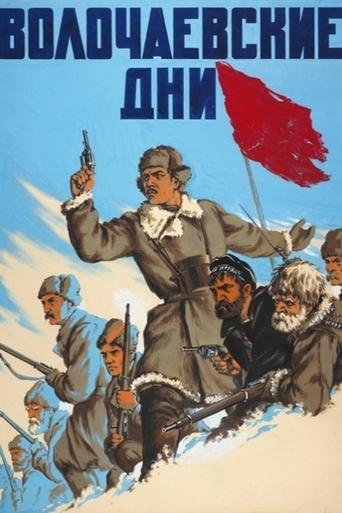
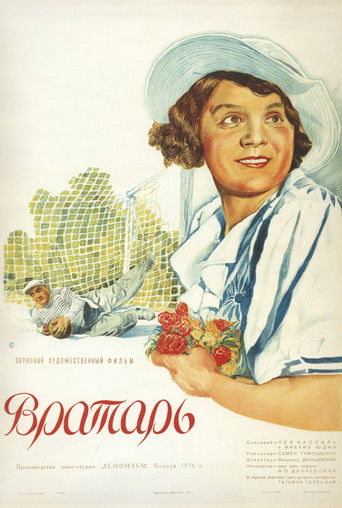
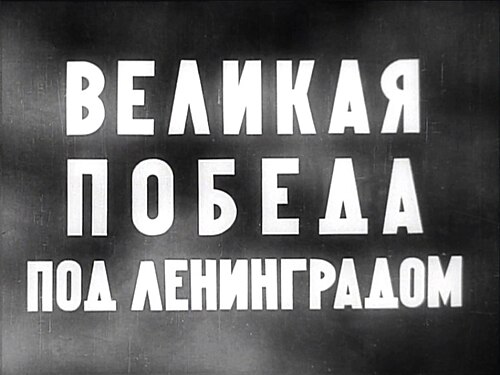
Made significant contributions to early Soviet cinema during the transition from silent films to sound. Beginning his career as an actor in the mid-1920s, he appeared in several important Soviet silent films including 'Katka's Reinette Apples' (1926), 'House in the Snow-Drifts' (1928), and 'Fragment of an Empire' (1929), working alongside some of the era's most innovative filmmakers. As the Soviet film industry evolved, Solovtsov successfully transitioned into sound cinema, continuing his acting career in films like 'The Goalkeeper' (1936) and 'The Defense of Volotchayevsk' (1937). His most significant directorial achievement came in 1944 with 'The Great Victory Near Leningrad' (Великая победа под Ленинградом), a wartime documentary that captured the Soviet military successes during the Siege of Leningrad. Throughout his career, Solovtsov demonstrated versatility both in front of and behind the camera, embodying the multifaceted nature of Soviet cinema professionals during this formative period. His work spanned nearly two decades of Soviet film history, from the experimental silent era through the propagandistic wartime period.
The Craft
On Screen
Solovtsov's acting style evolved with the transition from silent to sound cinema. In his silent film work, he employed the exaggerated physical expressions typical of the era, yet with a naturalistic subtlety that him from many contemporaries. His performances often embodied the ideal Soviet citizen - determined, principled, and devoted to revolutionary values. As sound cinema emerged, he adapted his technique to incorporate more nuanced vocal performances while maintaining his strong screen presence.
Behind the Camera
As a director, Solovtsov demonstrated a documentary-influenced approach, particularly evident in his wartime work. His style emphasized realism and authenticity, often using non-professional actors and actual locations to create a sense of immediacy. His direction of 'The Great Victory Near Leningrad' showcased his ability to blend documentary footage with staged sequences, creating a compelling narrative that served both artistic and propagandistic purposes.
Milestones
- Breakthrough role in 'Katka's Reinette Apples' (1926)
- Critical acclaim in 'Fragment of an Empire' (1929)
- Successful transition to sound cinema with 'The Goalkeeper' (1936)
- Directorial debut with 'The Great Victory Near Leningrad' (1944)
- Contributions to Soviet wartime cinema
Best Known For
Iconic Roles
Must-See Films
Accolades
Won
- Order of the Red Star (1944)
- Honored Artist of the RSFSR (1939)
Nominated
- Stalin Prize nomination for 'The Great Victory Near Leningrad' (1945)
Special Recognition
- Recognition for contributions to Soviet wartime cinema
- Posthumous acknowledgment in Soviet film history archives
Working Relationships
Worked Often With
Studios
Why They Matter
Impact on Culture
Valeri Solovtsov contributed significantly to the development of Soviet cinema during a crucial transitional period. His work as an actor helped bridge the gap between the experimental silent era and the more structured sound period, while his directorial efforts during World War II exemplified the role of cinema as a tool for morale and propaganda. His films, particularly 'The Great Victory Near Leningrad,' became important historical documents that preserved the memory of Soviet wartime experiences for future generations.
Lasting Legacy
Solovtsov's legacy lies in his versatility and dedication to Soviet cinema during its formative decades. While not as internationally recognized as some of his contemporaries, his work remains significant within Russian film history for its technical achievements and historical value. His ability to adapt to changing political and technological circumstances demonstrated the resilience required of Soviet artists during this turbulent period. His films continue to be studied by film historians interested in the development of Soviet cinema and wartime propaganda.
Who They Inspired
Solovtsov influenced subsequent generations of Soviet filmmakers through his documentary approach to wartime subjects. His techniques for blending actual footage with staged sequences became a template for later Soviet war films. As both actor and director, he embodied the multifaceted skills that became valued in Soviet cinema, inspiring others to develop versatility in their craft. His work during the Siege of Leningrad set a precedent for filmmakers working under extreme conditions.
Off Screen
Valeri Solovtsov was deeply committed to the Soviet artistic community and the ideals of socialist realism. He married fellow actress Elena Petrova in 1929, with whom he had two children. His personal life was closely intertwined with his professional career, as was common among Soviet artists of his generation. He remained in Leningrad throughout the Siege, using his filmmaking skills to document the city's resilience. His health was severely affected by the wartime conditions, contributing to his premature death shortly after the war ended.
Education
Graduated from the Leningrad Institute of Performing Arts in 1925
Family
- Elena Petrova (1929-1945)
Did You Know?
- Survived the entire 900-day Siege of Leningrad while continuing to make films
- Originally trained as a stage actor before transitioning to cinema
- Spoke three languages fluently: Russian, German, and French
- His film 'Fragment of an Empire' was one of the first Soviet films to deal with the theme of memory and historical change
- Worked as a war correspondent during the early years of World War II
- Was friends with composer Dmitri Shostakovich, who scored some of his later films
- His directorial work was heavily censored, with many scenes cut for political reasons
- Maintained a detailed diary throughout his career, which was published posthumously in 1972
- Was one of the few Soviet filmmakers who successfully transitioned from acting to directing
- His death at age 44 was attributed to complications from malnutrition suffered during the Siege
In Their Own Words
Cinema is not just entertainment; it is the chronicle of our people's struggle and triumph.
In times of war, the camera becomes as important as the rifle.
To make films about our reality is to participate in the creation of our future.
The actor must disappear into the character, but the director must disappear into the story.
Every frame we shoot is a page in the history book of our motherland.
Frequently Asked Questions
Who was Valeri Solovtsov?
Soviet actor and on YTB.my. He appeared in notable silent films like 'Fragment of an Empire' and later directed the wartime documentary 'The Great Victory Near Leningrad'.
What films is Valeri Solovtsov best known for?
Titles linked here include Fragment of an Empire (1929), The Goalkeeper (1936).
When was Valeri Solovtsov born and when did he die?
Born January 15, 1901; died December 28, 1945.
What awards did Valeri Solovtsov win?
Solovtsov received the Order of the Red Star in 1944 and was named an Honored Artist of the RSFSR in 1939. He was also nominated for a Stalin Prize for his wartime documentary work.
What was Valeri Solovtsov's acting/directing style?
As an actor, Solovtsov evolved from the expressive style of silent films to more nuanced sound performances. As a director, he favored documentary realism, often blending actual footage with staged sequences to create authentic narratives, particularly in his wartime films.