Films
1 film
About James R. Sullivan
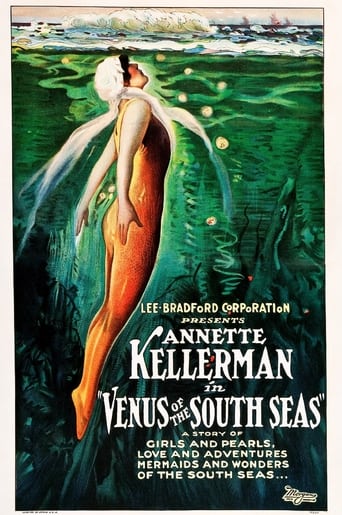
American film director active during the silent era, best known for directing the 1924 adventure drama 'Venus of the South Seas.' His career appears to have been brief, with his only known directorial credit being this South Seas adventure film starring Annette Kellerman, the famous Australian swimmer turned actress. Sullivan emerged during a period when Hollywood was producing numerous exotic location films capitalizing on public fascination with tropical settings and adventure narratives. 'Venus of the South Seas' was notable for being filmed partially in New Zealand and featured underwater sequences, showcasing the era's growing technical capabilities. Despite the film's ambitious production values and the star power of Kellerman, Sullivan did not appear to direct any other feature films, suggesting he may have been a one-time director or possibly worked in other capacities within the film industry. His brief directorial career places him among the many filmmakers of the 1920s who contributed to cinema's early development but whose names have largely faded from historical records.
The Craft
Behind the Camera
James R. Sullivan's directing style, as evidenced in 'Venus of the South Seas,' reflected the adventurous spirit of 1920s cinema, embracing exotic locations and spectacle. His approach incorporated the era's fascination with South Seas settings and adventure narratives, utilizing the natural beauty of New Zealand locations. Sullivan demonstrated technical ambition by including underwater sequences, which were relatively innovative for the time period. His work with Annette Kellerman, known for her aquatic abilities, suggests an understanding of how to showcase his star's unique talents. While limited to one known film, his direction indicates a grasp of the visual storytelling techniques essential to silent cinema, particularly in creating atmosphere and spectacle.
Milestones
- Directed 'Venus of the South Seas' (1924)
- Worked with star Annette Kellerman
- Filmed on location in New Zealand
- Incorporated underwater sequences in silent film
Best Known For
Must-See Films
Working Relationships
Worked Often With
Why They Matter
Impact on Culture
James R. Sullivan's cultural impact, while limited by his brief filmography, is tied to his contribution to the South Seas adventure genre that flourished in 1920s Hollywood. 'Venus of the South Seas' represents the era's fascination with exotic locations and adventure narratives, a trend that helped establish Hollywood's global appeal. The film's production in New Zealand and inclusion of underwater sequences demonstrated the industry's growing technical ambitions and willingness to venture beyond studio backlots. Sullivan's work, though obscure, contributed to the development of location filming practices that would become increasingly important in cinema. His collaboration with Annette Kellerman, one of the era's unique stars who combined athletic prowess with screen presence, also reflects the period's experimentation with different types of celebrity and spectacle.
Lasting Legacy
James R. Sullivan's legacy is primarily preserved through his single known directorial effort, 'Venus of the South Seas,' which serves as a time capsule of 1920s adventure filmmaking. While his name may not be widely recognized in film history, his work represents the contributions of countless lesser-known filmmakers who shaped early Hollywood. The film itself is notable for its early use of New Zealand locations and underwater photography, technical achievements that were relatively innovative for the period. Sullivan's brief career exemplifies how many talented individuals participated in cinema's formative years without achieving lasting fame. His work remains of interest to film historians and silent cinema enthusiasts studying the development of genre filmmaking and technical innovation in early cinema.
Who They Inspired
Due to the limited documentation of James R. Sullivan's career and his apparent single film as director, his direct influence on other filmmakers is difficult to trace. However, his work on 'Venus of the South Seas' contributed to the broader development of location-based filmmaking and the adventure genre that would flourish throughout cinema history. The film's technical innovations, particularly its underwater sequences, were part of the era's experimental spirit that pushed the boundaries of what was possible in cinema. While Sullivan himself may not have directly mentored or influenced other directors, his participation in these early technical and narrative innovations contributed to the collective knowledge base that subsequent filmmakers would build upon.
Off Screen
Very little is documented about James R. Sullivan's personal life, reflecting his brief and obscure tenure as a film director. His limited filmography suggests he may have worked primarily in other capacities within the film industry or possibly pursued directing as a one-time venture. The lack of biographical information about him is not uncommon for many behind-the-camera personnel from the silent era, particularly those who directed only one or two films. His connection to 'Venus of the South Seas' represents the primary record of his contribution to cinema history.
Did You Know?
- 'Venus of the South Seas' was Sullivan's only known directorial credit
- The film starred Annette Kellerman, a famous Australian swimmer turned actress
- The movie was partially filmed on location in New Zealand, unusual for the time
- The film featured underwater sequences, showcasing early technical innovation
- Kellerman performed her own stunts and swimming sequences in the film
- The film was produced by Universal Pictures during their early years
- The movie is now considered partially lost, with only some fragments surviving
- Sullivan represents the many one-time directors of the silent era whose names have faded from history
- The film's exotic setting reflected 1920s Hollywood's fascination with South Seas adventures
- Despite its star power and location filming, the film did not lead to further directing opportunities for Sullivan
Frequently Asked Questions
Who was James R. Sullivan?
American on YTB.my. His career appears to have been brief, with this being his only known directorial credit.
What films is James R. Sullivan best known for?
Titles linked here include Venus of the South Seas (1924).
When was James R. Sullivan born and when did he die?
James R. Sullivan's birth and death dates are not documented in available historical records, reflecting the obscure nature of his brief film career during the silent era.
What awards did James R. Sullivan win?
There are no documented awards or nominations for James R. Sullivan, which is not uncommon for directors of the silent era, particularly those with very limited filmographies.
What was James R. Sullivan's directing style?
Based on his only known film, Sullivan's directing style embraced the adventurous spirit of 1920s cinema, utilizing exotic locations and incorporating technical innovations like underwater sequences to create spectacle and atmosphere typical of silent-era adventure films.