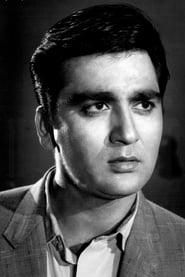
Sunil Dutt
Actor
Born: June 6, 1929 in Jhelum, Punjab, British India (now Pakistan) Died: May 25, 2005 Active: 1955-2005 Birth Name: Balraj Dutt
Films
1 film
About Sunil Dutt
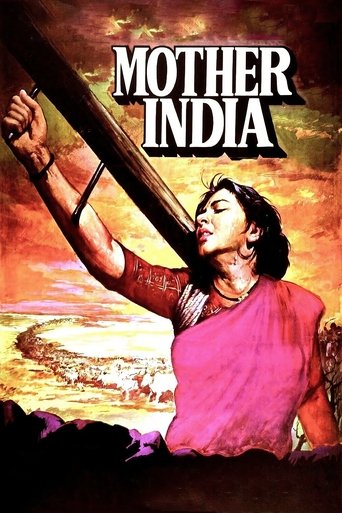
Sunil Dutt, born Balraj Dutt, was a figure in Indian cinema who began his career in the 1950s and rose to prominence with his breakthrough role as Birju in Mehboob Khan's epic 'Mother India' (1957). His powerful performance as the rebellious son who turns against his mother established him as a serious dramatic actor and earned him critical acclaim. Throughout his career spanning five decades, Dutt appeared in over 100 films, showcasing his versatility across genres from romantic dramas to action films and social commentaries. He successfully transitioned into production and direction, founding Ajanta Arts and producing meaningful cinema. Beyond his film career, Dutt made significant contributions as a social activist and politician, serving as a Member of Parliament and organizing peace initiatives during times of communal conflict. His marriage to actress Nargis, whom he met on the set of Mother India, became one of Bollywood's most celebrated love stories. Dutt's legacy encompasses not just his cinematic achievements but also his humanitarian work and dedication to social causes.
The Craft
On Screen
Sunil Dutt was known for his naturalistic and intense acting style, bringing emotional depth and authenticity to his roles. He excelled at portraying complex characters with moral ambiguity, particularly rebellious youth and troubled protagonists. His performances were marked by a powerful screen presence and the ability to convey deep emotion through subtle expressions and controlled intensity. Dutt was particularly effective in dramatic roles that required him to showcase internal conflict and transformation, often playing characters who journey from innocence to experience or from rebellion to redemption.
Milestones
- Breakthrough role in Mother India (1957)
- Founded Ajanta Arts production company
- Married actress Nargis in 1958
- Directed and produced Yaadein (1964)
- Elected to Indian Parliament in 1984
- Led peace march to Punjab during militancy (1987)
- Awarded Padma Shri in 1968
Best Known For
Iconic Roles
Must-See Films
Accolades
Won
- Filmfare Award for Best Actor for Mother India (1958)
- Filmfare Award for Best Actor for Mujhe Jeene Do (1964)
- National Film Award for Best Feature Film for Yaadein (1964)
- Padma Shri (1968)
- Filmfare Lifetime Achievement Award (1995)
Nominated
- Filmfare Award for Best Actor for Sadhna (1959)
- Filmfare Award for Best Actor for Sujata (1960)
- Filmfare Award for Best Actor for Khandan (1966)
- Filmfare Award for Best Supporting Actor for Mera Gaon Mera Desh (1971)
Special Recognition
- Padma Shri (1968)
- Filmfare Lifetime Achievement Award (1995)
- Dadasaheb Phalke Award (1997)
- Maharashtra Bhushan Award (1999)
Working Relationships
Worked Often With
Studios
Why They Matter
Impact on Culture
Sunil Dutt significantly influenced Indian cinema by bridging the gap between commercial and meaningful cinema. His role in Mother India helped establish the template for the Indian family drama and contributed to the film's international recognition, including an Oscar nomination for Best Foreign Language Film. Dutt's production company Ajanta Arts was instrumental in creating socially relevant content that addressed issues like caste discrimination and women's rights. His transition from actor to politician demonstrated the growing influence of cinema in Indian public life. Dutt's humanitarian work, particularly his peace initiatives during communal conflicts, set a precedent for celebrities engaging in social causes. His marriage to Nargis, a Muslim woman, in the 1950s also challenged religious barriers in Indian society.
Lasting Legacy
Sunil Dutt's legacy extends far beyond his filmography, encompassing his contributions as a social reformer, politician, and cultural icon. He is remembered as one of Indian cinema's most versatile actors who successfully balanced commercial success with artistic integrity. His directorial work, particularly Yaadein, is studied in film schools for its innovative narrative techniques. As a politician, he was respected for his integrity and commitment to communal harmony. The Dutt family continues to be influential in Indian cinema, with son Sanjay carrying forward the acting legacy. Sunil Dutt is often cited as an example of how cinema can be a platform for social change and national service.
Who They Inspired
Sunil Dutt influenced generations of Indian actors through his naturalistic acting style and choice of meaningful roles. He demonstrated that actors could successfully transition into production and direction while maintaining artistic credibility. His humanitarian work inspired other celebrities to engage in social causes. Dutt's ability to balance a successful film career with political service created a blueprint for artist-politicians in India. His experimental approach to filmmaking, particularly in Yaadein, influenced parallel cinema directors. The dignity and integrity with which he conducted his personal and professional life set standards for conduct in the Indian film industry.
Off Screen
Sunil Dutt's personal life was marked by both triumph and tragedy. He married actress Nargis in 1958 after a dramatic courtship that began on the set of Mother India, where he famously rescued her from a fire during filming. Their marriage was considered one of Bollywood's most enduring love stories until Nargis's death from pancreatic cancer in 1981. The couple had two children: Sanjay Dutt, who became a prominent actor, and Namrata Dutt, who stayed away from the film industry. Dutt was deeply affected by his wife's death and dedicated himself to social work and cancer awareness. He was known for his close friendship with Raj Kapoor and other industry legends. In his later years, he faced challenges with his son Sanjay's legal troubles but remained a pillar of support for his family.
Education
Graduated from Jai Hind College, Mumbai; Bachelor's degree in Arts
Family
- Nargis (1958-1981)
Did You Know?
- Saved Nargis from a fire on the set of Mother India, which led to their romance
- Yaadein (1964) entered the Guinness Book of World Records for featuring only one actor
- Walked 500 kilometers from Mumbai to Amritsar to promote peace during Punjab militancy
- Was the first Indian actor to work in both Hindi and Punjabi films successfully
- Turned down a Hollywood film offer to stay in India
- Was a close friend of Indira Gandhi and was offered ministerial positions multiple times
- Founded the Nargis Dutt Foundation for cancer awareness after his wife's death
- Was originally named Balraj but changed it to Sunil upon entering films
- His film Mother India was India's first submission for the Academy Award for Best Foreign Language Film
- Served as Sheriff of Mumbai in 1979
In Their Own Words
Cinema is not just entertainment; it's a powerful medium for social change.
My greatest achievement was not my films, but being able to serve my country and its people.
Love is not about possession, it's about appreciation.
In the face of adversity, we must choose peace over violence.
Art and politics are not separate; both are ways of serving humanity.
Frequently Asked Questions
Who was Sunil Dutt?
Legendary Indian actor, producer, on YTB.my. He gained fame with his role in Mother India (1957) and went on to become one of Indian cinema's most respected figures, appearing in over 100 films while also serving as a Member of Parliament.
What films is Sunil Dutt best known for?
Titles linked here include Mother India (1957), Sadhna (1958).
When was Sunil Dutt born and when did he die?
Born June 6, 1929; died May 25, 2005.
What awards did Sunil Dutt win?
Sunil Dutt won numerous awards including Filmfare Awards for Best Actor for Mother India and Mujhe Jeene Do, the Padma Shri in 1968, the Filmfare Lifetime Achievement Award in 1995, and the prestigious Dadasaheb Phalke Award in 1997.
What was Sunil Dutt's acting style?
Sunil Dutt was known for his naturalistic and intense acting style, bringing emotional depth and authenticity to his roles. He excelled at portraying complex characters with moral ambiguity, particularly rebellious youth and troubled protagonists, with a powerful screen presence and ability to convey deep emotion through subtle expressions.
How did Sunil Dutt meet Nargis?
Sunil Dutt met Nargis on the set of Mother India (1957) where they played mother and son. Their romance began after Dutt famously rescued Nargis from a real fire during filming, and they married in 1958, becoming one of Bollywood's most celebrated couples.
What was Sunil Dutt's contribution beyond films?
Beyond films, Sunil Dutt made significant contributions as a politician serving as MP, social activist organizing peace initiatives during communal conflicts, and humanitarian founding the Nargis Dutt Foundation for cancer awareness. He walked 500 kilometers to promote peace during Punjab militancy and was respected for his integrity in public service.