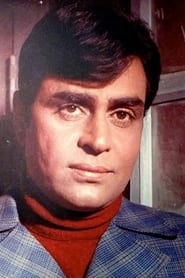
Rajendra Kumar
Actor
Born: July 20, 1929 in Sialkot, Punjab, British India (now Pakistan) Died: July 12, 1999 Active: 1957-1995 Birth Name: Rajendra Kumar Tuli
Films
1 film
About Rajendra Kumar
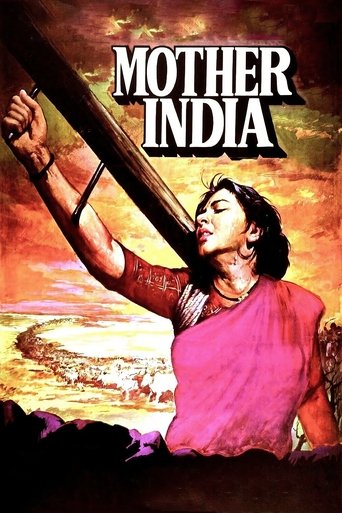
Rajendra Kumar Tuli, born in Sialkot (now in Pakistan), was successful actors in Indian cinema during the 1960s, often referred to as the 'Jubilee Kumar' due to his string of box office hits. He began his career with a small role in the epic film Mother India (1957), which marked his debut in the industry. Kumar rose to prominence in the early 1960s with films like 'Dulhan' and 'Gharana', establishing himself as a leading man known for his clean-cut image and emotional performances. Throughout the 1960s, he delivered numerous silver jubilee hits including 'Mere Mehboob', 'Sangam', and 'Ayee Milan Ki Bela', becoming one of the highest-paid actors of his time. His career saw a decline in the 1970s, though he continued to appear in films and later transitioned to character roles. Kumar also ventured into film production with 'Naach Uthe Sansaar' under his Anupam Kala Chitra banner. His legacy remains that of a quintessential romantic hero who defined an era of Hindi cinema with his sincere performances and box office reliability.
The Craft
On Screen
Known for his natural, understated acting style with exceptional emotional depth. Kumar specialized in portraying the sincere, romantic hero with a moral compass. His performances were characterized by subtle expressions, controlled emotions, and a dignified screen presence. He had a unique ability to convey complex emotions through minimal gestures, particularly excelling in romantic and family drama scenes. His acting approach was rooted in realism, avoiding theatrical mannerisms common in that era.
Milestones
- Film debut in Mother India (1957)
- First lead role in Vachan (1955)
- Box office success with Gharana (1961)
- Triumph in Mere Mehboob (1963)
- Career-defining performance in Sangam (1964)
- Production debut with Naach Uthe Sansaar (1976)
Best Known For
Iconic Roles
Must-See Films
Accolades
Won
- Filmfare Award for Best Actor - Sangam (1965)
- Filmfare Award for Best Actor - Dil Ek Mandir (1963)
- Padma Shri Award (1969)
Nominated
- Filmfare Nomination for Best Actor - Gharana (1962)
- Filmfare Nomination for Best Actor - Mere Mehboob (1964)
- Filmfare Nomination for Best Actor - Ayee Milan Ki Bela (1965)
- Filmfare Nomination for Best Actor - Arzoo (1966)
- Filmfare Nomination for Best Actor - Suraj (1967)
Special Recognition
- Padma Shri (India's fourth highest civilian award)
- Jubilee Kumar nickname for consistent box office success
- Star on Bollywood Walk of Fame (posthumous)
Working Relationships
Worked Often With
Studios
Why They Matter
Impact on Culture
Rajendra Kumar significantly shaped the image of the ideal Hindi film hero during the 1960s, representing the values of integrity, family devotion, and romantic idealism. His films often reflected traditional Indian values while addressing contemporary social issues, making him a cultural icon for the middle class. The 'Jubilee Kumar' phenomenon he created set a benchmark for commercial success in Bollywood. His clean-cut image and family-friendly content made him acceptable across all demographics, from urban to rural audiences. Kumar's success in Muslim social films like 'Mere Mehboob' helped bridge cultural gaps in post-independence India. His portrayal of the sensitive yet strong male lead influenced generations of actors and established a template for the romantic hero in Indian cinema.
Lasting Legacy
Rajendra Kumar's legacy endures through his extensive filmography that continues to be celebrated in retrospectives and film festivals. He is remembered as. His films are considered classics of Hindi cinema, regularly featured in lists of greatest Indian films. The 'Jubilee Kumar' moniker has become part of Bollywood folklore, symbolizing consistent commercial success. His production work paved the way for actor-producers in Indian cinema. Kumar's influence extends to modern cinema through his son Kumar Gaurav and the values he represented continue to be referenced in contemporary discussions about Hindi cinema's golden era.
Who They Inspired
Rajendra Kumar influenced subsequent generations of actors with his natural acting style and professional approach. His success in romantic roles set the template for many leading men who followed, including Rajesh Khanna and Amitabh Bachchan in their early romantic films. The emphasis on family values and clean entertainment in his films influenced content standards in Bollywood for decades. His business acumen in film production inspired many actors to venture into production. Kumar's ability to maintain stardom while preserving a respectable public image became a model for celebrities in Indian cinema. His collaborations with music directors created some of the most memorable film songs that continue to influence Bollywood music composition.
Off Screen
Rajendra Kumar led a relatively private personal life away from the glamour of cinema. He married Shukla Kumar in 1960, and their marriage lasted until his death in 1999. The couple had two children, including son Kumar Gaurav who also became an actor. Kumar was known for his disciplined lifestyle and maintained strong family values throughout his career. He was deeply religious and practiced meditation regularly. In his later years, he faced financial difficulties but maintained his dignity and continued working in character roles. His relationship with his son-in-law Sanjay Dutt was particularly close, and he played a significant role in Dutt's early career guidance.
Education
Graduated from Government College, Sialkot before moving to Mumbai after partition
Family
- Shukla Kumar (1960-1999)
Did You Know?
- Was nicknamed 'Jubilee Kumar' because 25 of his films had silver jubilee runs (25 weeks)
- His debut role in Mother India was initially offered to Sunil Dutt
- Was the first choice for the lead in 'Waqt' but declined the role
- His son Kumar Gaurav's debut film 'Love Story' (1981) was produced by Rajendra Kumar
- Was a close friend of Raj Kapoor and frequently visited RK Studios
- Never won any major acting award despite his massive box office success
- Was considered for the lead in 'Guide' before Dev Anand was finalized
- His film 'Sangam' was the first Indian film shot extensively in foreign locations
- Was known for never smoking or drinking on or off screen
- His last film appearance was in 'Mahaul Theek Hai' (1999) released after his death
In Their Own Words
Success in films is not about being the best actor, but about being the right actor for the right role
I never played roles that I couldn't relate to in real life
The audience gives you love, and you must return it with sincerity
Box office success is temporary, but respect from colleagues is permanent
I always believed that an actor should be a good human being first
Frequently Asked Questions
Who was Rajendra Kumar?
Rajendra Kumar was. He appeared in over 80 films and was particularly famous for his romantic and family-oriented roles in classics like 'Mother India', 'Sangam', and 'Mere Mehboob'.
What films is Rajendra Kumar best known for?
Titles linked here include Mother India (1957), Gharana (1961).
When was Rajendra Kumar born and when did he die?
Born July 20, 1929; died July 12, 1999.
What awards did Rajendra Kumar win?
He won two Filmfare Awards for Best Actor for 'Sangam' (1965) and 'Dil Ek Mandir' (1963), and received the prestigious Padma Shri award in 1969 for his contributions to Indian cinema. He also received numerous Filmfare nominations throughout his career.
What was Rajendra Kumar's acting style?
Kumar was known for his natural, understated acting style with exceptional emotional depth. He specialized in portraying sincere, romantic heroes with strong moral values, using subtle expressions and controlled emotions rather than theatrical mannerisms common in that era.