Raaj Kumar
Actor
Born: October 8, 1926 in Loralai, Baluchistan, British India (now Pakistan) Died: July 3, 1996 Active: 1957-1995 Birth Name: Kulbhushan Pandit
Films
1 film
About Raaj Kumar
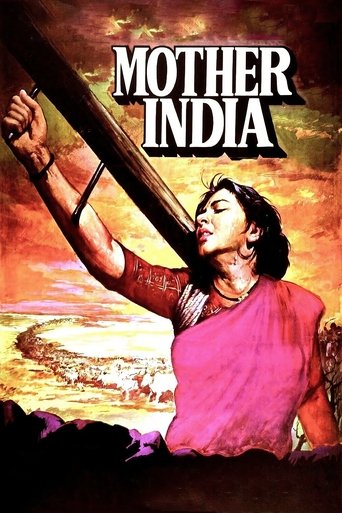
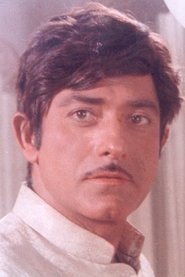
Raaj Kumar, born Kulbhushan Pandit, was one of Indian cinema's most actors known for his distinctive baritone voice and unique dialogue delivery. He began his career with a memorable debut in Mehboob Khan's masterpiece 'Mother India' (1957), where he played Shamu, the husband of Nargis's character. Despite having only a brief role in the film, his powerful screen presence left a lasting impression on audiences. Following this debut, he went on to establish himself as a leading man in Hindi cinema throughout the 1960s and 1970s. Kumar was particularly known for his intense, brooding performances and his ability to deliver dialogues with unparalleled gravitas. His over four decades during which he appeared in more than 70 films. He was often typecast in roles that required authority, intensity, and moral complexity. His unique style of acting, characterized by minimal movement and maximum impact through voice and expression, made him a distinctive figure in Bollywood's golden era.
The Craft
On Screen
Known for his distinctive baritone voice, minimal body movement, and intense dialogue delivery. His style was characterized by a commanding screen presence, brooding intensity, and the ability to convey complex emotions through subtle facial expressions and powerful vocal modulation.
Milestones
- Debut in Mother India (1957)
- Breakthrough role in 'Paakeezah' (1972)
- Iconic performance in 'Waqt' (1965)
- Memorable role in 'Tirangaa' (1993)
- Award-winning performance in 'Kaajal' (1965)
Best Known For
Iconic Roles
Must-See Films
Accolades
Won
- Filmfare Award for Best Supporting Actor for 'Kaajal' (1965)
- Filmfare Award for Best Actor for 'Lal Patthar' (1971)
- Filmfare Award for Best Supporting Actor for 'Dulhan Wahi Jo Piya Man Bhar Ke' (1977)
Nominated
- Filmfare nomination for Best Actor for 'Waqt' (1965)
- Filmfare nomination for Best Actor for 'Paakeezah' (1972)
- Filmfare nomination for Best Actor for 'Kudrat' (1981)
Special Recognition
- Recipient of Padma Shri award (1970)
- Filmfare Lifetime Achievement Award (1993)
- Honored at International Film Festival of India
Working Relationships
Worked Often With
Studios
Why They Matter
Impact on Culture
Raaj Kumar revolutionized dialogue delivery in Hindi cinema with his distinctive baritone voice and unique style of speaking. His famous line 'Jinke apne ghar sheeshon ke banche hon, woh doosron ke patthar se khelne ki koshish na karein' became iconic in Indian popular culture. He established a new archetype of the intense, brooding hero who conveyed more through voice and expression than through action. His style influenced generations of actors who tried to emulate his commanding screen presence and dialogue delivery. He was particularly popular for playing roles that required moral authority and gravitas, becoming synonymous with the 'angry young man' prototype before Amitabh Bachchan made it famous.
Lasting Legacy
Raaj Kumar's legacy endures through his memorable dialogues and distinctive acting style that continues to be referenced and parodied in contemporary Indian media. His contribution to establishing dialogue as a powerful tool in Indian cinema cannot be overstated. He proved that an actor could achieve stardom through minimal movement and maximum impact through voice and expression. His films are still celebrated for their artistic merit and his performances are studied by acting students. The Filmfare Lifetime Achievement Award recognized his immense contribution to Indian cinema. His son Puru Raaj Kumar attempted to carry forward his legacy, though the unique style of the father remained unparalleled.
Who They Inspired
Raaj Kumar influenced numerous actors with his unique style of dialogue delivery and screen presence. Amitabh Bachchan, in particular, acknowledged Kumar's influence on his own style of intense performances. His method of conveying emotion through voice modulation rather than excessive movement became a template for serious dramatic roles in Hindi cinema. Many actors, from Naseeruddin Shah to Om Puri, have cited his work as inspiration for their approach to character portrayal. His ability to maintain dignity and intensity in roles without resorting to melodrama set a new standard for realistic yet powerful acting in Indian cinema.
Off Screen
Raaj Kumar was known for his private and reclusive nature, rarely giving interviews or appearing in public events. He was married to Jennifer, an Anglo-Indian air hostess whom he met on a flight. The couple had three children together - two sons named Panini and Puru Raaj Kumar (who also became an actor), and a daughter named Vastavikta. Despite his stardom, he maintained a simple lifestyle and was deeply religious. He was known for his disciplined daily routine and early morning yoga practice. His family life remained largely private from media scrutiny throughout his career.
Education
Graduated from Bombay University
Family
- Jennifer (married in 1960s until his death in 1996)
Did You Know?
- He worked as a police inspector in Mumbai before entering films
- He was known for never attending film award functions or social events
- His famous dialogue 'Jaani, O meri jaani' from the film 'Waqt' became legendary
- He charged Rs. 11 lakh for 'Tirangaa' (1993), a record amount at that time
- He was offered the role of Gabbar Singh in 'Sholay' but declined
- He was a strict vegetarian and practiced yoga daily
- He never appeared in any advertisements or endorsements throughout his career
- He was known for his punctuality and would often arrive hours before shooting
- He had a collection of vintage cars and was particularly fond of Mercedes
- He was offered roles in Hollywood films but chose to remain in Indian cinema
In Their Own Words
'Jinke apne ghar sheeshon ke banche hon, woh doosron ke patthar se khelne ki koshish na karein' - from 'Waqt'
'Jaani, O meri jaani' - his signature line from 'Waqt'
'Aaj khush toh bahut hoge, tum' - from 'Tirangaa'
'Hum tumhe chaar aankhon se dekhenge' - from 'Waqt'
'Ek baar jo maine commitment kar di, phir main apne aap ki bhi nahi sunta' - his personal philosophy
Frequently Asked Questions
Who was Raaj Kumar?
Legendary Indian with credits in this catalog. He debuted in 'Mother India' (1957) and went on to become one of Bollywood's most iconic actors, appearing in over 70 films during his nearly four-decade career.
What films is Raaj Kumar best known for?
Titles linked here include Mother India (1957), Waqt (1965).
When was Raaj Kumar born and when did he die?
Born October 8, 1926; died July 3, 1996.
What awards did Raaj Kumar win?
Raaj Kumar won three Filmfare Awards: Best Supporting Actor for 'Kaajal' (1965), Best Actor for 'Lal Patthar' (1971), and Best Supporting Actor for 'Dulhan Wahi Jo Piya Man Bhar Ke' (1977). He also received the Padma Shri in 1970 and the Filmfare Lifetime Achievement Award in 1993.
What was Raaj Kumar's acting style?
Raaj Kumar was known for his unique acting style characterized by minimal body movement, intense facial expressions, and powerful dialogue delivery delivered in his distinctive baritone voice. He conveyed emotions through his voice and subtle expressions rather than dramatic gestures, creating a commanding and authoritative screen presence.