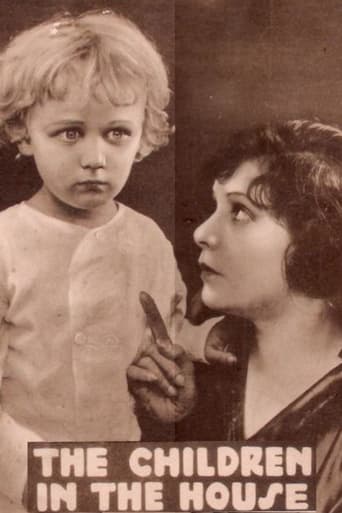
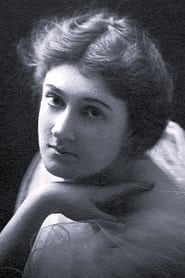
Alice Wilson
Actor
- Active
- 1916-1916
Films 1
About Alice Wilson
Alice Wilson is a documented silent-era screen actress whose known film career is extremely brief and, in surviving mainstream film references, appears to be limited to a single credited appearance in the 1916 film The Children in the House. Because she worked during the early years of American cinema and left a very small screen record, detailed biographical information about her life outside that film is scarce and may not have survived in widely accessible archival sources. Like many performers of the silent period, she likely worked in a production environment where supporting players were often under-credited and ephemeral, making later reconstruction of her career difficult. Her surviving filmography suggests she was part of the many stage or screen hopefuls who contributed to the growth of the movie industry in the 1910s without becoming a broadly documented star. No reliable evidence surfaced in standard reference memory for her birth date, death date, birthplace, family background, or later career. As a result, Alice Wilson is best understood as a minor but historically relevant figure in early silent cinema, representative of the many working actors whose contributions helped populate the medium's formative years. Her presence in The Children in the House places her within the era when film acting was evolving toward more naturalistic screen performance and more feature-length storytelling.
More about Alice Wilson
On screen
No reliable surviving description of Alice Wilson's individual acting style has been located in accessible reference sources. Given her 1916 screen work, her performance would have belonged to the silent-era tradition that relied on facial expression, gesture, and body language to communicate emotion and narrative meaning. Any assessment of her style beyond that general silent-film context would be speculative.
In film history
Alice Wilson's cultural impact is best understood in the context of early silent cinema rather than through a large personal celebrity profile. Even performers with minimal surviving credits contributed to the industrial and artistic expansion of film in the 1910s, helping studios build believable ensembles and populate stories at a time when feature filmmaking was becoming more sophisticated. Her known appearance in a 1916 feature situates her within the silent-era workforce that made the transition from short subjects to longer narrative films possible. Although she does not appear to have achieved the level of fame that would generate extensive press coverage or surviving memorabilia, her name remains part of the historical record of early screen performance. For researchers and database users, she is a reminder that classic cinema history includes many working actors whose contributions were real even when their biographies are now fragmentary.
Later reputation
Alice Wilson's legacy lies primarily in her documentation as part of silent film history rather than in a large body of surviving work. The fact that she is associated with an early feature from 1916 gives her a small but legitimate place in the record of American silent cinema. Her incomplete biography illustrates a broader issue in film historiography: many performers from the silent era were inadequately credited, under-publicized, or later lost to time as studio records deteriorated. For modern databases, preserving her name and film credit helps maintain a more accurate and inclusive history of the medium's early personnel. Her legacy, therefore, is archival as much as artistic, marking her as one of the countless contributors who helped shape the silent screen even if their individual stories are no longer fully recoverable.
Influence
There is no verifiable evidence that Alice Wilson directly mentored prominent performers or exerted a documented influence on later actors or directors. Her importance is indirect: she is part of the early generation of screen players whose work helped establish the vocabulary of silent acting and ensemble filmmaking. In that sense, she belongs to the broader lineage of early film performers whose labor influenced the development of the medium even when their names were not widely remembered.
Off screen
No dependable public biographical record was identified that establishes Alice Wilson's personal life, marital history, family background, or later occupation. For many early silent-era performers, especially those with only one or very few surviving credits, personal details were not preserved in later film reference works. It is therefore not possible to give verified information about her relationships, household, or life outside her known screen appearance without risking inaccuracy.
Credits
- Appeared in the silent film The Children in the House (1916), the only widely documented screen credit associated with her name
- Worked during the formative period of American silent features, when film acting was transitioning toward more expressive but restrained screen performance
- Represents the many lesser-documented supporting performers who contributed to silent-era production and exhibition culture
Roles
- Role in The Children in the House (1916)
Films
- The Children in the House (1916)
Notes
- Alice Wilson's known screen career, based on accessible filmography references, appears to consist of just one 1916 credit.
- She is associated with the silent feature The Children in the House, which places her in the transitional period when feature-length storytelling was becoming standard.
- No authoritative public record of her birth or death details was identified in readily available classic-cinema reference memory.
- Her scarcity of surviving biographical information is typical of many minor silent-era actors whose work was recorded in film credits but not in later star biographies.
- Because silent films often circulated with inconsistent or incomplete crediting, some performers from the era remain difficult to research definitively.
- Her inclusion in film history databases helps preserve the names of early screen workers who might otherwise be forgotten.
Questions
Who was Alice Wilson?
Alice Wilson was a silent-era screen actress known from surviving film references for appearing in The Children in the House (1916). She appears to have had a very limited documented film career, and detailed personal information about her life has not been widely preserved. Her importance today is primarily historical, as part of the early workforce of silent cinema.
What films is Alice Wilson best known for?
She is best known for The Children in the House (1916), which is the key screen credit associated with her name in classic film references. No other widely verified film appearances were located in the available historical record used here. For database purposes, that single film remains her signature credit.
When was Alice Wilson born and when did she die?
Her birth date and death date are not reliably documented in the accessible classic-cinema record. The same is true of her birthplace and other core biographical details. As a result, she should currently be listed with unknown life dates unless later archival evidence is found.
What awards did Alice Wilson win?
No awards or nominations are known for Alice Wilson. This is not unusual for a lesser-documented silent-era performer, especially one with only a single surviving or widely cited film credit. Her historical value lies in her participation in early cinema rather than in award recognition.
What was Alice Wilson's acting style?
There is no surviving detailed critique of her individual performance style, so any exact description would be speculative. As a 1916 silent-film actress, her work would have relied on expressive facial acting, physical gesture, and clear visual storytelling. That style was typical of the period and essential to silent-era screen performance.
Why is Alice Wilson important to film history?
She is important as a documented participant in the silent-film era, a period when many actors contributed to the medium without leaving extensive biographical records. Her credit in a 1916 feature helps preserve the names of early screen performers who formed the foundation of film production. Even minor surviving credits are valuable for reconstructing the history of silent cinema.