The Children in the House
Plot
In this silent drama, a woman endures a miserable marriage to an unfaithful husband whose recklessness and moral weakness dominate the household. Her life is trapped by social expectations and the practical difficulties of leaving a marriage in the 1910s, even as her husband continues to behave selfishly and irresponsibly. The story turns on his criminal attempt to rob a bank, an act that leads to his death and finally releases her from the bondage of the marriage. In the aftermath, the film frames her future as one of emotional survival and the possibility of a more honorable life after suffering.
About the Production
The Children in the House was a Fox Film production from the mid-1910s, made during the period when William Fox was rapidly expanding his studio output and building a star system around actresses such as Norma Talmadge. As with many American films of this era, detailed production records are scarce, and surviving documentation on shooting, sets, and crew is limited. The film was directed by Sidney Franklin, who later became known for moving between silent-era domestic dramas and prestige productions, and it reflects the era's emphasis on emotionally charged melodrama centered on female suffering and moral consequence. Because the film is a silent feature from 1916, it was designed to rely heavily on performance, intertitles, and expressive staging rather than dialogue-driven exposition.
Historical Background
The Children in the House was produced in 1916, during a formative period in American cinema when feature-length storytelling was becoming the norm and studios were rapidly consolidating production, distribution, and star promotion. The film emerged in the middle of the silent-era melodrama boom, a time when stories about marriage, betrayal, and female suffering were common and often framed moral questions in emotionally direct terms. It also reflects the social realities of the era, when divorce carried heavy stigma and women’s independence was far more constrained than in later decades, making the heroine’s entrapment especially resonant for contemporary audiences. In a broader cultural sense, the film belongs to the early development of Hollywood’s treatment of women as central dramatic subjects, particularly in prestige dramas built around established actresses.
Why This Film Matters
While The Children in the House is not among the most famous surviving silent films, it is culturally important as part of Norma Talmadge’s early screen career and as a representative example of 1910s domestic melodrama. Films like this helped establish the emotional and moral vocabulary that later Hollywood melodramas would refine, especially stories centered on female endurance, marital disappointment, and tragic release. It also illustrates how silent cinema used intimate family situations to dramatize broader concerns about respectability, gender roles, and the cost of social dependence. For film historians, the title is valuable as evidence of the kinds of stories audiences encountered before the classical sound-era model of domestic drama fully emerged.
Making Of
The film was made at a time when Fox was producing a large volume of melodramas and star vehicles, and its casting of Norma Talmadge reflects the industry’s growing reliance on recognized performers to draw audiences. Sidney Franklin’s direction would have emphasized controlled emotional performance, visual clarity, and the stark moral divisions typical of silent-era domestic drama. Little detailed behind-the-scenes documentation survives, so there is no well-established record of difficult shoots, major rewrites, or location work. Like many films of 1916, it was likely staged primarily on studio sets with carefully composed interiors designed to heighten the domestic tension and the heroine’s isolation.
Visual Style
Specific cinematographer credit and surviving technical documentation are not reliably established in the available summary sources, but the film would have relied on the visual conventions of mid-1910s silent melodrama. That style typically used static or gently mobile camera placement, carefully arranged tableaux, and expressive close-ups to capture emotional states. Lighting and composition would have been designed to distinguish domestic interiors from scenes of danger and criminal action, especially in the sequence involving the husband’s bank robbery. The film’s power would have come from performance and framing rather than elaborate camera movement or spectacle.
Innovations
The film does not appear to be associated with major technical innovations, but it is representative of the mature silent-era feature format that had become standard by 1916. Its achievement lies in the efficient visual dramatization of domestic tragedy, a style that depended on performance, intertitles, and scene construction to communicate complex emotional and moral situations. The bank robbery climax suggests the use of parallel dramatic escalation common to the period, contrasting domestic oppression with criminal action. In historical terms, its significance is less about novelty and more about how it exemplifies the storytelling methods of early Fox features.
Music
As a 1916 silent film, The Children in the House had no synchronized recorded soundtrack. It would originally have been accompanied in theaters by live music, often a pianist, organist, or small ensemble, with selection varying by venue and by exhibitor practice. Surviving cue sheets or a composer assignment are not readily documented in available summary sources. Any modern presentation of the film would typically use a reconstructed or newly commissioned silent-film accompaniment.
Memorable Scenes
- The husband’s fatal bank robbery, which serves as the story’s decisive turning point and ends the heroine’s long suffering.
- The heroine’s domestic scenes of endurance and humiliation, which likely function as the emotional center of the film.
- The final release from an oppressive marriage, a classic silent-era melodramatic resolution that transforms tragedy into moral closure.
Did You Know?
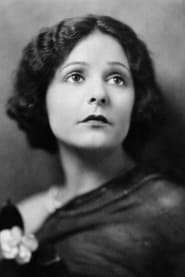
- The film stars Norma Talmadge, one of the most important actresses of the silent era and later one of the great independent female producers in Hollywood.
- Sidney Franklin, the director, would later become a major studio director in both the silent and early sound eras, eventually directing prestige literary adaptations.
- The title The Children in the House suggests a domestic melodrama, but the central conflict is not simply family life; it is a grim story of marital betrayal, moral ruin, and liberation through tragedy.
- This film belongs to the tradition of 1910s women-centered dramas in which the heroine’s emotional endurance is the main dramatic focus.
- The film is difficult to document in detail today, which is common for silent-era titles from the 1910s, especially those not preserved in widely circulated prints.
- Because the surviving promotional and production information is limited, exact release strategy and exhibition history are not well documented in standard modern sources.
- The known plot places the husband’s death during a bank robbery at the center of the narrative resolution, a melodramatic device typical of the period.
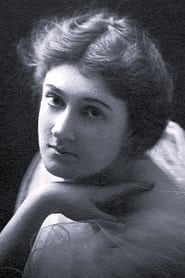
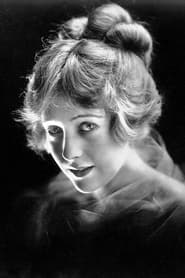
- The cast also includes Alice Wilson and Jewel Carmen, both of whom appeared in a variety of silent-era screen roles, though many of their credits are now obscure to modern viewers.
What Critics Said
Contemporary critical reception is not well preserved in widely accessible modern summaries, and specific surviving reviews are difficult to verify. As a Fox silent drama starring Norma Talmadge, it would likely have been marketed as an emotional vehicle for a popular actress rather than as a formally experimental work. Modern assessment of the film is necessarily limited by the scarcity of readily available surviving prints and documentation, which makes it difficult to gauge nuance in the original critical response. Today, it is mainly of interest to silent-film historians, archivists, and scholars of Norma Talmadge and Sidney Franklin rather than to the general critical canon.
What Audiences Thought
Direct audience-response records are not readily available, but films of this type were generally aimed at broad urban and regional audiences who favored emotionally intense domestic dramas. Norma Talmadge was a reliable draw in the silent era, and her presence would have been a significant factor in audience interest. The film’s tragic yet morally legible plot likely aligned with the expectations of 1910s spectators, who were accustomed to stories that ended in punishment for vice and sympathy for the suffering heroine. Because so few exhibition records survive, it is difficult to reconstruct box-office performance or regional popularity with confidence.
Film Connections
Influenced By
- Stage melodrama
- Victorian domestic fiction
- Early 1910s American moral dramas
- Silent-era star vehicles for actresses
This Film Influenced
- Later domestic melodramas centered on betrayed wives and tragic liberation
- Silent and early sound women’s pictures that emphasize marital conflict
- Fox melodramas built around Norma Talmadge-style emotional performance
You Might Also Like
More Drama Films
View allMore from Sidney Franklin
View allFilm Restoration
Preservation status is uncertain in readily available modern references; detailed information on surviving prints is limited, and the film is not widely accessible. It may be partially lost or survive only in archival holdings, but a definitive public restoration or commercial release is not clearly documented in the sources consulted.