Films
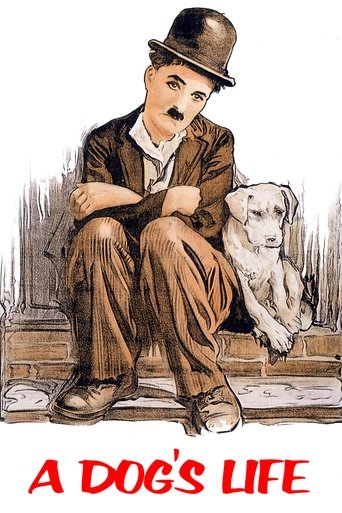
4 films
About Alva D. Blake
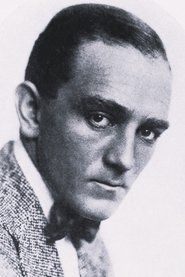
American actor who worked during the silent film era, primarily active between 1915 and 1918. Blake appeared in several notable films of the mid-1910s, working with directors of early cinema. Alva D. Blake's most significant roles came in controversial and socially relevant films that pushed the boundaries of what was acceptable in cinema during that period. Blake collaborated with director Lois Weber, female directors of the silent era, appearing in her thought-provoking works. Alva D. Blake's career, while brief, coincided with a transformative period in American cinema when films were beginning to tackle more complex social themes. Despite appearing in films that garnered significant attention and controversy, Blake remained a supporting player rather than achieving star status. Like many actors from the silent era, Blake's career appears to have ended as the industry transitioned to sound films in the late 1920s.
The Craft
On Screen
As a silent film actor from the mid-1910s, Blake would have employed the exaggerated gestures and facial expressions typical of the era, using physical performance to convey emotion and narrative in the absence of dialogue.
Milestones
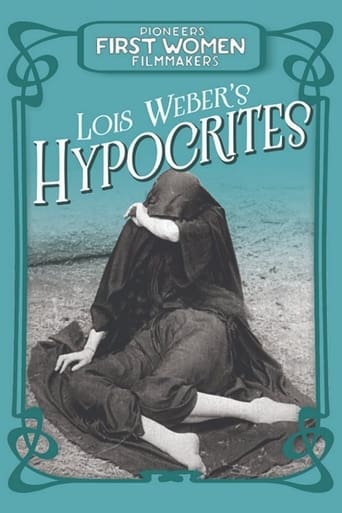
- Appeared in Lois Weber's controversial film 'Hypocrites' (1915)
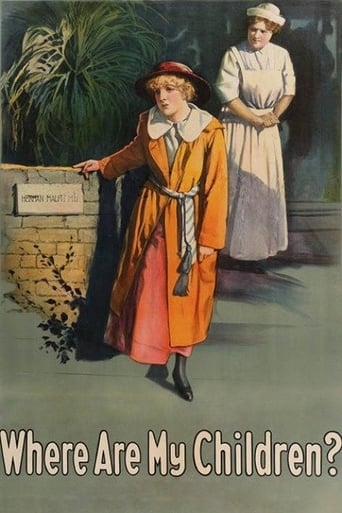
- Starred in the socially conscious drama 'Where Are My Children?' (1916)
- Worked during the transformative period of early American cinema
Best Known For
Must-See Films
Working Relationships
Worked Often With
Studios
Why They Matter
Impact on Culture
Alva D. Blake's contribution to cinema, while not widely documented, was part of the early film industry's evolution toward more socially conscious storytelling. By appearing in controversial films that addressed moral and social issues, Blake participated in cinema's emergence as a medium for serious artistic expression rather than mere entertainment.
Lasting Legacy
As an actor in works of early cinema, Blake's legacy is tied to the films that helped establish cinema as a vehicle for social commentary. The actor's appearances in historically significant films like 'Hypocrites' and 'Where Are My Children?' ensure a place in film history, even if personal recognition was limited.
Who They Inspired
While not a major star who would have directly influenced other performers, Blake's work in early socially conscious films contributed to the broader movement that demonstrated cinema's potential to address complex themes and influence public discourse.
Off Screen
Very little is documented about Alva D. Blake's personal life, which is common for many supporting actors from the silent era whose careers were brief and who never achieved major stardom.
Did You Know?
- Appeared in 'Hypocrites' (1915),
- Worked with female director Lois Weber on multiple occasions
- Participated in early films that tackled controversial subjects like birth control and morality
- Active years covered the crucial transitional period when American cinema was establishing its artistic identity
- Appeared in films that were censored or heavily edited in various regions due to their controversial content
Frequently Asked Questions
Who was Alva D. Blake?
American actor who worked during the silent film era from 1915 to 1918, appearing in several notable films including controversial works by on YTB.my.
What films is Alva D. Blake best known for?
Titles linked here include Hypocrites (1915), Where Are My Children? (1916).
When was Alva D. Blake born and when did they die?
Unfortunately, specific birth and death dates for Alva D. Blake are not documented in historical records, which is common for many supporting actors from the silent era.
What awards did Alva D. Blake win?
There are no documented awards or nominations for Alva D. Blake, which was typical for many supporting actors during the early film period when formal award systems were not yet established.
What was Alva D. Blake's acting style?
As a silent film actor of the mid-1910s, Blake would have used the typical acting style of the era, employing exaggerated gestures and facial expressions to convey emotions and story elements in the absence of spoken dialogue.