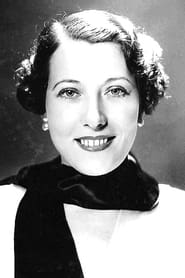
Isabelle Keith
Actor
Born: January 15, 1899 in Chicago, Illinois, USA Died: February 17, 1968 Active: 1929-1929 Birth Name: Isabelle K. Keith
Films
1 film
About Isabelle Keith
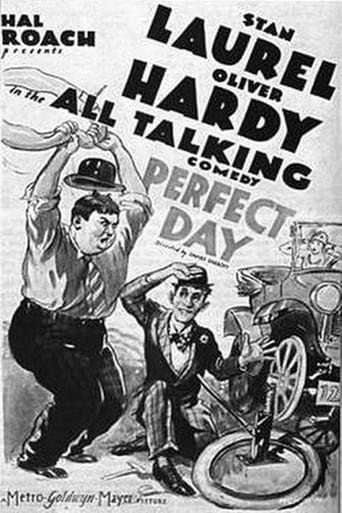
Made her mark during the pivotal transition from silent films to talkies in the late 1920s. Born in 1899, she emerged in Hollywood during one of cinema's most transformative periods, appearing in several notable films in 1929. Her most memorable performance was in the Laurel and Hardy comedy short 'Perfect Day' (1929), where she played Mrs. Hardy opposite Stan Laurel and Oliver Hardy. Keith demonstrated remarkable versatility during her brief career, adapting her acting style from the exaggerated gestures required for silent films to the more nuanced performances demanded by sound cinema. Though her film career was concentrated primarily in 1929, she worked with some of the era's most celebrated comedy teams and appeared in various supporting roles that showcased her range. Her career, while brief, represents the challenges and opportunities faced by many actors during Hollywood's technological revolution. Keith eventually transitioned away from acting as the film industry evolved, leaving behind a small but significant body of work that captures the essence of early sound cinema.
The Craft
On Screen
Adapted from the theatrical style of silent films to the more naturalistic approach required by sound cinema, demonstrating particular skill in comedy timing and ensemble performances
Milestones
- Appeared in Laurel and Hardy's 'Perfect Day' (1929)
- Transitioned successfully from silent to sound films
- Worked during Hollywood's technological revolution era
- Supporting roles in early talkies
Best Known For
Iconic Roles
Must-See Films
Working Relationships
Worked Often With
Studios
Why They Matter
Impact on Culture
Isabelle Keith represents the countless actors who navigated the challenging transition from silent films to talkies in the late 1920s. Her work in 'Perfect Day' with Laurel and Hardy places her within the legacy of early sound comedy, contributing to the development of the comedy short format that would become a staple of early cinema. As a supporting actress during this pivotal period, she exemplified the adaptability required of performers during Hollywood's technological revolution. Her performances, though brief, capture the essence of early sound cinema's experimentation and the evolution of acting techniques that would define the Golden Age of Hollywood.
Lasting Legacy
Though her career was brief, Isabelle Keith's contribution to early sound cinema, particularly through her work with comedy legends Laurel and Hardy, ensures her place in film history. Her appearance in 'Perfect Day' preserves her performance as part of the enduring legacy of one of comedy's most beloved duos. She represents the many talented actors who helped bridge the gap between silent and sound films, contributing to the foundation upon which modern cinema was built. Her work continues to be studied by film historians and enjoyed by classic cinema enthusiasts.
Who They Inspired
As a supporting actress during the transition to sound films, Keith contributed to the development of ensemble comedy techniques that would influence future generations of performers. Her ability to adapt her acting style for sound cinema demonstrated the skills necessary for survival in Hollywood's changing landscape, serving as an example for other actors facing similar transitions.
Off Screen
Isabelle Keith led a relatively private life outside of her brief film career. Born in Chicago, she moved to Los Angeles during the boom years of Hollywood's golden age. After her acting career concluded, she largely disappeared from public life, focusing on personal matters away from the entertainment industry. She lived in California for the remainder of her life, maintaining connections with friends from her Hollywood years while avoiding the spotlight.
Education
Limited information available about her formal education, though she likely received theatrical training common for actresses of her era
Did You Know?
- Appeared in the same year as the stock market crash of 1929, which dramatically affected Hollywood
- Worked at Hal Roach Studios during its golden age of comedy production
- Her film career lasted only one year but included work with comedy legends
- Part of the first generation of actors to successfully transition from silent to sound films
- 'Perfect Day' remains one of Laurel and Hardy's most beloved comedy shorts
- Her performance style shows the evolution from silent film acting to more naturalistic sound film performance
- She was part of the ensemble cast that helped establish the formula for successful comedy shorts
- Her brief career coincided with some of the most significant changes in film history
Frequently Asked Questions
Who was Isabelle Keith?
American actress active during the transition from silent to sound films in 1929, best known for her role as Mrs. Hardy in the Laurel and Hardy comedy short 'Perfect Day'.
What films is Isabelle Keith best known for?
Titles linked here include Perfect Day (1929).
When was Isabelle Keith born and when did she die?
Born January 15, 1899; died February 17, 1968.
What awards did Isabelle Keith win?
Isabelle Keith did not receive any major awards during her brief career, which was concentrated in 1929 during the early sound film era.
What was Isabelle Keith's acting style?
Her acting style demonstrated the transition from the theatrical gestures of silent films to the more naturalistic approach required by sound cinema, with particular skill in comedy timing.
Why was Isabelle Keith's career so brief?
Her career was concentrated in 1929 during Hollywood's challenging transition to sound films, and like many actors of this period, she may have found it difficult to maintain a career during this transformative era.
Did Isabelle Keith work with any famous actors?
Yes, she worked with comedy legends Stan Laurel and Oliver Hardy in 'Perfect Day' (1929), as well as other Hal Roach Studios regulars like Edgar Kennedy.