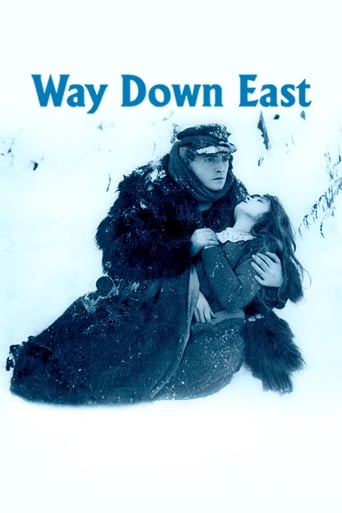
Films
1 film
About Josephine Bernard
The 1920 film Way Down East is the only title linked here for Josephine Bernard. Griffith's landmark 1920 drama 'Way Down East.' Her career appears to have been extremely brief, with only this single credited film appearance to her name. As a supporting player in films of the silent era, she was part of Griffith's ensemble cast that helped bring this melodramatic tale to life. The film itself was a massive commercial success, despite its controversial themes, and became one of the highest-grossing films of the 1920s. Bernard's role, while minor, placed her within the orbit of director D.W. Griffith during his peak creative period. Like many actors of the time who appeared in only one or two films, her contribution to cinema history is preserved primarily through her participation in this influential work. The transition to sound films in the late 1920s may have ended her career before it truly began, as was common for many supporting players of the silent era.
The Craft
Milestones
- Appeared in D.W. Griffith's 'Way Down East' (1920)
Best Known For
Iconic Roles
Must-See Films
Working Relationships
Worked Often With
Studios
Why They Matter
Impact on Culture
Josephine Bernard's cultural impact is primarily through her participation in 'Way Down East,'. The film was notable for its controversial themes dealing with seduction and illegitimacy, as well as for its spectacular ice-flo sequence that became one of cinema's most famous scenes. As part of Griffith's ensemble, Bernard contributed to a film that helped establish the melodramatic conventions that would influence Hollywood for decades. The movie's success demonstrated the commercial viability of serious dramatic themes in cinema and helped solidify D.W. Griffith's reputation as one of America's premier directors.
Lasting Legacy
Josephine Bernard's legacy is preserved through her appearance in 'Way Down East,' a film that remains a cornerstone of silent cinema history. While she did not achieve lasting fame as an individual performer, her contribution to this important work ensures her place in film history. The film itself continues to be studied by film scholars and screened at classic film festivals, maintaining Bernard's connection to cinematic history. Her brief career represents the experience of many supporting actors from the silent era who participated in important films but did not achieve stardom in the rapidly evolving film industry of the 1920s.
Who They Inspired
As a minor actress with only one known film credit, Josephine Bernard's direct influence on other actors or filmmakers appears to be minimal. However, her participation in Griffith's work places her within the influential Griffith company, which trained and launched numerous careers in early Hollywood. The techniques and approaches demonstrated in 'Way Down East' influenced countless filmmakers and performers who followed, though Bernard's individual contribution to this influence is difficult to trace specifically.
Off Screen
Very little is known about Josephine Bernard's personal life, as was common for minor supporting actors in the silent film era who did not achieve star status.
Did You Know?
- Appeared in 'Way Down East' during the same year that the film's famous ice-flo sequence was filmed, which was actually shot in White Plains, New York during winter conditions
- Was part of D.W. Griffith's company during his peak creative period in the early 1920s
- Her only known film appearance was in one of the highest-grossing films of the silent era
- The film she appeared in was controversial for its time due to its themes of seduction and out-of-wedlock pregnancy
- 'Way Down East' was one of the last major silent films before the industry began transitioning to sound
- Like many supporting actors of the era, she did not receive screen credit in some versions of the film's advertising
- The film's success helped establish Lillian Gish as one of America's premier actresses
Frequently Asked Questions
Who was Josephine Bernard?
American actress who worked briefly during the silent film era, best known for her appearance in D.W. Griffith's 1920 film 'Way Down East.' Her career appears to have been limited to this single film role, making her a minor figure in cinema history.
What films is Josephine Bernard best known for?
Titles linked here include Way Down East (1920).
When was Josephine Bernard born and when did she die?
Unfortunately, specific birth and death dates for Josephine Bernard are not available in historical records, which was common for minor supporting actors from the silent era who did not achieve lasting fame.
What awards did Josephine Bernard win?
Josephine Bernard did not receive any major awards or recognition during her brief film career, which consisted of a single appearance in 1920.
What was Josephine Bernard's acting style?
Specific details about Josephine Bernard's acting style are not documented, as she appeared in only one film and in what was likely a minor supporting role. As a performer in a D.W. Griffith production, she would have worked within the melodramatic acting conventions typical of silent cinema.