
Films
2 films
About Reba Devi
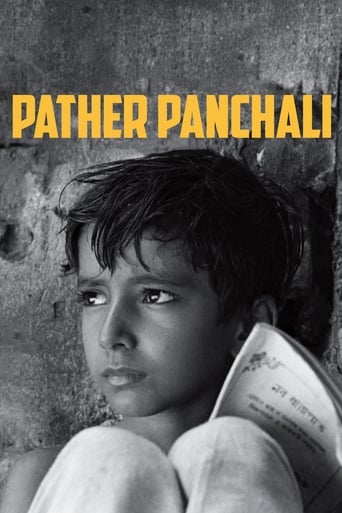
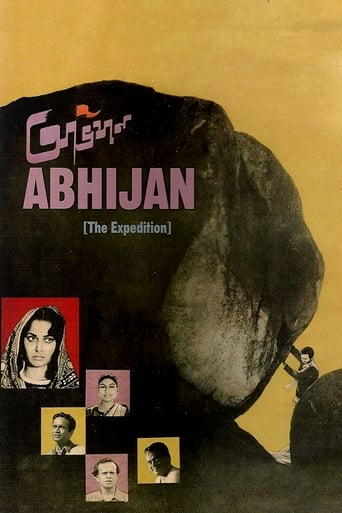
Indian actress who emerged during the golden era of Indian parallel cinema in the 1950s and early 1960s. She made her mark in cinema history with her appearance in Satyajit Ray's debut film Pather Panchali (1955), where she played the role of Durga's friend in a small but memorable part. Though her role was brief, being part of this revolutionary film that launched Indian cinema onto the international stage was significant. Her the crucial period when Indian art cinema was establishing itself as a powerful medium for social commentary and artistic expression. She continued acting through the early 1960s, appearing in The Expedition (1962), though detailed records of her filmography remain limited. Like many supporting actors of her era, her contributions to Indian cinema are documented primarily through her association with landmark films rather than extensive personal documentation.
The Craft
On Screen
Naturalistic acting style characteristic of the Indian parallel cinema movement, emphasizing authentic performances over theatrical melodrama
Milestones
- Appeared in Satyajit Ray's Pather Panchali (1955),
- Part of the early parallel cinema movement in India
- Worked during the formative years of Indian art cinema
Best Known For
Iconic Roles
Must-See Films
Working Relationships
Worked Often With
Why They Matter
Impact on Culture
Reba Devi's cultural impact is primarily tied to her participation in Pather Panchali, a film that revolutionized Indian cinema and brought international recognition to Indian parallel cinema. Though her role was small, being part of this cinematic milestone places her within the historical narrative of Indian film's evolution from commercial entertainment to artistic expression. The film's success at international film festivals helped establish India as a serious contender in world cinema, and every contributor, including supporting actors like Reba Devi, shares in this legacy.
Lasting Legacy
Reba Devi's legacy is preserved through her association with. While detailed records of her career may be sparse, her contribution to Pather Panchali ensures her place in the annals of Indian cinema. She represents the countless character actors and actresses who were essential to creating the authentic, realistic portrayals that defined the parallel cinema movement, even if their individual names were not widely recognized by the general public.
Who They Inspired
As a supporting actress in the early parallel cinema movement, Reba Devi contributed to establishing a new paradigm for acting in Indian cinema - one that valued naturalism and authenticity over the theatrical traditions of commercial films. Her work, along with that of other character actors in Pather Panchali, helped demonstrate that compelling cinema could be created with non-professional and semi-professional actors drawn from real life, influencing generations of Indian filmmakers to follow.
Off Screen
Very limited information is available about Reba Devi's personal life, which was common for supporting actors in Indian cinema during this period. Documentation of personal details was not systematically maintained for character actors and actresses who were not major stars.
Did You Know?
- Pather Panchali was the debut film of legendary director Satyajit Ray and the first film in the Apu trilogy
- The film was shot on a very low budget over three years, with many delays due to funding issues
- Many of the child actors in Pather Panchali were not professional actors before being cast
- Pather Panchali won numerous international awards and established India's reputation in world cinema
- The film was based on a Bengali novel by Bibhutibhushan Bandyopadhyay
- Satyajit Ray was influenced by Italian neorealism when making Pather Panchali
- The film's success led to the creation of two sequels, completing the Apu trilogy
Frequently Asked Questions
Who was Reba Devi?
Indian actress active during the 1950s and early 1960s, best known for her role as Durga's friend in Satyajit Ray's landmark film Pather Panchali (1955). She was part of the early parallel cinema movement in India that emphasized realistic storytelling and naturalistic performances.
What films is Reba Devi best known for?
Titles linked here include Pather Panchali (1955), The Expedition (1962).
When was Reba Devi born and when did she die?
Unfortunately, detailed biographical information about Reba Devi, including her birth and death dates, is not readily available in historical records. This was common for supporting actors in Indian cinema during the 1950s and 1960s.
What awards did Reba Devi win?
There are no documented awards or nominations specifically for Reba Devi. However, the film Pather Panchali, in which she appeared, won numerous international awards including the Best Human Document award at the Cannes Film Festival in 1956.
What was Reba Devi's acting style?
Reba Devi's acting style was consistent with the naturalistic approach of Indian parallel cinema, which emphasized authentic, understated performances over theatrical melodrama. This style was characteristic of Satyajit Ray's films, which often used non-professional and semi-professional actors to achieve greater realism.