Rita Carewe
Actor
Born: December 12, 1909 in New York City, New York, USA Died: October 22, 1955 Active: 1928-1928 Birth Name: Rita Belle McDonald
Films
1 film
About Rita Carewe
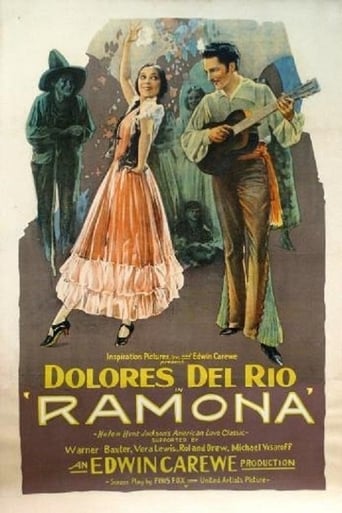
American actress who had a brief but notable career during the twilight years of the silent film era. Born Rita Belle McDonald in 1909, she entered the film industry through family connections, as her father was actor Thomas Carewe and she was associated with prominent director Edwin Carewe. Her career peaked in 1928 when she appeared in several films, most notably the early Technicolor production 'Ramona' starring Dolores del Río, which was directed by Edwin Carewe. Despite her promising start and attractive screen presence, Carewe's film career lasted only one year, after which she abruptly retired from the entertainment industry. Her disappearance from Hollywood was as sudden as her arrival, leaving behind a small but intriguing filmography that captures the transitional period between silent films and talkies. She spent the remainder of her life away from the spotlight, passing away in 1955 at the age of 45.
The Craft
On Screen
Carewe embodied the classic silent film acting style with exaggerated facial expressions and dramatic gestures, typical of the era's melodramatic conventions. Her screen presence was characterized by a delicate beauty and emotional intensity that suited the romantic and dramatic roles she portrayed.
Milestones
- Appeared in the early Technicolor film 'Ramona' (1928)
- Starred in multiple films during her single year of activity
- Worked with prominent director Edwin Carewe
- Participated in the late silent era before the transition to sound
Best Known For
Iconic Roles
Must-See Films
Working Relationships
Worked Often With
Studios
Why They Matter
Impact on Culture
Rita Carewe represents the countless actors who briefly graced the silver screen during Hollywood's transitional period from silent films to talkies. Her appearance in 'Ramona' (1928), an early Technicolor production, places her within the technological evolution of cinema, participating in the industry's shift toward color cinematography. Though her career was brief, she exemplifies the ephemeral nature of stardom during the late 1920s, when many actors' careers were cut short by the advent of sound or personal choices.
Lasting Legacy
Rita Carewe's legacy lies primarily in her contribution to the preservation of late silent cinema through her film performances. Her work in 'Ramona' remains historically significant as part of one of the early color productions of the era. She serves as a reminder of the many talented actors who briefly participated in Hollywood's golden age but whose stories remain largely untold, representing the vast talent pool that flowed through the studio system during cinema's formative decades.
Who They Inspired
Due to her brief career, Rita Carewe had limited direct influence on subsequent generations of actors. However, her participation in early color films contributed to the gradual acceptance and development of color cinematography in Hollywood. Her story illustrates the family-based nature of early Hollywood, where connections and relationships often determined career opportunities, particularly for actresses in the silent era.
Off Screen
Rita Carewe was born into a family connected to the entertainment industry, with her father Thomas Carewe being an actor. She married early in life and chose to leave her burgeoning film career after just one year, prioritizing her personal life over stardom. Details about her post-Hollywood life remain scarce, as she maintained her privacy away from the public eye until her death in 1955.
Education
Information not publicly available
Family
- Information not publicly available
Did You Know?
- Her entire film career lasted only one year (1928)
- She appeared in the early Technicolor film 'Ramona' before color became standard
- Her stage name 'Carewe' came from her father's professional name
- She worked with director Edwin Carewe, who was a family member
- Her career ended just as the transition to sound films was beginning
- She was one of many actresses who retired from films after marrying
- Despite her brief career, she appeared in at least five films in 1928
- Her most famous film 'Ramona' starred Dolores del Río, a major star of the era
- She represents the typical trajectory of many supporting actresses in silent films
- Her life story illustrates how quickly careers could end in early Hollywood
In Their Own Words
No documented quotes are available from Rita Carewe, likely due to her brief career and private nature after leaving Hollywood
Frequently Asked Questions
Who was Rita Carewe?
American actress who had a brief career in silent films during 1928, best known for her appearance in the early Technicolor film 'Ramona'. Born Rita Belle McDonald, she was connected to the entertainment industry through her family but retired from acting after just one year in Hollywood.
What films is Rita Carewe best known for?
Titles linked here include Ramona (1928), The Road to Ruin (1928).
When was Rita Carewe born and when did she die?
Born December 12, 1909; died October 22, 1955.
What awards did Rita Carewe win?
Rita Carewe did not receive any major awards or nominations during her brief one-year career in 1928. Her contributions to cinema remain primarily through her film performances rather than formal recognition.
What was Rita Carewe's acting style?
Rita Carewe employed the typical acting style of the late silent era, characterized by expressive facial gestures and dramatic physical movements to convey emotion without dialogue. Her screen presence was noted for its delicate beauty and emotional intensity, fitting the melodramatic conventions of silent cinema.