
George Lessey
Actor
Born: June 8, 1875 in Amherst, Massachusetts, USA Died: May 3, 1947 Active: 1910-1922 Birth Name: George Henry Lessey
Films
4 films
About George Lessey
American actor and director who rose to prominence during the silent film era, particularly in the 1910s. A Harvard graduate born in Amherst, Massachusetts, Lessey began his film career with the Edison Manufacturing Company, where he quickly became one of their leading men and directors. George appears in over 200 films between 1910 and 1922, often playing sophisticated, authoritative characters that suited his dignified presence and classical training. Beyond acting, Lessey directed approximately 100 films, demonstrating remarkable versatility behind the camera as well. His work with Edison Studios established him as a reliable and talented filmmaker during cinema's formative years. After his film career waned in the early 1920s, Lessey transitioned to stage work and later became involved in radio broadcasting. His contributions to early American cinema, particularly during the transitional period when films were evolving from short subjects to feature-length productions, mark him as an important figure in film history.
The Craft
On Screen
Lessey was known for his dignified, classical acting style that reflected his educational background and stage training. He portrayed characters with authority and sophistication, often playing gentlemen, professionals, or figures of respect. His performances were characterized by controlled gestures and expressive facial work that was particularly effective in silent films. Unlike many of his contemporaries who relied on exaggerated melodramatic techniques, Lessey brought a more naturalistic approach to his roles, helping to establish a more realistic style of film acting.
Milestones
- Graduated from Harvard University before entering films
- Became leading actor for Edison Manufacturing Company
- Directed approximately 100 films during his career
- Appeared in over 200 silent films
- Transitioned successfully from acting to directing
- Pioneered early film techniques during cinema's formative years
Best Known For
Iconic Roles
Must-See Films
Accolades
Special Recognition
- Recognized as a pioneer of early American cinema
- Noted for his contributions to Edison Studios' success
Working Relationships
Worked Often With
Studios
Why They Matter
Impact on Culture
George Lessey played a significant role in shaping early American cinema during its crucial development period. As both actor and director, he helped establish professional standards for film production at a time when the medium was still defining itself. His work with Edison Studios contributed to the company's reputation for quality productions during the 1910s. Lessey's transition from stage to film represented the broader movement of classically trained performers who brought legitimacy to the new art form. His sophisticated acting style helped move film performance away from theatrical exaggeration toward more naturalistic expression, influencing subsequent generations of film actors.
Lasting Legacy
George Lessey's legacy endures through his extensive body of work in silent cinema, representing the bridge between theatrical tradition and emerging film artistry. His films, though rarely seen today, remain important artifacts documenting the evolution of American cinema. As a Harvard graduate who chose film as his medium, Lessey helped elevate the cultural status of filmmaking during its early years. His dual career as actor and director exemplified the versatility required of early cinema pioneers. The preservation of his films continues to provide valuable insight into the techniques and styles of early American filmmaking.
Who They Inspired
Lessey influenced early film actors through his more restrained, naturalistic acting style, which contrasted with the exaggerated performances common in the period. As a director, he mentored numerous performers who would continue in the film industry. His educational background and professional approach helped establish higher standards for film production. The techniques he developed for visual storytelling in silent films influenced directors who followed. His successful transition from stage to film provided a model for other classically trained actors entering the new medium.
Off Screen
George Lessey married actress May Abbey, who frequently appeared in his films, creating one of early cinema's notable working partnerships. The couple collaborated on numerous Edison productions, with Abbey often playing opposite Lessey or appearing in films he directed. After his film career, Lessey remained involved in the entertainment industry through radio work. He maintained his connection to the arts throughout his life, bringing his classical education and artistic sensibilities to various media. Lessey spent his later years in New York City, where he passed away in 1947 at the age of 71.
Education
Harvard University graduate, class of 1898
Family
- May Abbey (married date unknown-1947)
Did You Know?
- Graduated from Harvard University in 1898, unusual for film actors of his era
- Appeared in over 200 films during his 12-year career
- Directed approximately 100 films, demonstrating remarkable versatility
- Was one of Edison Studio's most valuable contract players
- His wife May Abbey appeared in many of his films
- Helped establish the star system at Edison Studios
- Transitioned to radio broadcasting after his film career ended
- Was known for his distinctive mustache and dignified appearance
- Often played authority figures due to his commanding screen presence
- Worked during the transitional period when films evolved from shorts to features
Frequently Asked Questions
Who was George Lessey?
American actor and on YTB.my. A Harvard graduate who appeared in over 200 films and directed about 100, he was a prominent figure at Edison Studios and helped establish professional standards in early American cinema.
What films is George Lessey best known for?
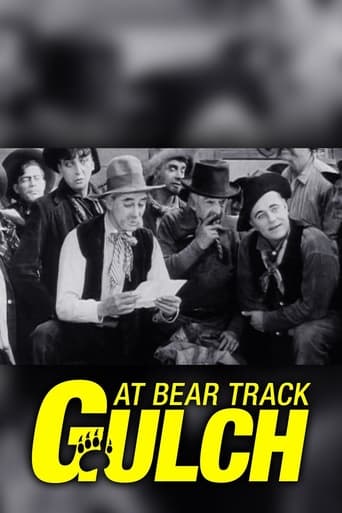
Titles linked here include At Bear Track Gulch (1913), The Man Who Might Have Been (1914).
When was George Lessey born and when did he die?
Born June 8, 1875; died May 3, 1947.
What awards did George Lessey win?
George Lessey did not receive formal awards during his career, as this was before the establishment of most film honors. However, he is recognized as an important pioneer of early American cinema who contributed significantly to the development of film as an art form.
What was George Lessey's acting and directing style?
As an actor, Lessey was known for his dignified, naturalistic style that contrasted with the exaggerated performances common in early films. As a director, he emphasized clear visual storytelling and efficient pacing, helping establish professional standards during cinema's formative years.