Films
2 films
About Amar Mullick
Prominent actor in the golden era of Bengali cinema, active primarily during the 1930s through the late 1950s. He made his mark in Indian film history with his performance in the critically acclaimed 'Vidyapati' (1937), directed by the Debaki Bose, which was one of the films of early Indian talkies. Mullick's over two decades, during which he became known for his versatile acting abilities and his ability to portray complex characters with depth and authenticity. His role in 'Chaowa Pawa' (1959) showcased his enduring appeal and adaptability to changing cinematic styles. Throughout his career, he worked with some of the most respected directors of his time and contributed significantly to the development of Bengali cinema as a serious art form. Mullick was part of the generation of actors who helped transition Indian cinema from its theatrical roots to more naturalistic performances. His filmography, while not extensively documented, represents important contributions to the cultural and artistic heritage of Indian cinema.
The Craft
On Screen
Amar Mullick was known for his naturalistic acting style that helped bridge the gap between theatrical performances and realistic cinema. His approach emphasized emotional authenticity and subtle character development, which was innovative for his era in Indian cinema. Mullick had the ability to convey complex emotions through minimal gestures and expressions, making his performances relatable and impactful.
Milestones
- Starred in Vidyapati (1937), a landmark film in early Indian cinema
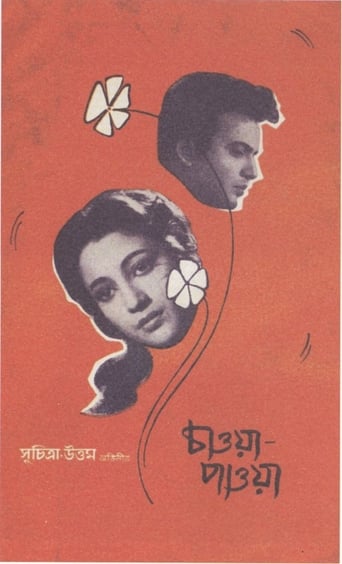
- Appeared in Chaowa Pawa (1959) in his later career
- Contributed to the golden age of Bengali cinema
- Worked with directors of Indian film
Best Known For
Iconic Roles
Must-See Films
Working Relationships
Worked Often With
Why They Matter
Impact on Culture
Amar Mullick contributed significantly to the cultural landscape of Bengal during a crucial period when cinema was emerging as a powerful medium for social and artistic expression. His work in films like 'Vidyapati' helped establish Bengali cinema as a serious art form capable of addressing complex themes and narratives. As part of the early generation of Indian film actors, he played a role in shaping the aesthetic and narrative conventions that would influence subsequent generations of filmmakers and performers in India.
Lasting Legacy
Amar Mullick's legacy lies in his contribution to the foundation of Bengali cinema during its formative years. His performances in landmark films helped demonstrate the potential of cinema as a medium for artistic expression in India. While detailed records of his complete filmography may be limited, his work in significant films like 'Vidyapati' ensures his place in the history of Indian cinema as part of the generation that established the industry's artistic standards.
Who They Inspired
As an early actor in Bengali cinema, Amar Mullick was part of the generation that influenced the transition from theatrical acting styles to more naturalistic performances in Indian films. His work, particularly in critically acclaimed productions, helped set standards for acting that would influence subsequent generations of Bengali actors. The naturalistic approach he brought to his roles contributed to the evolution of acting techniques in Indian cinema.
Off Screen
Limited information is available about Amar Mullick's personal life, which was common for many actors of his era who maintained privacy despite their public careers. Like many actors of early Indian cinema, he likely balanced his artistic pursuits with family life while contributing to the cultural renaissance of Bengal through his work in films.
Did You Know?
- Appeared in Vidyapati (1937), which was one of the early successful talkies in Bengali cinema
- His active years covered over two decades during a crucial period of Indian cinema development
- Worked during the transition from silent films to talkies in India
- Was part of the golden age of Bengali cinema in the 1930s-1950s
- His film Chaowa Pawa (1959) came toward the end of his active career
- Contributed to establishing Bengali cinema as a serious artistic medium
Frequently Asked Questions
Who was Amar Mullick?
Indian with credits in this catalog. He is best known for his roles in significant films like 'Vidyapati' (1937) and 'Chaowa Pawa' (1959), contributing to the golden age of Bengali cinema.
What films is Amar Mullick best known for?
Titles linked here include Vidyapati (1937), Chaowa Pawa (1959).
When was Amar Mullick born and when did he die?
Specific birth and death dates for Amar Mullick are not readily available in documented sources, which is common for many actors from early Indian cinema. His active active years covered from 1937 to 1959.
What awards did Amar Mullick win?
There are no documented records of major awards won by Amar Mullick, which was typical for many actors of his era as formal award systems in Indian cinema were not yet established during much of his career.
What was Amar Mullick's acting style?
Amar Mullick was known for his naturalistic acting style that helped bridge theatrical traditions with realistic cinema. He emphasized emotional authenticity and subtle character development, which was innovative for his time in Indian cinema.