No Poster
Films
2 films
About Ahi Sanyal
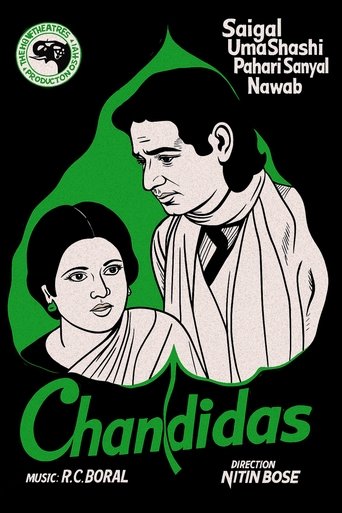
Actor in the early era of Indian cinema, particularly active in Bengali films during the mid-1930s. His career, though brief, coincided with a transformative period in Indian filmmaking when the industry was transitioning from silent films to talkies. Sanyal appeared in two significant films directed by the Debaki Bose, who was instrumental in establishing Indian cinema's artistic credentials. His most notable work came in 'Chandidas' (1934), which was for its use of background music and realistic storytelling. He followed this success with 'Vidyapati' (1937), another culturally significant film that explored themes of devotion and social reform. While his filmography was limited, these two films placed him among the early actors who helped shape the foundations of Indian cinema. Unfortunately, like many actors from this early period, detailed records of his life and career are scarce, reflecting the challenges of film preservation and documentation in colonial India.
The Craft
On Screen
Based on the theatrical traditions of early Indian cinema, Sanyal likely employed the dramatic, expressive style common in 1930s Indian films, which drew heavily from classical Indian performance arts and stage traditions. Actors of this period often used exaggerated gestures and vocal modulation to convey emotions, adapting theatrical techniques for the new medium of sound cinema.
Milestones
- Debut in Chandidas (1934)
- Role in Vidyapati (1937)
- Collaboration with director Debaki Bose
- Participation in early Bengali cinema's golden period
Best Known For
Iconic Roles
Must-See Films
Working Relationships
Worked Often With
Studios
Why They Matter
Impact on Culture
Ahi Sanyal, though not a major star, contributed to the important cultural movement of early Bengali cinema that helped establish Indian film as an art form. His participation in 'Chandidas' and 'Vidyapati' placed him in films that were instrumental in developing Indian cinema's unique identity, blending traditional Indian themes with modern cinematic techniques. These films were part of a broader cultural renaissance in Bengal that sought to redefine Indian identity through art and literature.
Lasting Legacy
Ahi Sanyal's legacy is preserved through his contributions to two of early Indian cinema's most significant films. While he may not be widely remembered today, his work represents the foundation upon which Indian cinema was built. The films he appeared in continue to be studied by film historians and are considered milestones in the development of Indian cinematic language.
Who They Inspired
As a supporting actor in films, Sanyal was part of the collaborative effort that established many conventions of Indian cinema. His work, alongside that of other early actors, helped create templates for character acting in Indian films that would influence generations of performers who followed.
Off Screen
Very limited information is available about Ahi Sanyal's personal life, which is typical for many supporting actors from early Indian cinema. Detailed biographical records were not systematically maintained during this period, particularly for actors who were not the primary leads.
Did You Know?
- Appeared in two of the most significant early Bengali films directed by Debaki Bose
- Chandidas (1934) was one of the first Indian films to use background music effectively
- Vidyapati (1937) was a bilingual film made in both Hindi and Bengali versions
- Both films he appeared in dealt with themes of devotion and social reform
- Worked during the golden period of New Theatres studio, which was instrumental in developing Indian cinema
- His films were made during the British colonial period, when Indian cinema was developing its unique identity
Frequently Asked Questions
Who was Ahi Sanyal?
Screen credits include early Bengali cinema, most notably in the films Chandidas (1934) and Vidyapati (1937) directed by Debaki Bose.
What films is Ahi Sanyal best known for?
When was Ahi Sanyal active in films?
Ahi Sanyal was active as an actor from 1934 to 1937, based on his known filmography from this period of early Indian cinema.
Who did Ahi Sanyal work with?
Sanyal worked with director Debaki Bose and likely collaborated with prominent actors of the era like Kundan Lal Saigal and Kanan Devi at the New Theatres studio.
What was the significance of the films Ahi Sanyal appeared in?
Both Chandidas and Vidyapati were groundbreaking films that helped establish Indian cinema's artistic credentials and were part of the cultural renaissance in Bengal during the 1930s.