Gustaf Boge
Actor
- Active
- 1917-1917
Films 1
About Gustaf Boge
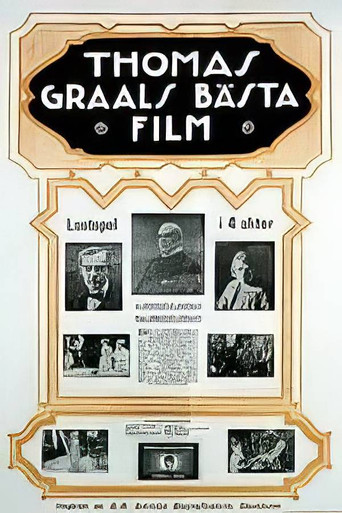
Gustaf Boge was a Swedish silent-era actor whose screen work is documented from 1917, when he appeared in Thomas Graal's Best Film, one of the early comedies associated with the Swedish film world. He appears to have been a minor or supporting performer rather than a major star, and surviving reference sources provide very limited biographical detail about his life outside that single screen credit. Because of the scarcity of archival information, there is no widely confirmed record of his birth date, death date, family background, or broader stage or film career. His known filmography suggests he was active during the formative years of Swedish cinema, a period when performers often moved between theater, vaudeville, and rapidly developing film productions. Gustaf Boge is therefore remembered primarily as a participant in early Scandinavian silent cinema rather than as a widely documented celebrity. The lack of later credits may indicate a brief screen career, a local stage focus, or simply the incompleteness of surviving records from the silent era.
More about Gustaf Boge
In film history
Gustaf Boge’s cultural importance lies less in fame than in his place within the fragile historical record of early Swedish film production. Even performers with very small surviving filmographies contributed to the texture and realism of silent-era cinema, especially in ensemble comedies and domestic dramas. His presence in Thomas Graal's Best Film links him to the development of Swedish screen comedy in the 1910s, a field that would later help establish Sweden as a significant early film culture. For researchers, actors like Boge are valuable because they illustrate how many creative workers participated in cinema without leaving extensive publicity trails or complete archival traces.
Later reputation
His legacy is primarily archival: he is one of the many early film performers whose names survive through production records, cast listings, and film history databases. That limited survival is itself meaningful, because it shows how much of silent-era performance history depends on incomplete documentation. Boge’s name continues to appear in filmographic references connected to Thomas Graal's Best Film, ensuring that his contribution to early Swedish cinema is not entirely lost. In the broader history of film, he stands as a representative of the numerous supporting actors who helped build national cinemas during the silent period.
Influence
There is no documented evidence that Gustaf Boge directly mentored other actors or exerted a measurable influence on later performers. His influence is best understood indirectly: by taking part in early Swedish productions, he contributed to the ensemble traditions and production practices that shaped the country's silent film era. In historical terms, even small roles by largely forgotten actors helped establish screen acting conventions and the collaborative culture of early Scandinavian filmmaking.
Off screen
No reliably verified personal-life information is widely available in standard film reference sources. His marital status, family background, and life outside of film are not documented in the surviving mainstream records consulted for early Swedish cinema personalities. As with many silent-era supporting players, his biographical footprint is limited, and it is possible that much of his private history remains in local archives or has been lost over time.
Credits
- Appeared in Thomas Graal's Best Film (1917), a notable early Swedish silent comedy associated with the Thomas Graal series
- Participated in Swedish silent cinema during a foundational period for the national film industry
- Represents the type of supporting performer whose work helped populate early studio-era productions
Roles
- Role in Thomas Graal's Best Film (1917)
Films
- Thomas Graal's Best Film (1917)
Notes
- He is chiefly associated with a single surviving screen credit: Thomas Graal's Best Film (1917).
- He worked during the silent era, when film acting depended heavily on gesture, expression, and visual comedy.
- His career is a good example of how many early cinema performers remain only partially documented.
- There is no widely verified public record of his birth or death in common English-language film references.
- He appears to have been part of Swedish cinema at a time when the industry was still developing its international reputation.
- Because his filmography is so small, he is mainly of interest to silent-film historians and archivists.
Questions
Who was Gustaf Boge?
Gustaf Boge was a Swedish actor from the silent-film era, best known for appearing in Thomas Graal's Best Film (1917). Surviving records about him are very limited, so he is primarily remembered as a minor but documented figure in early Swedish cinema.
What films is Gustaf Boge best known for?
He is best known for Thomas Graal's Best Film (1917), which is the principal film credit associated with his name in surviving filmographic sources. No broader film career is widely documented in standard reference materials.
When was Gustaf Boge born and when did he die?
His birth and death dates are not currently verified in widely available film reference sources. As a result, both his date of birth and date of death remain unknown in this summary.
What awards did Gustaf Boge win?
No awards or formal honors are known for Gustaf Boge from the available historical record. This is not unusual for many silent-era supporting performers, whose careers were often poorly documented.
What was Gustaf Boge's acting style?
There is no detailed contemporary critical description of his acting style in the surviving record. Since he appeared in a silent-era film, his performance would have relied on visual expression, body language, and face acting typical of the period.
What is Gustaf Boge's legacy in film history?
His legacy is mainly archival and historical rather than star-based. He represents the many early screen performers whose work helped shape silent cinema even though their lives and careers were only sparsely recorded.