Thomas Graal's Best Film
Plot
Thomas Graal, a screenwriter in the Swedish film world, is deeply attached to his secretary Bessie and takes her affection for granted until an impulsive kiss drives her away in hurt and confusion. Left alone with his disappointment and self-reproach, he channels his feelings into writing a new screenplay, shaping the story around an idealized version of Bessie and the emotions she awakened in him. As Thomas works, the line between his private life and his creative imagination begins to blur, and the film becomes both a romantic comedy and a playful reflection on how artists transform real experience into fiction. The narrative gradually reveals that Bessie has not been entirely truthful with him, complicating Thomas's romantic hopes and forcing him to confront both misunderstanding and deception. In the end, the film resolves its emotional entanglements in a gentle, comic-romantic manner typical of Mauritz Stiller's sophisticated silent-era style.
About the Production
Thomas Graal's Best Film was made during the peak of Sweden's internationally admired silent-era cinema, when Svenska Biografteatern was producing visually refined feature films for both domestic and export markets. The film is notable for its self-reflexive premise about screenwriting and filmmaking, which was relatively sophisticated for 1917 and reflects the industry's growing awareness of cinema as an art form and a business. Surviving information indicates that approximately 31 minutes of the original running time are missing and presumed lost, making the film fragmentary in its extant form. As with many Swedish silent productions of the period, contemporary documentation is incomplete, so precise budget, earnings, and some production specifics are not reliably recorded.
Historical Background
The film was made in 1917, near the end of the First World War, a period when Sweden remained neutral but was still affected by wartime shortages, social change, and the shifting international film market. At the same time, Swedish cinema was experiencing a remarkable creative peak, with directors such as Mauritz Stiller and Victor Sjöström helping establish a style admired for its visual sophistication, psychological nuance, and location-based realism. Thomas Graal's Best Film reflects this moment by combining light comedy with an unusually modern awareness of filmmaking itself, showing that silent cinema was already beginning to think about its own processes and illusions. The film matters historically because it sits within the early development of self-reflexive screen narratives and because it belongs to a now-famous national cinema period whose influence extended well beyond Sweden.
Why This Film Matters
Although not among the most famous titles of Swedish silent cinema, Thomas Graal's Best Film is significant as an early example of a film about making films, a subject that would later become central to cinema history and self-parody. Its blend of romance, comedy, and meta-cinematic reflection helps demonstrate how sophisticated silent-era storytelling could be even in relatively short features. The participation of Mauritz Stiller and Victor Sjöström also connects the film to a foundational generation of filmmakers whose work helped define the international prestige of Scandinavian cinema. For modern historians and archivists, the film is culturally important not only for its content but also because its incomplete survival illustrates the fragility of early film heritage and the importance of preservation efforts.
Making Of
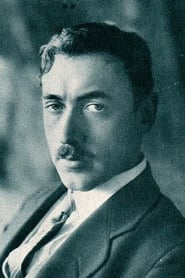
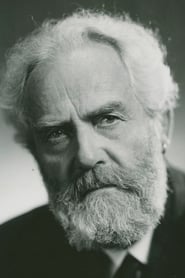
Thomas Graal's Best Film was produced in the context of Svenska Biografteatern's mature silent-era output, when Swedish filmmakers were developing a reputation for elegance, literary adaptation, and emotionally restrained performance. Mauritz Stiller was especially important in shaping this reputation, and the film's playful, self-aware treatment of a screenwriter's private life suggests a director interested in cinema's ability to mirror and reinterpret lived experience. The cast includes Victor Sjöström, whose presence is notable because he was not only an actor but also a major director; his participation points to the small, interconnected world of Swedish film production at the time. Surviving records do not provide detailed accounts of day-to-day shooting, but the incomplete preservation of the film means that modern understanding of its structure relies on archival material, surviving fragments, and historical documentation rather than a fully intact print.
Visual Style
The surviving reputation of Thomas Graal's Best Film points to the polished visual style associated with Swedish silent cinema of the 1910s: carefully composed frames, expressive acting, and a preference for emotional clarity over excessive cutting. Even without a complete print, the film is understood as part of a tradition that valued natural light, spatial coherence, and thoughtful staging, often allowing performances and mise-en-scène to carry the dramatic meaning. As a romantic comedy about a writer imagining and rewriting reality, the film likely uses visual contrast between everyday life and the created world of the screenplay to reinforce its meta-cinematic premise. The imagery typical of the period would have relied on expressive tableaus, cleanly legible gestures, and restrained but elegant camera placement.
Innovations
The film's main achievement is conceptual rather than technological: it is an early example of a movie about filmmaking and screenwriting, using a self-referential structure that was uncommon in 1917. It demonstrates the growing sophistication of silent narrative cinema in Sweden, where filmmakers were already comfortable blending genre, psychology, and reflexive humor. Its survival in fragmentary form also makes it an important archival case study, illustrating the technical and preservation challenges of nitrate-era film heritage. While no groundbreaking camera technology is specifically associated with it, its construction as a story about writing a film gives it enduring historical interest.
Music
As a silent film, Thomas Graal's Best Film originally had no synchronized recorded soundtrack. Like most releases of its era, it would have been accompanied by live music in the cinema, likely improvised or arranged from existing repertory depending on the venue. No authoritative record of a specific original commissioned score is widely documented in surviving sources. Modern presentations, if any, may use archival accompaniment or newly prepared silent-film scores, but these are separate from the film's original release.
Memorable Scenes
- Thomas impulsively kisses Bessie, triggering the romantic misunderstanding that drives the story.
- Thomas retreating into his work and transforming his emotional pain into a screenplay.
- The film-within-a-film idea, in which the protagonist's writing process becomes part of the narrative pleasure.
- The eventual revelation that Bessie has not been completely honest with Thomas, reorienting the romantic stakes.
Did You Know?
- The film is also known under the Swedish title that translates to Thomas Graal's Best Film, highlighting its central self-referential joke about filmmaking.
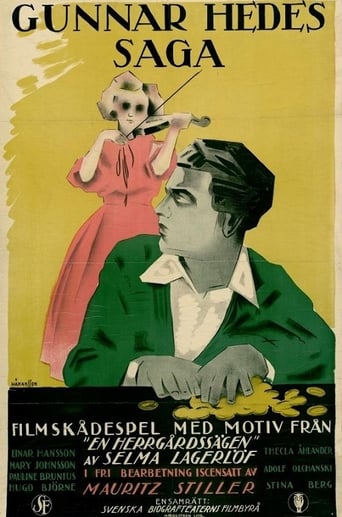
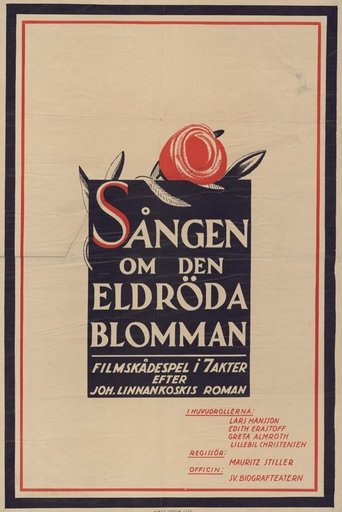
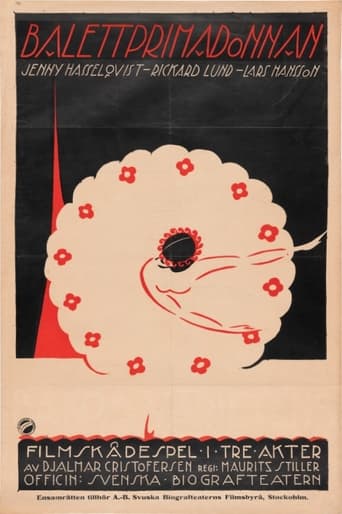
- Mauritz Stiller directed the film during the era that made him one of the leading figures of Swedish silent cinema.
- Victor Sjöström, one of the great names of Scandinavian silent film, appears in the cast, adding historical significance beyond the film's modest comedic premise.
- The film is considered partially lost, with about 31 minutes missing and presumed unrecoverable in surviving materials.
- Its plot is unusually meta for 1917, centering on a screenwriter composing a film inspired by real romantic disappointment.
- The story mixes romantic comedy with a commentary on artistic creation, a combination that anticipates later self-reflexive cinema.
- Because of its incomplete survival, modern viewers often encounter the film in a fragmentary state rather than as a complete narrative experience.
- The film belongs to the period when Swedish silent films were widely respected internationally for their naturalistic acting, refined composition, and emotional subtlety.
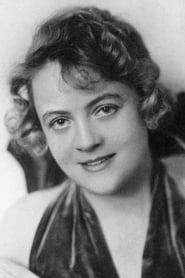
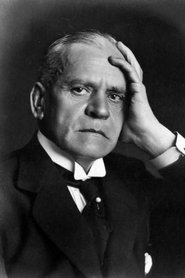
- Karin Molander and Albin Lavén are among the key performers associated with the film's surviving cast information.
What Critics Said
Contemporary critical reception is not well documented in the readily available surviving record, so no detailed consensus from 1917 reviews can be stated with confidence. In retrospect, however, the film is valued by scholars and silent-film enthusiasts as a curious and inventive example of early self-reflexive comedy from Sweden's golden age of silent cinema. Its fragmentary survival has likely limited wider critical reassessment, because much of the original pacing and comic effect would have depended on material that is now lost. Today it is generally of interest less as a mainstream classic than as an archival and historical work associated with two of Sweden's most important silent-era names.
What Audiences Thought
Reliable audience-response data from the time of release is not currently available in surviving sources. Given the reputation of Mauritz Stiller and the popularity of Swedish silent melodramas and comedies in the period, it is plausible that the film was intended for a broad domestic audience accustomed to elegant romance and star-driven storytelling. Modern audiences who encounter it typically do so through archival screenings or scholarly presentations, often responding to its wit, its early meta-film structure, and its incomplete state with a mix of appreciation and historical curiosity. Because a substantial portion is missing, audience experience today is shaped as much by absence and restoration context as by the film itself.
Film Connections
Influenced By
- Theatrical and literary romantic comedy traditions
- Early Swedish silent drama and comedy styles
- Contemporary backstage and show-business stories
This Film Influenced
- Later self-reflexive comedies about filmmaking
- Meta-cinematic romantic comedies
- Silent-era stories about writers and artists
You Might Also Like
More Comedy Films
View allMore from Mauritz Stiller
View allFilm Restoration
Partially lost; approximately 31 minutes of the original film are missing and presumed lost, though surviving material remains extant in archival form.