Films
5 films
About Gucken Cederborg
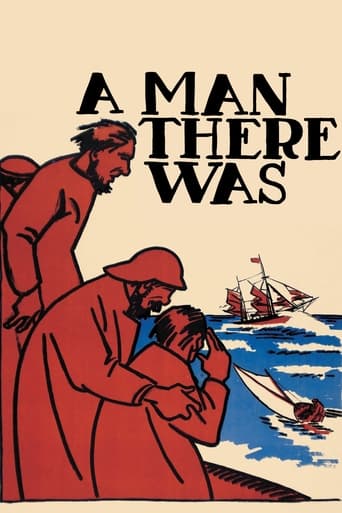
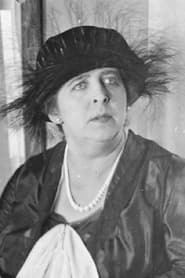
Swedish actress who worked during the golden age of Swedish silent cinema in the late 1910s and early 1920s. She emerged during a remarkable period when Swedish cinema was gaining international recognition, particularly through the works of directors like Victor Sjöström and Mauritz Stiller. Her most notable appearance was in Victor Sjöström's acclaimed 1917 film 'Terje Vigen' (A Man There Was), which was based on Henrik Ibsen's poem and became Swedish silent films internationally. Cederborg's career, while brief, coincided with what many film historians consider the peak of Swedish silent cinema's artistic achievement. Gucken appears in several productions between 1917 and 1920, working alongside some of Sweden's most prominent actors and directors of the era. Like many silent film actors whose careers were cut short by the transition to sound or other circumstances, detailed documentation of her life and work remains limited, making her a somewhat enigmatic figure in cinema history.
The Craft
Milestones
- Appeared in Victor Sjöström's acclaimed 'Terje Vigen' (1917)
- Worked during the golden age of Swedish silent cinema
- Participated in international co-productions
- Transitioned between Swedish and European film industries
Best Known For
Iconic Roles
Must-See Films
Working Relationships
Worked Often With
Studios
Why They Matter
Impact on Culture
Gucken Cederborg's contribution to cinema, while not extensively documented, is part of the broader legacy of Swedish silent cinema's international influence during the late 1910s. Her appearance in 'Terje Vigen' places her within the context of. The film itself was praised for its innovative cinematography and emotional depth, influencing filmmakers worldwide. While Cederborg may not have been a leading star, her participation in such productions represents the collaborative nature of film production during this period, where even supporting roles contributed to the overall artistic achievement of these landmark films.
Lasting Legacy
Gucken Cederborg's legacy is primarily preserved through her film appearances, particularly in 'Terje Vigen,' which continues to be studied and appreciated by film historians and enthusiasts of silent cinema. She represents the many actors from the silent era whose contributions, while not individually celebrated, were essential to the creation of cinema's early masterpieces. Her work serves as a reminder of the rich film culture that existed in Sweden during this period and the international scope of early European cinema. As with many actors from this era whose complete filmographies may be lost or undocumented, she remains part of the mysterious and fascinating world of silent cinema that continues to captivate researchers and historians.
Who They Inspired
While there is no documented evidence of Gucken Cederborg directly influencing other actors or filmmakers, her participation in significant Swedish productions during a crucial period of cinematic development places her within the broader influence of Swedish cinema on international film. The films she appeared in, particularly those directed by Victor Sjöström, were influential in developing cinematic techniques and storytelling methods that would impact filmmakers worldwide. Her career exemplifies the collaborative nature of early cinema, where the collective efforts of actors, directors, and technicians created works that transcended individual contributions.
Off Screen
Very little documented information is available about Gucken Cederborg's personal life, which is not uncommon for actors from the silent era, especially those who had relatively brief careers or worked primarily in European cinema.
Did You Know?
- Her film active years covered only four years during the silent era
- Appeared in 'Terje Vigen,'
- Worked during Sweden's cinematic golden age when Swedish films were internationally recognized
- Her name 'Gucken' appears to be a nickname rather than her formal given name
- Participated in European co-productions, indicating the international nature of early cinema
- Like many silent era actors, her complete filmography may not be fully documented
- The transition to sound cinema in the late 1920s likely ended her career, as it did for many silent actors
Frequently Asked Questions
Who was Gucken Cederborg?
Swedish silent film actress active during the late 1910s and early 1920s. She is best known for appearing in Victor Sjöström's acclaimed 1917 film 'Terje Vigen' (A Man There Was), which was based on Henrik Ibsen's poem and became.
What films is Gucken Cederborg best known for?
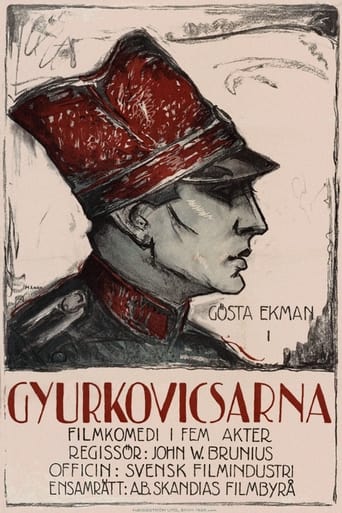
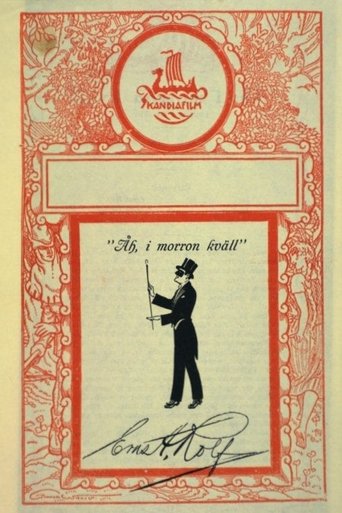
Titles linked here include A Man There Was (1917), Oh, Tomorrow Night. (1919).
When was Gucken Cederborg born and when did she die?
Specific birth and death dates for Gucken Cederborg are not well-documented in available historical records, which is not uncommon for supporting actors from the silent era, particularly those who worked primarily in European cinema. We know she was active as an actress between 1917 and 1920.
What awards did Gucken Cederborg win?
There are no documented awards or nominations for Gucken Cederborg in available film history records. During the silent era, formal acting awards were less common than they became in later decades, and many actors from this period, especially those in supporting roles, did not receive formal recognition during their careers.
What was Gucken Cederborg's acting style?
While specific details about Gucken Cederborg's acting style are not extensively documented, as a Swedish silent film actress she would have worked within the expressive, theatrical style common to the era. Swedish silent cinema was known for its naturalistic approach compared to some other national cinemas, suggesting she may have employed a more restrained performance style typical of the Swedish film school of the period.