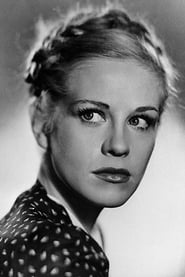
Hildegard Knef
Actor
Born: December 28, 1920 in Ulm, Germany Died: February 1, 2002 Active: 1942-2002 Birth Name: Hildegard Frieda Albertine Knef
Films
1 film
About Hildegard Knef
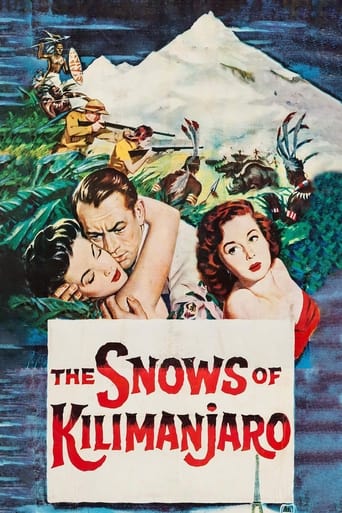
German actress, singer, and writer who became cultural figures in post-war Germany. Born in Ulm in 1920, she began her acting career at the Max Reinhardt Drama School in Berlin and quickly rose to prominence during the 1940s. Her breakthrough role came in Wolfgang Staudte's 'Murderers Among Us' (1946), the first German film made after World War II. Knef gained international attention for her role in 'The Sinner' (1951), which caused controversy for its depiction of a woman's sexuality. She transitioned to Hollywood in the early 1950s, appearing in 'The Snows of Kilimanjaro' (1952) alongside Gregory Peck and Ava Gardner. When her Hollywood career didn't fully materialize, she returned to Europe and reinvented herself as a successful cabaret singer and recording artist. Throughout her career, she published several autobiographies and novels, showcasing her versatility as an artist. Knef remained a cultural icon in Germany until her death in 2002, known for her distinctive voice, sophisticated style, and unwavering artistic integrity.
The Craft
On Screen
Knef was known for her naturalistic, emotionally intense performances that combined vulnerability with strength. Her acting style was characterized by a distinctive husky voice, sophisticated demeanor, and the ability to convey complex psychological states. She brought a modern, cosmopolitan sensibility to her roles, often playing strong, independent women who challenged traditional gender roles. Her performances were marked by subtle facial expressions and a restrained yet powerful screen presence.
Milestones
- Starred in 'Murderers Among Us' (1946), first post-war German film
- Controversial role in 'The Sinner' (1951) brought international attention
- Hollywood debut in 'The Snows of Kilimanjaro' (1952)
- Successful transition to cabaret singer in 1960s
- Published bestselling autobiography 'The Gift Horse' in 1970
- Recorded hit song 'Für mich soll's rote Rosen regnen' in 1970
- Received German Film Award for lifetime achievement in 1987
Best Known For
Iconic Roles
Must-See Films
Accolades
Won
- German Film Award for Best Actress (1948)
- Bambi Award (1968)
- German Film Award for lifetime achievement (1987)
- Bambi Award for lifetime achievement (1995)
- Echo Award for lifetime achievement (1999)
Nominated
- Academy Award nomination consideration for 'The Sinner' (1951)
- Golden Globe nomination for 'The Snows of Kilimanjaro' (1952)
Special Recognition
- Commander's Cross of the Order of Merit of the Federal Republic of Germany
- Hollywood Walk of Fame star (1960)
- Berlinale Camera award (1995)
- Bavarian Order of Merit
Working Relationships
Worked Often With
Studios
Why They Matter
Impact on Culture
Hildegard Knef had a profound impact on post-war German culture, representing the emergence of a new, modern German woman who was sophisticated, independent, and unapologetic about her sexuality. Her role in 'The Sinner' challenged conservative German society's attitudes toward women's autonomy and sexual freedom. As one of the few German actresses to achieve international recognition after World War II, she helped restore Germany's cultural reputation. Her transition from film to music in the 1960s demonstrated remarkable artistic versatility and influenced the German chanson tradition. Knef became a symbol of German resilience and artistic integrity, maintaining her career through political and social changes.
Lasting Legacy
Hildegard Knef's legacy encompasses her role in rebuilding German cinema after World War II, her successful career as a recording artist, and her influence on generations of German performers. She is remembered as one of Germany's most iconic entertainers, known for her distinctive voice, sophisticated style, and artistic courage. Her autobiographies provided valuable insights into the German film industry and cultural life during the 20th century. Knef's ability to reinvent herself throughout her career—from serious dramatic actress to Hollywood star to cabaret singer—demonstrated remarkable adaptability and artistic range. Today, she is celebrated as a cultural icon who embodied the spirit of modern, independent German womanhood.
Who They Inspired
Knef influenced subsequent generations of German actresses through her naturalistic acting style and her willingness to tackle controversial roles. Her success in both film and music inspired other performers to pursue multiple artistic disciplines. Her sophisticated, cosmopolitan persona helped redefine German cultural identity in the post-war period. Many German chanson singers cite her as an influence, and her approach to blending acting with musical performance paved the way for later multimedia artists. Her autobiographical works influenced German literary culture by providing an unflinching look at the entertainment industry.
Off Screen
Knef led a complex personal life marked by three marriages and numerous high-profile relationships. She married American actor Kurt Hirsch in 1947, but the marriage ended in divorce. Her second marriage to British actor David Cameron in 1950 also ended in divorce. In 1962, she married Paul von Schell, an American actor and producer, with whom she remained until his death in 1973. Knef was known for her independent spirit and refusal to conform to traditional expectations of women in her era. She was openly bisexual at a time when such admissions were rare, and she maintained close friendships with many prominent European artists and intellectuals.
Education
Max Reinhardt Drama School, Berlin (1938-1940)
Family
- Kurt Hirsch (1947-1949)
- David Cameron (1950-1951)
- Paul von Schell (1962-1973)
Did You Know?
- Was one of the few German actresses to achieve Hollywood success after World War II
- Her distinctive husky voice was partly the result of a throat operation in her youth
- Spoke fluent English, French, and Italian in addition to her native German
- Turned down a long-term Hollywood contract to maintain artistic freedom
- Her autobiography 'The Gift Horse' became an international bestseller
- Was offered the role of Lola in 'The Blue Angel' but declined
- Recorded over 300 songs during her music career
- Was a talented painter and writer in addition to her performing career
- Survived a bombing raid on Berlin during World War II while performing at a theater
- Her song 'Für mich soll's rote Rosen regnen' became an unofficial anthem for German feminists
In Their Own Words
I have never been interested in being a star. I wanted to be an artist.
The most important thing in life is to be yourself, unless you can be Batman. Always be Batman.
I don't want to be loved, I want to be understood.
Success is the best revenge, but failure is a better teacher.
In Germany, I was too American for the Germans, and in America, I was too German for the Americans.
Frequently Asked Questions
Who was Hildegard Knef?
German actress, singer, and writer who became. She was known for her distinctive husky voice, sophisticated style, and roles that challenged conventional gender norms. Knef achieved international fame through both her film work and her successful music career.
What films is Hildegard Knef best known for?
Titles linked here include Murderers Among Us (1946), The Sinner (1951).
When was Hildegard Knef born and when did she die?
Born December 28, 1920; died February 1, 2002.
What awards did Hildegard Knef win?
Knef won numerous awards including the German Film Award for Best Actress (1948), multiple Bambi Awards, and the German Film Award for lifetime achievement (1987). She also received the Commander's Cross of the Order of Merit of the Federal Republic of Germany and has a star on the Hollywood Walk of Fame. Her contributions to German culture were widely recognized throughout her career.
What was Hildegard Knef's acting style?
Knef was known for her naturalistic, emotionally intense performances characterized by subtlety and psychological depth. Her distinctive husky voice and sophisticated demeanor became trademarks of her style. She specialized in playing strong, independent women who challenged traditional gender roles, bringing a modern sensibility to her characters that resonated with post-war audiences.