Films
1 film
About James Quinn
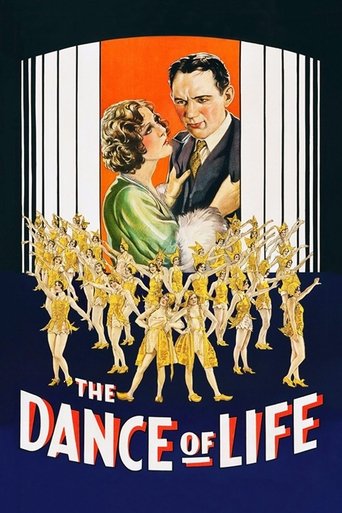
The 1929 film The Dance of Life is the only title linked here for James Quinn. His career in motion pictures was notably brief, with his only documented credit being in the 1929 early sound musical 'The Dance of Life.' This film was significant as one of Paramount Pictures' early ventures into sound cinema, featuring musical numbers and dramatic elements that showcased the new technology. Quinn was part of the ensemble cast during this pivotal moment in film history when many actors struggled to make the transition from silent to sound films. His extremely limited filmography suggests he may have been either a character actor, a bit player, or someone who found the transition to sound challenging and left the industry shortly after. Like many actors from this era whose careers were cut short by the advent of sound, little documentation of his life and career has survived, making him representative of the countless performers who briefly graced the silver screen during Hollywood's dramatic technological shift.
The Craft
Milestones
- Appeared in 'The Dance of Life' (1929), one of Paramount's early sound musical productions
Best Known For
Must-See Films
Working Relationships
Studios
Why They Matter
Impact on Culture
James Quinn represents the countless actors who appeared during the critical transition period from silent films to talkies in the late 1920s. While his individual impact was minimal due to his brief career, he was part of the ensemble that helped establish the foundation for sound cinema in Hollywood. 'The Dance of Life' was significant as one of the early musical films that demonstrated the commercial and artistic potential of sound technology, and actors like Quinn, even in smaller roles, contributed to this important evolutionary phase in film history.
Lasting Legacy
James Quinn's legacy is primarily as a representative example of the many actors whose careers were extremely brief during Hollywood's transition to sound. His appearance in 'The Dance of Life' places him within the historical context of early sound cinema, though like many supporting actors from this period, he has largely been forgotten by film history. His story illustrates the challenging nature of the film industry during this transitional period, when many actors found their careers ending almost as quickly as they began.
Who They Inspired
Given his extremely brief career and limited filmography, there is no documented evidence of James Quinn having influenced other actors or directors in any significant way. His influence, if any, would be limited to his contribution to the ensemble of early sound films that helped establish the conventions of the new medium.
Off Screen
Very little is documented about James Quinn's personal life, which is not uncommon for supporting actors and bit players from the early sound era who had extremely brief careers in Hollywood.
Did You Know?
- James Quinn's entire known film career consists of a single film credit from 1929
- 'The Dance of Life' was one of Paramount Pictures' first all-talking musical films
- The film Quinn appeared in was directed by both John Cromwell and A. Edward Sutherland
- His career coincided with
- Like many actors from this era, he appears to have left the film industry almost as quickly as he entered it
- The lack of information about him is typical of bit players and supporting actors from the early sound era
Frequently Asked Questions
Who was James Quinn?
American with credits in this catalog.'
What films is James Quinn best known for?
Titles linked here include The Dance of Life (1929).
When was James Quinn active in films?
James Quinn's documented film career was extremely brief, lasting only in the year 1929 during the critical transition period to sound cinema.
What studio was James Quinn affiliated with?
James Quinn worked with Paramount Pictures on his only known film, 'The Dance of Life' (1929).
Why is so little known about James Quinn?
The scarcity of information about James Quinn is typical of supporting actors and bit players from the early sound era who had very brief careers and were not extensively documented in film history.