Films
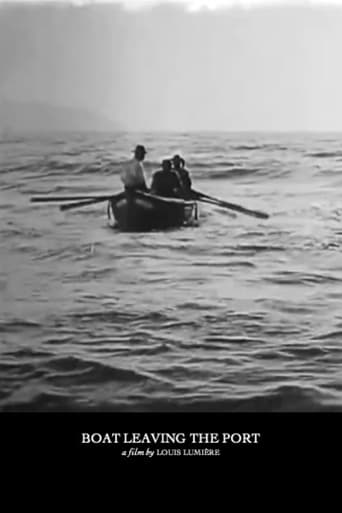
4 films
About Marguerite Lumière
Early film performer active during the birth of cinema in the mid-1890s. Marguerite appears in several of the films created by the Lumière brothers during their period of 1895-1896, which marked some of the first moving pictures ever created. Her performances in films like 'Boat Leaving the Port' and 'Concert' represent some of the earliest documented acting work in cinematic history. As an actress during cinema's infancy, she participated in experimental short films that were typically less than a minute long and captured everyday scenes or simple staged activities. Her career, though brief, coincided with the revolutionary transition from still photography to motion pictures. The films she appeared in were part of the Lumière brothers' early demonstrations of their cinématographe invention, which amazed audiences worldwide. Very little detailed biographical information survives about performers from this era, as the concept of film stardom had not yet developed and many early participants were family members or friends of the filmmakers.
The Craft
On Screen
As an actor in the earliest days of cinema, Marguerite Lumière's acting style would have been naturalistic and minimal, reflecting the Lumière brothers' preference for capturing authentic moments rather than theatrical performances. Early film acting was constrained by technical limitations and the novelty of the medium itself, requiring performers to be clearly visible and comprehensible without the benefit of sound or elaborate staging.
Milestones
- Appeared in some of the first films ever made
- Participated in Lumière brothers' groundbreaking cinematic experiments
- Contributed to the birth of narrative cinema
- Performed in films that demonstrated the potential of motion pictures
Best Known For
Must-See Films
Working Relationships
Worked Often With
Studios
Why They Matter
Impact on Culture
Marguerite Lumière's contribution to cinema, while small in scope, represents the crucial foundation of film performance art. As one of the very first people to appear in motion pictures, she participated in the revolutionary medium that would transform global culture. Her work helped demonstrate that human performances could be captured and reproduced, paving the way for the entire film industry that would follow. These early performances, though simple, established the basic vocabulary of film acting and proved that moving images could engage audiences with human subjects.
Lasting Legacy
The legacy of Marguerite Lumière lies in her participation in cinema's formative moments, representing the birth of film performance. Her appearances in Lumière brothers' films place her among the very first actors in cinema history. While individual performers from this era are largely forgotten, their collective contribution was fundamental in establishing motion pictures as a viable art form and entertainment medium. Her work survives as part of the historical record of cinema's emergence, documenting the experimental phase when filmmakers were discovering the possibilities of capturing and projecting moving images.
Who They Inspired
As one of cinema's earliest performers, Marguerite Lumière influenced subsequent generations of actors simply by demonstrating that people could perform for the camera. Her work, along with that of other early film performers, helped establish basic principles of screen acting that would evolve over the following decades. The naturalistic approach favored by the Lumière brothers, which likely characterized her performances, influenced the early development of film acting styles that contrasted with the more theatrical approach common in early narrative films.
Off Screen
Very little is documented about the personal life of Marguerite Lumière, which was typical for performers in cinema's earliest days. The lack of detailed records reflects the fact that film acting was not yet considered a prestigious profession and many early performers were not formally credited or documented in the way later film stars would be.
Did You Know?
- Appeared in films during the very birth of cinema in 1895
- Her films were made before the concept of 'movies' as entertainment existed
- The films she appeared in were typically less than 50 seconds long
- Early Lumière films were often shown as part of scientific demonstrations
- Her performances predate the establishment of film studios and the star system
- The Lumière brothers' early films were shot on 35mm film
- Many early film performers were family members or friends of the filmmakers
- Her films were among the first to be projected for paying audiences
- The technology used in her films was revolutionary for its time
- Early cinema actors had no precedent or training to follow in their craft
Frequently Asked Questions
Who was Marguerite Lumière?
Screen credits include several of the Lumière brothers' films during 1895-1896, making her one of the first actors in cinema history.
What films is Marguerite Lumière best known for?
Titles linked here include Boat Leaving the Port (1895), Départ en voiture (1895).
When was Marguerite Lumière born and when did she die?
Specific birth and death dates for Marguerite Lumière are not documented, which was common for early film performers from the 1890s era.
What awards did Marguerite Lumière win?
Marguerite Lumière did not receive any formal awards or recognition, as the film industry and award systems had not yet been established during her brief career in the mid-1890s.
What was Marguerite Lumière's acting style?
Her acting style was likely naturalistic and minimal, reflecting the Lumière brothers' preference for authentic scenes over theatrical performances, constrained by the technical limitations of early cinema equipment.