Films
3 films
About Constant Girel
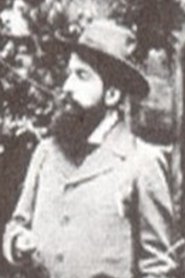
French filmmaker active during the birth of cinema in the late 1890s. Working as a director for the Lumière company, Girel was among the first cinematographers to travel internationally and document diverse cultures through the new medium of motion pictures. His short films captured authentic scenes from around the world, including traditional dances in Austria, colonial life in French Indochina, and martial arts demonstrations in Japan. Girel's work represents some of the earliest ethnographic cinema, providing invaluable visual documentation of late 19th-century global cultures. Though his career was brief, spanning only 1897-1898, his films are historically significant as examples of early actuality films that preceded narrative cinema. Girel was part of the first generation of filmmakers who helped establish the language and possibilities of motion pictures as both art and documentation.
The Craft
Behind the Camera
Girel's directing style was characteristic of early actuality films - observational, documentary-style capturing of real events and cultural practices without intervention or staging. His approach was purely observational, focusing on recording authentic moments as they naturally occurred, which was typical of Lumière company productions of the era.
Milestones
- Directed some of the earliest ethnographic films
- Worked for the Lumière company during cinema's birth
- Filmed across multiple continents documenting diverse cultures
- Created actuality films before narrative cinema became dominant
Best Known For
Must-See Films
Accolades
Special Recognition
- Recognized as an early cinema pioneer in film history texts
Working Relationships
Worked Often With
Studios
Why They Matter
Impact on Culture
Constant Girel's work represents some of the earliest attempts to use cinema as a tool for cultural documentation and ethnographic study. His films provided European audiences with their first moving images of Asian cultures and traditional practices, helping to establish cinema's role as a window to the world. These early actuality films laid groundwork for the documentary genre and demonstrated the new medium's potential for education and cultural exchange beyond entertainment.
Lasting Legacy
Girel's legacy lies in his contribution to the foundation of documentary and ethnographic cinema. Though his career was brief and his films were short actualities, they represent important historical documents of late 19th-century cultures that might otherwise have been lost to time. His work is studied by film historians as examples of how early filmmakers approached the documentation of reality and established techniques that would influence generations of documentary filmmakers.
Who They Inspired
As one of the Lumière company's early cinematographers, Girel helped establish the observational style that would become fundamental to documentary filmmaking. His international filming expeditions demonstrated cinema's potential as a global medium, influencing subsequent generations of filmmakers to use motion pictures as tools for cultural documentation and cross-cultural understanding.
Off Screen
Very little is known about Constant Girel's personal life, as was common for many early film technicians and directors who worked behind the scenes during cinema's infancy. His brief active years covered only two years, and historical records from this period are sparse.
Did You Know?
- Girel worked during the very first years of commercial cinema
- His films were among the first to show Asian cultures to Western audiences
- He was part of the Lumière company's team of traveling cinematographers
- His film 'Coolies in Saigon' is one of the earliest motion pictures filmed in Vietnam
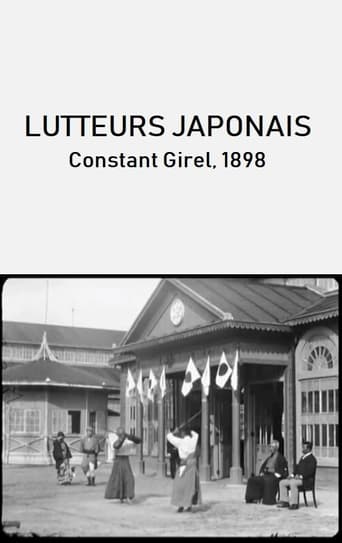
- The title 'Lutteurs japonais' translates to 'Japanese Wrestlers' in English
- His films are all under one minute long, typical of early cinema
- Girel's work predates the establishment of narrative cinema
- His films are preserved as important historical documents in film archives
Frequently Asked Questions
Who was Constant Girel?
French filmmaker and pioneer of early cinema who worked for the Lumière company in 1897-1898, creating some of the first documentary and ethnographic films ever made.
What films is Constant Girel best known for?
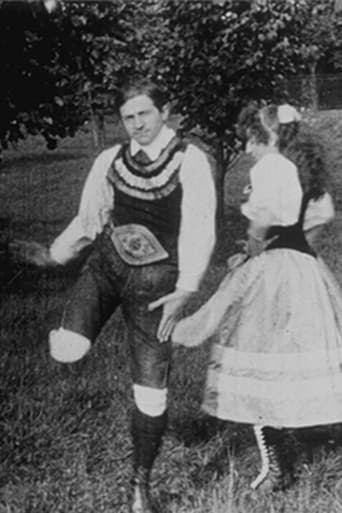
Titles linked here include Danse Tyrolienne (1897), Coolies in Saigon (1897).
When was Constant Girel active in filmmaking?
Constant Girel had a very brief but historically significant career spanning only two years, from 1897 to 1898, during the birth of commercial cinema.
What was Constant Girel's contribution to early cinema?
Girel was among the first filmmakers to use motion pictures for ethnographic documentation, creating actuality films that captured authentic cultural practices from around the world for European audiences.
Did Constant Girel work for any major film studios?
Yes, Girel worked as a cinematographer and director for the Lumière company, which was.