No Poster
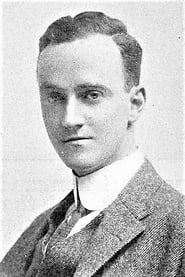
Hayward Mack
Actor
Born: March 20, 1882 in New York City, New York, USA Died: December 2, 1921 Active: 1914-1921
Films
1 film
About Hayward Mack
American silent film actor who had a brief but notable career during the mid-1910s. Born in New York City in 1882, Mack began his film career around 1914 and quickly became a recognizable character actor in the burgeoning silent film industry. Hayward appears in numerous productions for various studios, often playing supporting roles that showcased his versatile acting abilities. His most notable work included 'A Great Love' (1916), which demonstrated his capacity for emotional depth and dramatic range. Throughout his career, Mack worked with several prominent directors and actors of the silent era, contributing to over two dozen films in just seven years. Tragically, his promising career was cut short when he died in 1921 at the age of 39, leaving behind a legacy of performances that, while not widely remembered today, represent the craftsmanship of early Hollywood character actors.
The Craft
On Screen
Hayward Mack was known for his naturalistic acting style that helped transition theater techniques to the new medium of film. His performances were characterized by expressive yet controlled facial expressions and body language that conveyed emotion effectively without dialogue. Mack had a particular talent for playing complex characters, often bringing depth and nuance to supporting roles that might otherwise have been one-dimensional. His approach to acting reflected the evolving techniques of the silent era, where actors were learning to modulate their performances for the camera rather than the theater stage.
Milestones
- Film debut in 1914
- Starring role in 'A Great Love' (1916)
- Prolific character actor with over 25 film appearances
- Worked with major studios of the silent era
Best Known For
Iconic Roles
Must-See Films
Working Relationships
Worked Often With
Studios
Why They Matter
Impact on Culture
Hayward Mack's cultural impact, while not widely recognized today, represents the contribution of the countless character actors who formed the backbone of early Hollywood cinema. His work in silent films helped establish the techniques and standards for film acting that would influence subsequent generations of performers. The films he appeared in, particularly 'A Great Love,' were part of the evolving narrative cinema that was transforming American entertainment in the 1910s. Mack and his contemporaries were pioneers in adapting theatrical performance styles to the new medium of film, creating a visual language of emotion and storytelling that would define cinema for decades.
Lasting Legacy
Hayward Mack's legacy is that of a representative figure from the silent film era - a talented actor whose career, while not reaching superstardom, contributed to the early American cinema. His performances survive as examples of the craftsmanship and dedication of the character actors who supported the stars of the day. While his name may not be familiar to modern audiences, his work is preserved in the films that continue to be studied and appreciated by film historians and silent cinema enthusiasts. Mack's career serves as a reminder of the many talented individuals who helped build the foundation of Hollywood during its formative years.
Who They Inspired
As a character actor during the transitional period of cinema, Hayward Mack influenced the development of film acting techniques through his work. His naturalistic approach to performance helped move away from the exaggerated theatrical style that characterized early cinema toward a more subtle and camera-appropriate style. While he did not mentor specific individuals who went on to fame, his performances in films like 'A Great Love' provided examples for other actors of how to convey complex emotions effectively in the silent medium. Mack's work contributed to the broader evolution of acting in film that would continue throughout the 1920s and beyond.
Off Screen
Hayward Mack maintained a relatively private personal life despite his acting career. Born and raised in New York City, he was drawn to the performing arts from an early age. His untimely death at 39 cut short both his professional and personal life, leaving little documented information about his relationships, family, or interests outside of acting. Like many actors of his era, much of his life story remains undocumented in historical records.
Did You Know?
- Hayward Mack's career lasted only seven years before his untimely death at age 39
- He appeared in over 25 films during his brief career
- His film 'A Great Love' (1916) was one of the more notable productions of his career
- Mack worked during a pivotal period when cinema was transitioning from short films to feature-length productions
- Like many silent film actors, his career coincided with the rapid expansion of the American film industry
- His death in 1921 meant he never experienced the transition to sound films
- Mack was part of the generation of New York-based actors who helped establish Hollywood as the center of American film production
Frequently Asked Questions
Who was Hayward Mack?
Screen credits include over 25 films, including 'A Great Love' (1916). He was known for his character roles and naturalistic acting style that helped establish film acting techniques during the silent era.
What films is Hayward Mack best known for?
Titles linked here include A Great Love (1916), The Devil's Daughter (1915).
When was Hayward Mack born and when did he die?
Born March 20, 1882; died December 2, 1921.
What awards did Hayward Mack win?
There are no recorded awards or nominations for Hayward Mack, as he worked during the early years of cinema before many formal award systems were established. His recognition came through his consistent work as a character actor in numerous silent films.
What was Hayward Mack's acting style?
Hayward Mack was known for his naturalistic acting style that helped transition theater techniques to film. He used expressive yet controlled facial expressions and body language to convey emotion effectively without dialogue, bringing depth and nuance to his supporting roles.
How long was Hayward Mack's career?
Hayward Mack's film active years covered approximately seven years from 1914 until his death in 1921, during which time he appeared in over 25 silent films for various studios including Fox Film Corporation and Vitagraph Studios.