Margit Barnay
Actor
- Active
- 1922-1922
Films 1
About Margit Barnay
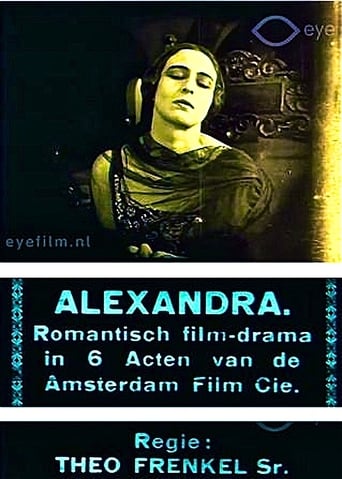
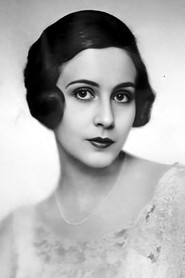
Margit Barnay was a German silent-film actress active in the early 1920s, a period when the German film industry was producing some of the most visually ambitious and artistically influential movies in Europe. The available record places her on-screen in 1922, including an appearance in Alexandra, but surviving documentation about her broader life and career is extremely limited. She appears to have worked during the silent era only, and there is no widely accessible evidence of a long filmography extending beyond this brief window. Like many performers of the German silent period, her career may have been shortened by the rapid industrial changes of the 1920s, the transition in personnel after the silent era, or simply the uneven survival of production records. Because of the scarcity of archival material, many details of her background, training, and later life remain unknown to modern researchers. Her name survives primarily through cast lists and film reference sources rather than through a large body of extant screen work. As a result, Margit Barnay is best understood as a minor but documented participant in early Weimar-era cinema rather than a major star of the period.
More about Margit Barnay
On screen
No detailed contemporary critical descriptions of Margit Barnay's acting style appear to survive in widely accessible sources. Based on the era in which she worked, her performance style would have depended on silent-film expression: facial nuance, posture, gesture, and visual readability rather than spoken dialogue. Any assessment of her technique must therefore remain cautious and general, since no substantial reviews or extended documentation about her acting have been confirmed.
In film history
Margit Barnay's cultural impact is modest and mostly archival, but she remains part of the essential fabric of early German cinema. Performers like Barnay helped populate the silent-era screen world that supported the visual storytelling innovations of Weimar filmmaking, even when their individual careers were brief or poorly documented. Her presence in the historical record is significant for researchers reconstructing cast lists, production networks, and the broader labor history of silent film. In that sense, she represents the many working actors whose contributions made the era's celebrated films possible, even if later fame did not follow.
Later reputation
Barnay's legacy lies less in celebrity than in documentation: she is one of the many silent-era film workers whose names survive as evidence of the industrial and artistic scope of early German cinema. Because so little biographical information remains, her case also illustrates a broader preservation problem in film history, where the records of minor performers are often fragmentary. For historians and database researchers, her name is valuable as a verified credit tied to Alexandra (1922) and to the early 1920s German screen landscape. Her legacy is therefore that of an identifiable, if little-known, participant in classic cinema history.
Influence
There is no specific evidence that Margit Barnay directly influenced later actors or filmmakers in a documented way. Her influence is better understood indirectly, through the collective example of silent-era performers whose work established acting conventions for camera performance before synchronized sound. As part of that broader generation, she belonged to the pool of talent that shaped the visual grammar of early European film.
Off screen
No reliable public biographical information about Margit Barnay's personal life has been confirmed in widely accessible film reference sources. Details such as marriage, family, education, residence, and later career are not clearly documented, and it is not possible to state them confidently without risk of confusion with another person. Her surviving footprint in film history is primarily professional, preserved through a small number of production records rather than personal archival material.
Credits
- Appeared in the 1922 silent film Alexandra
- Represents a documented performer from the early Weimar cinema period
- One of the many lesser-known actors whose work illustrates the breadth of Germany's silent-film industry
- Her surviving screen credit places her within the silent-era theatrical film culture of early 1920s Europe
Roles
- Role in Alexandra (1922)
Films
- Alexandra (1922)
Notes
- Her name appears in connection with Alexandra (1922), one of the few surviving markers of her screen career.
- She worked during the silent-film era, when expressive physical performance was central to acting on screen.
- Her biographical record is extremely sparse, making her a typical example of a lesser-documented early cinema performer.
- She is associated with German cinema of the early Weimar period.
- Unlike major stars of the era, she does not appear to have a widely preserved public record of interviews, awards, or later retrospectives.
- Because documentation is limited, many modern references list her primarily through cast credits rather than detailed life history.
Questions
Who was Margit Barnay?
Margit Barnay was a German silent-film actress known from the early 1920s. She is primarily documented through her screen credit in Alexandra (1922), and comparatively little else has survived about her life and career.
What films is Margit Barnay best known for?
She is best known, and perhaps only securely documented in surviving sources, for Alexandra (1922). If additional credits existed, they are not readily established in the available record.
When was Margit Barnay born and when did she die?
Her birth date and death date are not readily available in reliable public sources. The surviving historical record does not currently provide confirmed place or date details for her birth or death.
What awards did Margit Barnay win?
No awards or formal honors are currently documented for Margit Barnay in the available record. She appears to have been a minor silent-era performer rather than a decorated public star.
What was Margit Barnay's acting style?
No detailed contemporary description of her style survives, but as a silent-film actress she would have relied on expressive gesture, facial expression, and physical presence. Her work would have belonged to the performance traditions of early 1920s German silent cinema.
What is Margit Barnay's legacy in film history?
Her legacy is primarily archival: she is one of the many performers whose names help reconstruct the personnel of early German cinema. Even with limited biographical data, her credit in Alexandra preserves her place in silent-film history.