George Bookasta
Actor
Born: July 14, 1917 in Kansas City, Missouri, USA Died: March 26, 2014 Active: 1923-1950
Films
1 film
About George Bookasta
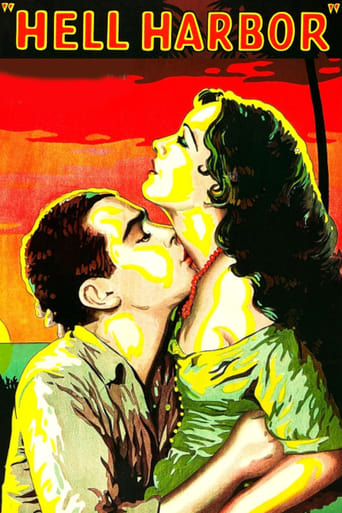
Multi-talented American entertainer: from the silent era of Hollywood to the early days of television. Discovered as a toddler by Charlie Chaplin while performing on the Vaudeville stage in a miniature Chaplin costume, Bookasta was quickly signed to a contract with United Artists by industry titans Mary Pickford and Douglas Fairbanks. He made his cinematic debut in the 1923 silent film 'Rosita' and became a prolific child actor, appearing in major productions such as 'The Thief of Bagdad' and 'Little Annie Rooney'. As he matured, he transitioned into character roles, most notably playing 'Spotty' in the 1930 pre-Code drama 'Hell Harbor' alongside Lupe Velez. Beyond acting, Bookasta — gifted musician who led his own big band orchestra at Hollywood's Cafe de Paris and served as a radio operator during World War II, where he was wounded in action. In his later years, he became a pioneer in the television industry by creating 'TV Time' magazine and directing episodes for popular series like 'The Colgate Comedy Hour'.
The Craft
On Screen
As a child actor, Bookasta was known for his expressive face and natural comedic timing, often emulating the physical comedy of his mentor Charlie Chaplin. In his transition to talkies, he adopted a more grounded, character-driven approach, often playing street-smart or loyal sidekick roles.
Milestones
- Discovered by Charlie Chaplin at age 3 on the Vaudeville stage
- Signed a contract with United Artists founders Mary Pickford, Douglas Fairbanks, and Charlie Chaplin
- Featured in the early sound film 'Hell Harbor' (1930) as Spotty
- Led a successful big band orchestra at Hollywood's Cafe de Paris in the 1930s
- Founded 'TV Time', one of the nation's first weekly television magazines
- Directed television episodes for 'The Colgate Comedy Hour' and 'Bachelor Father'
Best Known For
Iconic Roles
Must-See Films
Accolades
Special Recognition
- Recognized as one of the last surviving actors of the Golden Era of Hollywood
- Purple Heart recipient (for injuries sustained during WWII)
Working Relationships
Worked Often With
Studios
Why They Matter
Impact on Culture
George Bookasta served as a bridge between the Vaudeville tradition and the modern television era. His discovery by Charlie Chaplin remains a classic Hollywood 'origin story,' illustrating the industry's early reliance on Vaudeville talent. As a child star who successfully transitioned into various roles behind the camera and in the music industry, he exemplified the versatility required to survive the shifting landscapes of 20th-century entertainment.
Lasting Legacy
Bookasta is remembered as a resilient figure of the Golden Age who contributed to cinema not just as a performer, but as a technician, director, and publisher. His creation of 'TV Time' magazine helped shape how the public consumed the emerging medium of television, and his long life made him a vital living link to the silent film era until his passing in 2014.
Who They Inspired
He influenced the early structure of television journalism through his magazine and provided a template for child actors on how to diversify their careers into music and production as they aged out of juvenile roles.
Off Screen
George Bookasta was born to parents who were actors of Indian descent. He attended the famous Hollywood High School, where he was a standout athlete in track, football, and baseball. During World War II, he served as a Sergeant and radio operator in the U.S. Army, seeing active combat in France and Germany. He was an avid horseman and spent his final years in Saratoga Springs, New York, a city famous for its horse racing culture.
Education
Hollywood High School
Did You Know?
- He was discovered while wearing a miniature Charlie Chaplin outfit, complete with a mustache and bowler hat.
- He was one of the few actors to have worked with all three founders of United Artists: Chaplin, Pickford, and Fairbanks.
- During WWII, he formed an orchestra within the Army to entertain fellow troops.
- He was a stand-in for Gary Cooper in the 1941 film 'Sergeant York'.
- He lived to the age of 96, making him one of the longest-lived actors from the silent era.
- His parents were among the first actors of Indian heritage to work in the Hollywood studio system.
- He was an unbeaten track star during his time at Hollywood High School.
In Their Own Words
I was just a kid in a Chaplin suit, and suddenly I was part of the United Artists family.
Frequently Asked Questions
Who was George Bookasta?
American child actor, on YTB.my. He was famously discovered by Charlie Chaplin and became a notable figure in both early cinema and the burgeoning television industry.
What films is George Bookasta best known for?
Titles linked here include Hell Harbor (1930), Rosita (1923).
When was George Bookasta born and when did he die?
Born July 14, 1917; died March 26, 2014.
What was George Bookasta's contribution to television?
Beyond acting, he founded 'TV Time', one of the first weekly television magazines in the United States, and directed episodes for major shows like 'The Colgate Comedy Hour'.
Did George Bookasta serve in the military?
Yes, he served as a Sergeant and radio operator in the U.S. Army during World War II, where he was wounded in action and received the Purple Heart.