Edward O’Conner
Actor
- Active
- 1912-1912
Films 1
About Edward O’Conner
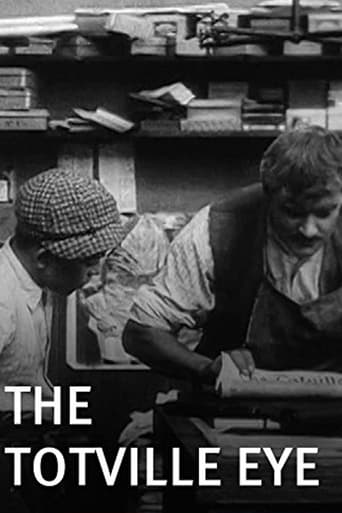
Edward O’Conner appears to have been a very early screen performer associated with the silent-film era, but surviving reference sources provide only minimal documentation about his life and career. He is specifically credited as an actor in the 1912 film The Totville Eye, placing him among the many stage and screen performers who worked in the formative years of American cinema. No reliable evidence currently available in standard film reference sources confirms a broader surviving filmography, biographical details, or later career development under this exact spelling of the name. Because the record is so sparse, it is difficult to determine whether he was a regular screen actor, a short-lived bit player, or possibly someone whose name was rendered inconsistently in early trade publications and surviving indexes. His documented association with a 1912 production nonetheless places him within the pioneering period when films were short, production companies were rapidly expanding, and many performers left only fragmentary traces in the historical record. Any full biography of Edward O’Conner must therefore be treated as provisional and limited to the few verifiable archival references that survive. He is best understood today as one of the many early cinema participants whose contribution is preserved more by film credits than by detailed personal history.
More about Edward O’Conner
In film history
Edward O’Conner’s cultural impact is difficult to measure because the historical record preserves only a single confirmed acting credit. Even so, his presence in a 1912 production illustrates the importance of countless minor performers whose work made early film production possible during the silent era. These actors helped shape the visual language of cinema at a time when the medium was still defining conventions of performance, staging, and comic or dramatic expression. In that sense, O’Conner belongs to the broad foundational class of early movie players whose names appear in credits and indexes even when their personal histories have been lost. His contribution is part of the collective labor that created the early film industry’s output and audience appeal. For database and archival purposes, his value lies in documenting the roster of performers active during cinema’s formative years.
Later reputation
Edward O’Conner’s legacy is primarily archival rather than celebrity-based. He remains a documented participant in the early silent era, and his name helps film historians and database researchers trace the personnel involved in otherwise obscure productions. Because no broader body of credited work is securely attached to him, his historical significance rests on his inclusion in the surviving record of The Totville Eye and the general study of early film labor. Performers like O’Conner remind us how much of silent-era history has been lost, fragmented, or obscured by incomplete documentation. His legacy therefore lies in the preservation of early cinema’s working cast lists and in the ongoing effort to reconstruct the careers of forgotten film workers. He serves as a small but meaningful example of the many under-documented contributors who formed the foundation of American motion pictures.
Influence
There is no evidence of direct influence on later actors or directors that can be confidently attributed to Edward O’Conner. His significance is instead indirect: by participating in an early 1912 film, he contributed to the collective pool of performers who established the acting practices of the silent era. The broader influence of such early screen players can be seen in the development of film acting from theatrical presentation toward more economical, camera-aware performance styles. However, any personal influence from O’Conner himself cannot be substantiated from the available record. He is best understood as part of the larger ecosystem of early cinema rather than as an individually documented stylistic innovator.
Off screen
No reliable biographical details about Edward O’Conner’s personal life, family, marriages, or later activities have been identified in the standard accessible film-history record under this exact name. There is no confirmed information about his home life, education, or whether he continued working in entertainment after 1912. Because the surviving evidence is extremely limited, any claims about his private life would be speculative and are not included here.
Credits
- Appears in the surviving record as an actor credited in the 1912 silent film The Totville Eye
- Represents one of the many early screen performers active during the formative years of American silent cinema
- His documented film activity dates to the transitional period when one-reel comedies and dramas dominated production
- His credit helps preserve evidence of lesser-known performers who participated in the rapidly expanding early film industry
Films
- The Totville Eye (1912)
Notes
- Edward O’Conner is specifically documented as an actor in The Totville Eye (1912).
- His surviving film record appears to be extremely limited, with no widely confirmed expanded filmography under this exact name.
- He worked during the silent-film era, when many performers appeared in short subjects and one-reel productions.
- Early cinema credits were often inconsistent, so performers like O’Conner can be difficult to trace across archival sources.
- His name survives mainly through film-credit documentation rather than through later biographies or star publicity.
- The Totville Eye is from the same formative period in which the American film industry was rapidly standardizing production and exhibition.
- He is an example of the many lesser-known screen actors whose work remains important to film history even when personal details are lost.
Questions
Who was Edward O’Conner?
Edward O’Conner was a silent-era screen actor whose surviving documentation identifies him as a performer in the 1912 film The Totville Eye. Very little personal or career information is available under this exact name, so he is mainly known through archival film credits.
What films is Edward O’Conner best known for?
He is best known for The Totville Eye (1912), the only securely identified credit available in the surviving record used here. No additional confirmed films can be reliably listed without risking confusion with other similarly named individuals.
When was Edward O’Conner born and when did he die?
His birth and death dates are not currently confirmed in the accessible historical record under this exact spelling of the name. Because of the sparse documentation, both dates are best treated as unknown unless new archival evidence emerges.
What awards did Edward O’Conner win?
No awards or formal honors are currently documented for Edward O’Conner. This is common for many early silent-film performers, especially those whose careers were brief or poorly recorded.
What was Edward O’Conner's acting style?
No detailed descriptions of his personal acting style survive in accessible sources. As a performer in 1912, he would have worked within the expressive, gesture-driven conventions typical of the silent era.
What is Edward O’Conner’s legacy in film history?
His legacy is mainly archival: he is one of the many early performers whose names help document the people involved in silent-era filmmaking. Even with limited biographical detail, his credit in a 1912 film contributes to our understanding of the early industry’s cast lists and production history.