The Totville Eye
Plot
The Totville Eye is a brief one-reel comedy built around a temporary takeover of a small-town newspaper office. While the editor is away, a printer and his young assistant step into control of the paper and quickly turn the workplace into a source of mischief, confusion, and comic improvisation. Their efforts to run the newspaper lead to a series of farcical misunderstandings as they attempt to manage the pressroom and gather local news. The humor comes from the contrast between their unqualified enthusiasm and the orderly authority that is usually associated with a newspaper operation.
About the Production
The Totville Eye was made during the early silent-comedy period, when studios frequently produced short one-reel films centered on domestic, workplace, or small-town comic situations. It was directed by C.J. Williams, one of the active filmmakers associated with the Thanhouser organization, and likely produced efficiently on studio sets and local exteriors near the company’s New Rochelle facilities. Like many early 1912 comedies, it was designed for fast exhibition turnover rather than as a prestige feature, so detailed production documentation is limited. Surviving records strongly suggest a modest, studio-driven production with emphasis on performance, visual gags, and clear storytelling rather than elaborate sets or special effects.
Historical Background
The Totville Eye was produced in 1912, at a moment when American cinema was still dominated by short subjects and when the language of screen comedy was rapidly developing. The film emerged during the nickelodeon era, when audiences consumed a varied program of shorts that included comedies, dramas, actualities, and news-style material. It also reflects the growth of the newspaper comedy subgenre, which used the bustling world of the pressroom to create easily understood visual chaos and social satire. In the broader historical context, 1912 was a period of rapid urbanization, expanding mass media, and increasing standardization in film production, all of which shaped the kinds of stories studios chose to tell. The film matters historically because it captures an early stage in studio comedy before features, refined stars, and more elaborate narrative structures became dominant.
Why This Film Matters
Although not a famous surviving classic, The Totville Eye is culturally significant as a representative example of early American silent comedy and the output of Thanhouser, a studio that played an important role in shaping the industry. Films like this helped establish the conventions of workplace farce, small-town satire, and the comic reversal of authority that later became staples of screen comedy. Its premise also reflects the early cinema fascination with modern institutions such as newspapers, which were both familiar to audiences and ripe for visual parody. For historians, the film is valuable as evidence of how quickly the silent era developed repeatable comic structures and audience expectations.
Making Of
Little detailed behind-the-scenes documentation survives for The Totville Eye, which is typical of many 1912 one-reel comedies. The film was likely mounted quickly in Thanhouser’s New Rochelle production environment, where the company produced a steady stream of shorts for national distribution. Casting appears to have drawn on regular silent-era performers rather than star-driven packaging, reflecting the studio’s emphasis on reliable repertory players. As with many films of this type, the creative challenge was not spectacle but clarity: the story had to be legible, funny, and compact within a very short running time.
Visual Style
The cinematography would have been characteristic of early 1910s studio filmmaking: static or minimally mobile camera placement, plainly staged action, and emphasis on full-body performance and readable staging. Because the comedy depended on workplace confusion, the framing likely favored clear spatial relationships inside the newspaper office so viewers could easily track the gags. Early Thanhouser shorts often used straightforward compositions that prioritized narrative clarity over visual experimentation. Any exteriors, if used, would have been functional rather than picturesque, supporting the film’s small-town comic atmosphere.
Innovations
The Totville Eye does not appear to be associated with major technical innovation, but it is representative of the practical craftsmanship that defined early American silent comedy. Its achievement lies in concise visual storytelling, efficient staging, and the ability to communicate a complete comic premise within a very short runtime. Like many Thanhouser productions, it reflects the industry’s growing ability to standardize production workflows while maintaining clear audience appeal. Its historical importance is therefore more industrial and formational than technological in the modern sense.
Music
As a silent film, The Totville Eye had no synchronized soundtrack or recorded score. In original exhibition, it would have been accompanied by live music selected by the theater musician or exhibitor, often improvised or compiled from popular tunes and cue sheets if available. Modern presentations of silent shorts may use archival-style piano accompaniment or newly commissioned music, but no original score is known to survive.
Memorable Scenes
- The printer and his young assistant assume control of the local newspaper office and immediately create comic confusion through their improvised management.
- The pressroom and editorial environment become the setting for escalating farce as ordinary work tasks are turned into visual jokes.
- The film’s central comic reversal comes from the temporary replacement of the absent editor by people who are clearly not prepared for the job.
Did You Know?
- The film is a Thanhouser production, placing it within one of the major American independent studios of the silent era.
- C.J. Williams was a prolific early filmmaker whose work helped establish the practical grammar of short comedy and melodrama at Thanhouser.
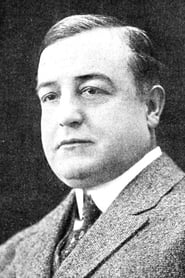
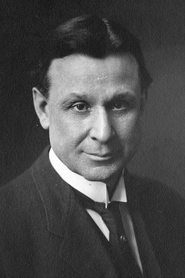
- The known cast includes Walter Edwin, Yale Boss, and Robert Brower, all of whom were active in early silent-era screen work.
- The title suggests a fictional local newspaper, 'The Totville Eye,' a common early-comedy device that satirized small-town institutions.
- As a 1912 film, it would originally have been shown with live musical accompaniment rather than a recorded score.
- The film belongs to a period when one-reelers were the dominant commercial format in American cinemas.
- Because it is an early short, surviving publicity and plot documentation are limited compared with later feature films.
- The film is associated with a studio era when production and distribution were tightly linked to theater programming demands.
- Its premise fits a recurring silent-comedy theme: ordinary workers suddenly placed in charge of a system they do not fully understand.
- The title is often encountered in archives and film databases as a historical record of Thanhouser’s 1912 output rather than as a widely circulated modern viewing title.
What Critics Said
Contemporary critical response is not well documented in surviving sources, which is common for short films from this period. As a one-reel comedy, it would have been assessed primarily as part of a studio’s general output and exhibition value rather than subjected to the kind of stand-alone criticism later features received. In modern scholarship, the film is generally of interest to archivists and historians for its studio context, cast, and genre significance rather than for a widely discussed artistic reputation. Its reputation today is therefore archival and historical rather than based on a robust critical canon.
What Audiences Thought
Direct audience-response records are scarce, but the film was likely intended to appeal to nickelodeon audiences who favored fast-paced comedies and recognizable everyday settings. Newspaper-office stories were accessible because they used an institution the public understood, and the comic premise of inexperienced men taking charge would have been easy to follow without intertitles dominating the experience. Like many early shorts, its success would have been measured by practical exhibition demand and audience amusement rather than by box-office reporting in modern terms. Its survival in film records suggests that it was part of the normal circulation of Thanhouser product, though not necessarily a standout title in popular memory.
Film Connections
Influenced By
- Vaudeville-style workplace comedy
- Early newspaper and office farce traditions
- Stage comic routines about mistaken authority
This Film Influenced
- Early newsroom comedies of the silent era
- Later workplace farces featuring ordinary people in charge
You Might Also Like
More Comedy Films
View allMore from C.J. Williams
View allFilm Restoration
Survival status is not clearly documented in widely available public sources. The film is known from archival and database references, but accessible preservation details and modern restoration information are not readily confirmed here. It may survive in institutional holdings or fragmentary form, but a fully verified public restoration record is not available.