Cabman Kate
Plot
Kate, a washerwoman with a sharp temper and an even sharper sense of justice, grows irritated when Tim McGrath, a cabman, tries to dodge payment for her laundry bill. To secure what she is owed, she takes possession of his cab as collateral, effectively putting the vehicle in hock until he settles up. The situation quickly becomes complicated when Kate unexpectedly gets the cab into service and takes on her first passenger, plunging herself into the unfamiliar and chaotic world of city street life. From there, the comedy escalates through misunderstandings and social awkwardness, with Kate's plainspoken determination colliding with the expectations of both her fare and the cabman who wants his property back. The film plays as a lively early comedy built around role reversal, working-class resourcefulness, and the comic friction that follows when an ordinary woman is forced into a new public role.
Director
C.J. WilliamsAbout the Production
Cabman Kate is an early silent short comedy produced during the mid-1910s studio era, when Vitagraph was a major American producer of one-reel and two-reel films. Surviving documentation on the film is limited, so specific production anecdotes, crew notes beyond director C. J. Williams, and exact shooting locations are not widely recorded in accessible reference sources. The film is notable for featuring Kate Price in a comic lead associated with working-class physical comedy and character-based humor, a style well suited to the short-form comedies Vitagraph specialized in at the time. As with many films from this period, the production was likely staged efficiently on studio lots or nearby urban backlots, with emphasis on readable gags, clear pantomime, and economical storytelling rather than elaborate sets.
Historical Background
Cabman Kate was made in 1915, a formative moment in American cinema when the silent film industry was rapidly expanding in output, audience reach, and narrative sophistication. Short comedies were a staple of the era, often appearing on the same programs as newsreels, travelogues, serial episodes, and longer drama reels. The film emerged during a time when working-class urban life, transportation, and changing gender roles were common sources of comic material, allowing filmmakers to build humor from everyday pressures that audiences immediately recognized. Vitagraph was one of the key studios helping define commercial film comedy before the dominance of feature-length comedies and star personas in the late 1910s and 1920s. The film also reflects the transitional nature of the 1910s screen comedy, when filmmakers increasingly shaped character-centered situations rather than relying solely on slapstick chaos. A washerwoman taking control of a cab speaks to the period's interest in status reversal, public versus private space, and the comic disruption of established social order. That makes the film a small but useful artifact of early American popular culture, showing how cinema translated labor, debt, and street commerce into accessible humor. Even if the film survives only in records rather than widely circulating prints, it remains part of the broader history of how silent comedy normalized strong, assertive female comic characters.
Why This Film Matters
Cabman Kate is culturally significant primarily as a representative example of early American silent comedy and of the type of female-centered comic vehicle that existed before the better-known star comedies of the 1920s. The title character, a washerwoman who outmaneuvers a cabman over an unpaid debt, fits a recurring silent-era comic pattern in which ordinary women temporarily seize power over male-dominated public spaces. That premise would have resonated with audiences familiar with street commerce, labor disputes, and the practical resilience of working-class women in urban life. The film also contributes to our understanding of Kate Price's screen persona and of Vitagraph's comic output. While not a landmark title in the mainstream canon, it helps document the breadth of early silent comedy beyond the most famous surviving Chaplin, Keaton, and Lloyd works. For historians, films like this are valuable because they show the texture of everyday early cinema: the kinds of jokes, social types, and narrative structures that circulated widely even when they did not become canonical. In that sense, Cabman Kate is important less for a single famous innovation than for what it reveals about the comedic imagination of 1915.
Making Of
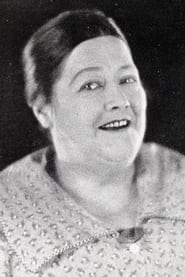
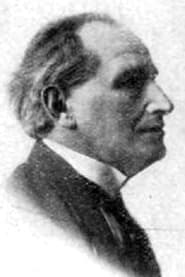
Very little detailed behind-the-scenes documentation survives for Cabman Kate, which is typical of many silent-era shorts that were produced quickly and circulated widely before archival preservation became standard. The available record identifies C. J. Williams as director and Kate Price, Eddie Redway, and Edward Elkas among the cast, but does not preserve extensive shooting reports, interviews, or production memoranda. What can be inferred is that the film was made in the Vitagraph comedy tradition, which relied on concise setups, visual clarity, and performable comic business rather than dialogue-driven humor. The story likely depended heavily on Kate Price's physical timing and expressive screen presence, with the humor arising from the absurdity of a washerwoman commandeering a cab and from the social confusion that follows her first passenger encounter.
Visual Style
Specific cinematography credit is not firmly established in the accessible record, and no detailed shot-by-shot analysis survives in common reference sources. As a 1915 silent comedy short, the film would almost certainly have used static or lightly adjusted camera placement, medium and full shots for readable body action, and simple staging to keep the physical comedy legible. The visual style of films from Vitagraph at this time typically emphasized clear composition, unobstructed action, and strong pantomime rather than elaborate camera movement. The comedy likely depended on blocking and timing in a straightforward urban setting, with the cab itself serving as both prop and narrative engine.
Innovations
There are no known technical innovations associated specifically with Cabman Kate in the surviving record. Its significance is instead tied to efficient silent-era comedic storytelling: a clear premise, economical staging, and visual escalation built around a single comic hook. The film likely illustrates the early studio system's ability to produce concise, audience-friendly comedies that depended on performance and situation rather than technical spectacle. In that sense, it represents the matured craft of short-form silent comedy rather than a landmark in technical experimentation.
Music
As a silent film, Cabman Kate had no synchronized recorded soundtrack. Like most releases of the period, it would have been exhibited with live musical accompaniment, often improvised or selected by the theater pianist or orchestra according to local practice. No original cue sheet or commissioned score is widely documented in accessible sources. Any modern presentation would typically rely on archival accompaniment or new music created for restoration screenings if a surviving print is available.
Memorable Scenes
- Kate seizes Tim McGrath's cab as security for the laundry bill, turning a simple debt dispute into a comic act of possession and control.
- Kate's first ride as a self-appointed cab operator creates the film's central comic escalation, as she is forced into a public role she is not prepared for.
- The passenger sequence likely plays as the film's key gag engine, with Kate's blunt practical manner colliding with urban manners and expectations.
Did You Know?
- Cabman Kate was released in 1915, during the peak of the American silent short-comedy era.
- The film stars Kate Price, who was known for playing vigorous, often broad comic characters in silent films.
- Its premise centers on a washerwoman taking a cab as security for an unpaid laundry bill, a setup that reflects the era's fondness for class-based domestic comedy.
- The film was directed by C. J. Williams, who worked on numerous short films during the silent period.
- Vitagraph Company of America was one of the major American studios in operation when the film was made.
- The plot uses a strong role-reversal gag: a working-class woman ends up in control of a cab and must navigate the consequences.
- Like many films from 1915, it was likely distributed as a short subject rather than a feature-length attraction.
- Exact surviving production records, full cast credits, and original marketing material are scarce, which is common for films from this era.
- The film is listed on contemporary film databases tied to historical cataloging, indicating that its title and basic credits are documented even if the film itself is difficult to view today.
What Critics Said
Contemporary critical response is not well documented in surviving accessible sources, so there is no reliable record of a major review campaign or press consensus. As a Vitagraph short comedy, it was likely reviewed, if at all, in trade notices or local exhibition columns rather than in the sustained critical discourse reserved for features. Modern critical attention is also limited, largely because the film is obscure and information on surviving prints is sparse. Within silent film scholarship, its interest lies more in historical documentation, cast study, and genre context than in reputational acclaim. As a result, it is generally regarded as a minor but informative example of 1910s studio comedy rather than a widely discussed classic.
What Audiences Thought
Specific audience reaction data does not survive in a meaningful way for this film. In 1915, short comedies were designed to be immediately accessible, fast-paced, and broadly amusing, and Cabman Kate would likely have played effectively for audiences who enjoyed domestic humor, class inversion, and physical comedy. The premise suggests a crowd-pleasing setup built around a strong comic lead navigating a situation bigger than herself, which was a familiar and dependable formula in early exhibition programs. Because the film is now obscure and likely not widely seen, its original audience reception can only be inferred from the general popularity of silent shorts of this kind rather than from documented box-office reports or fan responses.
Film Connections
Influenced By
- Music hall and stage comedy traditions
- Early vaudeville-style comic performance
- Urban farce centered on mistaken identity and social reversal
- Domestic comedies popular in early silent cinema
This Film Influenced
- Later silent domestic comedies with strong female leads
- Working-class comedy shorts that use role reversal as the central gag
- Studio-era one-reel comedies featuring everyday urban situations
You Might Also Like
More Comedy Films
View allMore from C.J. Williams
View allFilm Restoration
Preservation status is uncertain from commonly available sources; the film is documented in catalogs and databases, but a widely accessible surviving print is not confirmed in standard reference materials. It should be treated as a rare early short with limited availability unless a specific archive listing is identified. Many films from 1915 survive only partially or in fragmentary form, so it may be lost or extant only in archival holdings.