A Serenade by Proxy
"null"
Plot
A rural farmhand falls in love with the household cook, but he lacks the confidence to court her directly. A farmer’s daughter notices his predicament and agrees to help him by arranging an indirect serenade, hoping music and a little deception will soften the cook’s feelings. The plan, however, does not unfold as neatly as intended, and the mistaken identities and comic misunderstandings create complications for everyone involved. As the situation escalates, the film turns on the charm of social maneuvering, youthful romance, and the awkwardness of trying to engineer love through a proxy. In the end, the scheme produces unexpected results that resolve the romantic triangle in a light, comic fashion typical of early screen farce.
About the Production
This is a short silent-era comedy from the Edison studio system, made during the period when one-reel narrative films were a staple of American production. As with many Edison pictures of the era, it was likely shot quickly on a modest set or on a controlled outdoor location, with emphasis on clear staging, pantomime, and visual legibility rather than elaborate production design. The surviving record for the film is limited, and detailed production paperwork such as budgets, individual set locations, or unit logs does not appear to be widely available. The cast includes Edison regulars associated with early nickelodeon-era screen acting, which suggests the film was produced efficiently within the company’s stock-company approach to casting.
Historical Background
The film was produced in 1913, at a moment when cinema was rapidly transitioning from novelty and short skits toward more sophisticated narrative storytelling. American studios such as Edison were competing in a crowded marketplace, and one-reel comedies and domestic romances were especially important because they were affordable to make and easy for exhibitors to program. Socially, the film reflects an early twentieth-century screen world shaped by rural life, courtship conventions, and class-coded domestic roles, all presented through broad but affectionate comedy. It also belongs to a period before feature-length Hollywood dominance, when short films were the main commercial form and when many surviving records are fragmentary, making each title valuable as a document of early screen culture.
Why This Film Matters
While not a famous landmark title, the film is culturally significant as a representative example of Edison’s early narrative output and of the comic-romantic short subject tradition that helped define American cinema in the 1910s. Its plot shows how early filmmakers used simple social scenarios to generate humor and emotional clarity, laying groundwork for later romantic comedy formulas. The film is also useful to historians because it preserves the performance style, gender dynamics, and rural imagery common in the era, offering a snapshot of how ordinary courtship was dramatized for mass audiences. In a broader sense, titles like this helped establish the grammar of cinematic storytelling through visual action, misunderstanding, and resolution.
Making Of
A Serenade by Proxy was made in the industrial context of early Edison production, where films were typically conceived as concise, easily readable stories for rapid turnover in exhibition. Productions of this kind relied heavily on stock actors, efficient direction, and simple but expressive staging so that audiences could follow the plot immediately even in the absence of synchronized sound. The surviving information suggests no unusually elaborate production circumstances; instead, the film appears to exemplify the practical, studio-driven approach that dominated American silent shorts in 1913. Detailed behind-the-scenes accounts, rehearsal notes, and production memos have not been widely preserved or published for this title, so the best-established context comes from the norms of Edison-era filmmaking rather than from a richly documented production history.
Visual Style
The cinematography would have been typical of early 1913 silent filmmaking: fixed-camera framing, stage-like composition, and emphasis on full-body performance within a readable space. Edison shorts of this period often favored static or minimally moving setups that allowed the viewer to follow the action clearly, especially in comedies where gesture and timing were essential. The visual style likely used straightforward blocking and simple interior or exterior setups to keep the narrative legible. No specific named cinematographer or unique camera technique is widely documented for this title in the available record.
Innovations
The film does not appear to be associated with major technical innovations. Its significance lies instead in the refined use of silent-comedy storytelling conventions: concise setup, visual misunderstanding, and a carefully timed payoff. Like many Edison shorts, it demonstrates the industry’s developing ability to tell complete narratives economically within a short runtime. The film is technically important as an example of early standardized studio production rather than as a breakthrough in special effects or camera technology.
Music
As a silent film, A Serenade by Proxy had no synchronized recorded soundtrack. In original exhibition, it would almost certainly have been accompanied by live music from a theater pianist, organist, or small ensemble, with the selection shaped by the exhibitor and venue. Intertitles would have supplied key dialogue and narrative information, while music helped cue mood, comic timing, and romantic sentiment. No original cue sheet or surviving score is widely documented for this title.
Famous Quotes
null
Memorable Scenes
- The farmer’s daughter devises the surrogate serenade, setting the romantic complications in motion.
- The attempted courtship scheme produces comic confusion as the plan begins to backfire.
- The film’s resolution ties together the rural household and romantic misunderstandings in a compact silent-comedy payoff.
Did You Know?
- The film was released in 1913, during the peak of the American one-reel comedy era, when most narrative films were only a few minutes long.
- It was directed by C. J. Williams, who worked extensively in early American silent cinema and was associated with Edison productions.
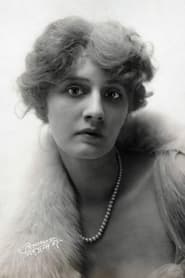
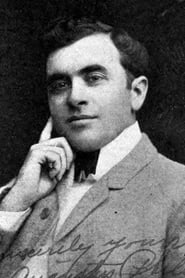
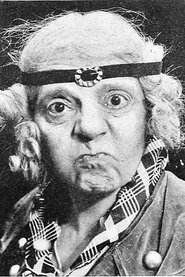
- The cast includes Gertrude McCoy, Augustus Phillips, and Mrs. Wallace Erskine, all names connected to the early studio repertory system.
- The premise centers on an indirect love strategy, a type of comedy situation that would remain common in later romantic farces and screwball comedy.
- The known plot description indicates a rural setting with working-class and domestic characters, a common background for early one-reel comic drama.
- Because it is a silent film, the story would have been communicated through intertitles, pantomime, and exaggerated physical performance rather than spoken dialogue.
- No widely cited awards, box-office figures, or contemporary trade reviews are readily documented for this title in the surviving public record.
- The film is associated with Edison Manufacturing Company, one of the most important early American film producers and distributors.
- Like many films from 1913, it likely premiered in nickelodeons or small exhibition venues rather than in a modern feature-length release context.
- The exact runtime is not readily documented in the surviving sources available for this title, which is common for many early shorts.
What Critics Said
No substantial contemporary critical record is widely available for this specific film in standard modern reference sources, which is typical for many one-reel shorts from 1913. It likely received the kind of brief trade attention common to Edison releases, with evaluation focused more on marketability, novelty, and entertainment value than on artistic analysis. Modern critical discussion is likewise limited, as the film is not among the heavily restored or frequently screened canonical silent titles. Today it is mainly of interest to historians, archivists, and scholars of early American comedy rather than to mainstream reviewers.
What Audiences Thought
Direct audience response data is not available for this title, and detailed box-office or attendance records have not been widely preserved. As an Edison-era comedy short with a straightforward romantic premise, it was probably intended to be accessible to general nickelodeon audiences, who favored short, easily understood comic situations. The film’s rural setting and lighthearted courtship story likely appealed to viewers accustomed to domestic humor and familiar social types. In the absence of reviews or exhibitor reports, the safest conclusion is that it functioned as a typical short entertainment piece rather than a controversial or sensational release.
Film Connections
Influenced By
- Early stage farce and comic sketch traditions
- Vaudeville-style physical comedy
- Popular rural melodrama and domestic comedy of the early 1900s
This Film Influenced
- Later silent romantic comedies built around mistaken identity and matchmaking schemes
- Early screen farces that used music and offscreen courtship as comic devices
You Might Also Like
More Comedy Films
View allMore from C.J. Williams
View allFilm Restoration
The film appears to survive in archival or database record form, but detailed public preservation information is limited. It is not widely known as a heavily restored or routinely screened title, and complete availability may depend on archive holdings, reference copies, or digitized database access. Its current status is best described as a little-seen early silent film with limited documentation rather than a mainstream lost title, though exact print condition is not readily established from standard public sources.