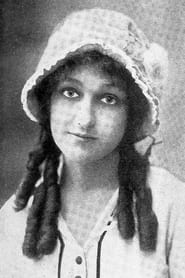
Bessie Learn
Actor
- Active
- 1912-1915
Films 5
About Bessie Learn
Bessie Learn was a silent-era American film actress whose screen career is documented primarily between 1912 and 1915. She worked during the formative years of the motion-picture industry, when short subjects and one-reel dramas dominated release schedules and many performers moved quickly from stage or vaudeville backgrounds into film. Surviving records show her appearing in titles such as The Totville Eye (1912), The Lone Game (1915), Across the Great Divide (1915), and McQuade of the Traffic Squad (1915), indicating that she was active in the studio system at a time when film credits and production documentation were often incomplete. Because early silent-era performers were frequently under-credited and biographical information was not consistently preserved, detailed personal data about Learn is scarce in contemporary sources. What is clear is that she contributed to the everyday labor of early American cinema, helping populate the dramatic and comedic shorts that formed the backbone of the industry's output in the 1910s. Her surviving filmography places her among the many working players whose performances supported the rapid growth of narrative film before the feature-length era fully took hold. Today she is remembered chiefly as a documented participant in silent film history rather than as a star with a well-preserved personal archive.
More about Bessie Learn
On screen
No detailed contemporary critical descriptions of Bessie Learn's acting style are known to survive. As a silent-era performer, her work would have relied on expressive facial expression, clear physical staging, and readable gesture to communicate character and emotion without synchronized sound. Her filmography suggests she was likely a versatile supporting actress capable of adapting to the brisk, economically staged productions typical of the 1910s.
In film history
Bessie Learn's cultural impact is best understood as part of the larger anonymous workforce of silent cinema rather than through celebrity status. Performers like Learn helped establish the acting conventions, production rhythms, and audience expectations that allowed American film to evolve from brief novelties into a major entertainment industry. Even when specific credits and biographies were not preserved, these actors contributed materially to the continuity and volume of early filmmaking. For researchers and classic-film historians, Learn is significant as a surviving name attached to a handful of early titles, illustrating how much of silent-era labor remains only partially documented. Her legacy lies in representation and preservation: she stands for the many women whose screen work was real and important, yet whose careers were not extensively recorded by contemporaneous publicity systems. In modern film scholarship, such names are valuable because they help reconstruct studio personnel networks, casting practices, and the breadth of participation in the formative silent period. Her surviving credits also underscore how many early films were short-form productions that employed numerous actors whose contributions were not always individually celebrated. As a result, Bessie Learn remains a small but meaningful figure in the historical record of early American cinema.
Later reputation
Bessie Learn's lasting legacy is as a documented silent-film actress whose surviving credits preserve a small but tangible footprint in early Hollywood history. She exemplifies the many performers whose work made the silent screen industry possible even though their biographies were never fully recorded. For modern historians and database researchers, her name helps fill in the personnel history of the 1910s and reminds us that film history is not built only on stars but also on dependable working actors. Her legacy is therefore archival as much as artistic: she is part of the foundational cast of American silent cinema.
Influence
There is no record of Bessie Learn directly influencing later named performers in a documented way. Her broader influence is indirect, as part of the body of silent-era acting that helped standardize screen performance through gesture, timing, and visual clarity. Actors working in this period shaped the grammar of film acting for later generations, even when individual names did not remain widely known.
Off screen
No reliable biographical record has been located that details Bessie Learn's personal life, family background, marriages, or later years. This is not unusual for early silent-era performers, particularly those who worked in short films and were not heavily publicized by the studios. Her private life appears to have left little trace in the surviving trade papers, fan publications, or standard reference works consulted for early cinema history.
Education
No verified information is available regarding her education or training. It is possible she gained experience through stage work, vaudeville, or local theatrical activity before entering films, but this has not been confirmed in surviving sources.
Credits
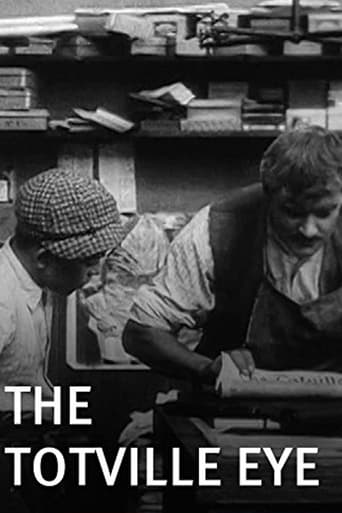
- Appeared in The Totville Eye (1912), placing her among the early silent-era performers active during the industry's transition from novelty films to scripted narrative shorts.
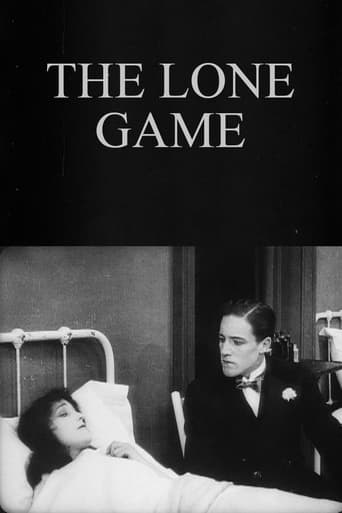
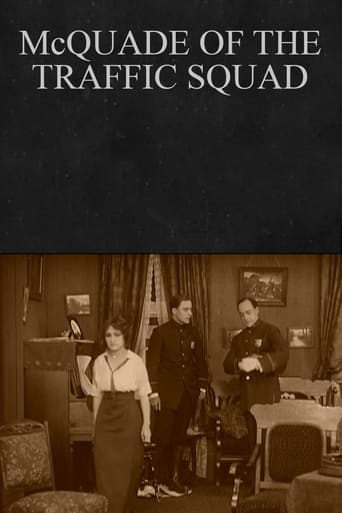
- Worked consistently in mid-1910s productions such as The Lone Game, Across the Great Divide, and McQuade of the Traffic Squad (all 1915), showing continued employment in the rapidly expanding film industry.
- Represents one of the many lesser-documented but important working actors who helped sustain the output of American silent film companies during the pre-feature era.
Roles
- Unnamed or uncredited roles in The Totville Eye
- Supporting roles in The Lone Game
- Supporting roles in Across the Great Divide
- Supporting roles in McQuade of the Traffic Squad
Films
- The Totville Eye (1912)
- The Lone Game (1915)
- Across the Great Divide (1915)
- McQuade of the Traffic Squad (1915)
Notes
- Bessie Learn's known filmography spans only a few years, which is common for many silent-era actors whose records are fragmentary.
- Her surviving credits include both 1912 and 1915 titles, indicating that she remained active during a period of rapid change in film production.
- She is associated with the early short-film era rather than the later feature-film celebrity system.
- No reliable birth or death information is readily preserved for her in standard reference materials.
- Her presence in historical film databases is important for reconstructing cast lists and production histories from the silent era.
- Like many actors of her time, she likely performed in productions where supporting players were not always prominently credited on screen or in publicity.
- Her name may appear in archival indexes and filmographies even when plot synopses or role names are unavailable.
Questions
Who was Bessie Learn?
Bessie Learn was an American silent-film actress active in the early 1910s. She is known from surviving film credits rather than from extensive biographical documentation, which is common for many performers of the silent era.
What films is Bessie Learn best known for?
Her known credits include The Totville Eye (1912), The Lone Game (1915), Across the Great Divide (1915), and McQuade of the Traffic Squad (1915). These surviving titles are the main basis for her filmography.
When was Bessie Learn born and when did she die?
Her birth and death dates are not confirmed in the surviving historical record used for classic-cinema reference. Many early film performers were not thoroughly documented, and Learn appears to be one of them.
What awards did Bessie Learn win?
No awards or nominations are documented for Bessie Learn. Her career predates the modern awards culture and, based on available records, she is remembered primarily for her early film appearances.
What was Bessie Learn's acting style?
As a silent-era actress, her performances would have depended on facial expression, body language, and visual clarity rather than spoken dialogue. No detailed contemporary review of her style survives, but she likely worked in the restrained yet expressive manner typical of early screen acting.
What is Bessie Learn's legacy in film history?
Her legacy is as part of the working fabric of early American silent cinema. Even though little personal information survives, her credits help historians map the careers of the many supporting players who contributed to the industry's development.