Also available on: Archive.org
The Lone Game

The Lone Game

1915 United States
Tuberculosis and public healthFamily loyalty and caregivingSacrifice and emotional enduranceIllness and vulnerabilitySocial duty and compassion

Plot

The Lone Game is a short silent drama centered on a brother, a sister, and a friend who are all drawn into the struggle against tuberculosis, a disease that cast a long shadow over early twentieth-century life. Rather than focusing on melodramatic spectacle, the film appears to build its drama around the emotional and physical toll of illness and the sacrifices made by those trying to help the afflicted. The narrative follows their intertwined efforts as they confront fear, fragility, and the limited medical understanding of the period. As with many reform-minded silent dramas of the 1910s, the story likely combines personal suffering with a public-health message, using the characters' ordeal to underline the seriousness of tuberculosis and the need for compassion and care.

About the Production

Release Date 1915

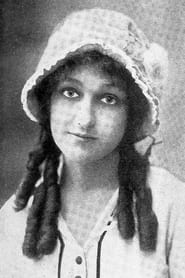
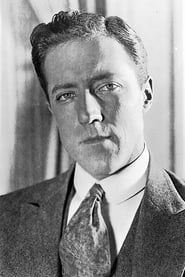
Available documentation on The Lone Game is extremely limited, which is typical for a number of American silent-era shorts from 1915. The film is associated with director Edward C. Taylor and stars Bessie Learn, Bob Walker, and Wilfred Young, but surviving reference sources do not consistently preserve detailed production records such as studio, budget, or shooting locations. Its subject matter suggests it may have been produced as a socially conscious drama, possibly intended to reflect contemporary public concern over tuberculosis and the importance of prevention and care. Because the title appears in fragmentary early film records, many specifics about the making of the picture have not been securely documented in accessible modern sources.

Historical Background

The Lone Game was made in 1915, during a formative period in American cinema when the feature film was emerging, but short subjects and one-reel dramas were still common parts of exhibition programs. This was also a period when tuberculosis was one of the most feared diseases in the United States and Europe, with public-health campaigns emphasizing sanitation, fresh air, isolation of the sick, and early treatment. Silent films frequently engaged with contemporary social issues, and health-themed dramas could serve both as entertainment and as moral instruction for audiences. The film's existence reflects the close relationship between early cinema and reform culture, where movies were often used to dramatize civic concerns and household anxieties in a highly accessible popular form.

Why This Film Matters

Although The Lone Game is not widely known today, it is culturally significant as part of the early silent tradition of socially conscious drama. Films like this helped normalize the idea that cinema could address serious public issues, including disease, family responsibility, and the emotional burden of caregiving. Its tuberculosis theme places it within a major historical discourse of the era, when illness was not only a medical condition but also a social and moral concern shaped by poverty, housing, labor, and access to care. For film historians, the title is also important as an example of how many early pictures are remembered less for celebrity status than for what they reveal about everyday anxieties and the educational ambitions of silent-era filmmaking.

Making Of

Very little behind-the-scenes documentation survives for The Lone Game, which is common for many silent films of modest scale from the mid-1910s. The known credits indicate that Edward C. Taylor directed the film and that Bessie Learn, Bob Walker, and Wilfred Young were among the principal performers, but detailed accounts of casting, studio production circumstances, or editorial decisions are not readily available in accessible records. Given the film's tuberculosis theme, it may have been shaped by the era's public-health messaging and by a desire to present illness in a socially responsible, emotionally direct manner. In the absence of preserved production memos, trade-press writeups, or surviving continuity records, the film's making remains largely a matter of archival identification rather than documented production history.

Visual Style

Specific cinematographic credits and technical descriptions for The Lone Game are not readily available in surviving sources, but as a 1915 silent drama it would have relied on black-and-white photography, staged tableaux, and expressive composition to communicate the story. Films of this period often used relatively static camera setups supplemented by carefully arranged blocking, close visual emphasis on actors' gestures, and intertitles to clarify plot and emotion. Because the subject is tuberculosis, the imagery likely emphasized domestic interiors, illness, and the physical contrast between health and frailty. Any visual style would have been shaped by the conventions of early silent realism and melodrama rather than by the more elaborate camera movement and editing that became more common later in the decade.

Innovations

No specific technical innovations are currently documented for The Lone Game. Its interest lies more in its subject matter and its place within the silent-era short drama format than in any known breakthrough in technique. Like many films of the period, its technical approach would have depended on straightforward silent-era production methods: staged scenes, intertitles, and performance-driven storytelling. The lack of detailed archival documentation makes it difficult to attribute any special cinematographic or editorial innovation with confidence.

Music

As a silent film, The Lone Game had no synchronized recorded soundtrack. It would originally have been exhibited with live musical accompaniment, typically by a pianist, organist, or small theater orchestra, with the exact music varying from venue to venue. No dedicated original score has been documented in accessible modern sources. Any music heard today would depend on the archival print, restoration practice, or modern screening accompaniment chosen by the exhibitor.

Memorable Scenes

  • The central dramatic moments revolve around the brother, sister, and friend confronting the reality of tuberculosis and the strain it places on their lives.
  • Scenes likely emphasizing bedside care and the emotional burden of illness would have been key to the film's appeal, even though no scene-by-scene continuity survives in accessible records.

Did You Know?

  • The film is identified as a 1915 silent drama directed by Edward C. Taylor.
  • Its plot centers on tuberculosis, a subject that was frequently used in early cinema for socially conscious or cautionary storytelling.
  • The cast includes Bessie Learn, Bob Walker, and Wilfred Young, all of whom are associated with early silent-era screen work.
  • The title The Lone Game does not refer to a sports or gambling film; it is instead a health-centered drama.
  • Like many films of the 1910s, it survives in modern databases mainly through catalog records and filmographies rather than through widely circulated prints or restoration publicity.
  • The film reflects the period's interest in using cinema as a vehicle for public moral or health instruction.
  • The title suggests an emotional or symbolic approach to struggle, possibly referring to an isolated battle with illness or adversity.
  • Because it is a short silent film from 1915, it likely originally relied on intertitles and performance to communicate its message without synchronized sound.
  • The film is often difficult to distinguish from other early titles in secondary sources, making exact identification important when cataloging it.
  • Its subject fits within a broader wave of early twentieth-century films that dramatized disease, domestic hardship, and social reform.

What Critics Said

Contemporary critical reception is difficult to reconstruct because detailed reviews of The Lone Game do not appear to survive in widely accessible modern references. As a 1915 silent short, it was likely reviewed, if at all, in local newspapers or trade publications that have not been comprehensively digitized or indexed. In modern scholarship and cataloging, the film is primarily treated as an archival entry rather than as a critically discussed work. Its current reputation is therefore shaped more by historical interest in early disease dramas and the careers of its cast and director than by surviving critical commentary.

What Audiences Thought

Audience reaction to The Lone Game is not well documented in surviving sources. As with many silent shorts of the period, it likely reached viewers as part of a broader exhibition program rather than as a stand-alone prestige release, which makes audience response difficult to trace. Films dealing with tuberculosis could provoke sympathy, anxiety, and recognition, especially during an era when many families had direct experience with the disease. The picture's reception was probably tied to the emotional immediacy of its subject matter and to audiences' familiarity with melodramatic storytelling conventions.

Film Connections

Influenced By

  • Early reform dramas about disease and social welfare
  • Silent melodramas centered on domestic hardship
  • Public-health awareness campaigns of the 1910s

This Film Influenced

  • Hard to verify direct influence from surviving records; likely part of the broader tradition of health-themed silent dramas

Film Restoration

Preservation status is uncertain in accessible modern references; the film is obscure, and no widely cited restoration or home-video release is documented. It may survive only in archival records or in an incomplete form, but available sources do not provide a definitive widely confirmed preservation assessment. In practical terms, it should be treated as a little-seen early silent title with limited public availability.

Themes & Topics