Edward C. Taylor
Director
- Active
- 1915-1915
Films directed 2
About Edward C. Taylor
Edward C. Taylor appears in surviving silent-era film records as a film director active in 1915, a period when the American motion-picture industry was still rapidly defining its production methods, storytelling conventions, and directorial roles. He is credited with directing at least two titles from that year, "The Lone Game" and "Across the Great Divide," which places him among the many early craftsmen whose work helped shape the grammar of narrative cinema even if their names did not remain widely celebrated in later film history. Because documentary evidence on him is sparse, much of his career beyond these credits has not been securely preserved in widely accessible reference sources, and there is no well-documented later feature-film career attached to his name in the same way as more prominent silent-era directors. His surviving filmography suggests that he was working during the formative period of short-subject and transitional feature production, when directors often moved quickly between projects and when credits were not always consistently standardized. He may have been one of the many studio-era personnel whose contributions were important at the time but whose biographical trail was obscured by incomplete archive records, lost films, and inconsistent billing practices. At present, the available evidence supports viewing Edward C. Taylor as an early American silent-film director whose historical significance lies primarily in his documented 1915 directing credits and in the broader context of pioneering cinema labor.
More about Edward C. Taylor
Behind the camera
No detailed stylistic assessment can be made from the surviving record because his films and production context are not well documented in accessible reference sources. Based on the era in which he worked, his directing likely followed the silent-film conventions of 1915: visual storytelling, expressive blocking, economical scene construction, and clear melodramatic or adventure-oriented staging. Any specific claims about signature camera movement, editing patterns, or thematic preferences would be speculative without extant prints, reviews, or production notes. He should therefore be understood as an early studio-era director whose style, if reconstructable at all, would depend on archival research into surviving materials rather than established critical tradition.
In film history
Edward C. Taylor's cultural impact is best understood in the context of the early silent-film industry rather than through a large surviving body of famous titles. Directors like Taylor were part of the essential workforce that turned cinema from a novelty into an organized narrative art form, especially during the mid-1910s when feature-length storytelling was becoming more standardized. Even when a director's name did not endure in popular memory, the films they made contributed to the training ground from which larger studio practices and later classical Hollywood methods emerged. His surviving credits help historians map the breadth of early American production beyond the small number of major auteurs who dominate modern retrospectives. In that sense, his value to film history is archival and contextual: he represents the many working directors whose labor sustained the silent era's rapid growth.
Later reputation
Taylor's lasting legacy is the documentary footprint of his 1915 directing work, which remains part of the historical record of silent cinema. Because so little biographical detail survives, his legacy is tied less to celebrity than to the preservation of early filmography data and the recognition that cinema history was built by many small, often anonymous contributors. For researchers, his name underscores how many early directors have been partially lost to time even though they participated in the creation of American screen culture. If his films survive in archives or private holdings, they may offer additional evidence of his approach and place within the industry's developmental years. Until such materials are located and studied, Edward C. Taylor remains an obscure but legitimate figure in silent-film history whose credits warrant inclusion in comprehensive databases.
Influence
There is no documented record of Edward C. Taylor directly mentoring major later filmmakers or exerting a clearly traceable artistic influence on specific directors. His influence, if any, would have been indirect and embedded in the broader silent-era production environment, where early directors established working methods later refined by more famous practitioners. The films he directed in 1915 belong to a period when cinematic language was still being codified, so his work may have participated in the shared evolution of narrative technique rather than introducing individually identifiable innovations. In historical terms, his influence is therefore collective and infrastructural rather than personal and celebrity-driven.
Off screen
No reliable, widely accessible biographical information has been preserved about Edward C. Taylor's personal life, including family background, marriages, children, residence, or education. This lack of documentation is common among many silent-era industry figures whose careers were brief, whose publicity coverage was limited, or whose records were lost over time. At present, his personal history cannot be reconstructed with confidence from the available mainstream film-reference record. Any more specific claims would risk confusing him with other similarly named individuals.
Credits
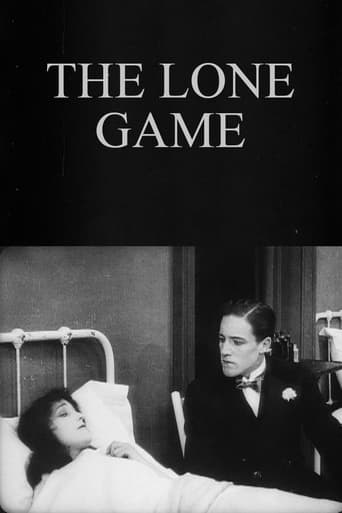
- Credited as director of "The Lone Game" (1915), an early silent-era title in his surviving filmography.
- Credited as director of "Across the Great Divide" (1915), another documented directing credit from the same year.
- Represents the generation of early film craftsmen working during the rapid industrial expansion of American silent cinema.
- Appears in surviving motion-picture records despite the scarcity of biographical information, indicating a traceable but largely obscure early career.
Films
- The Lone Game (1915)
- Across the Great Divide (1915)
Notes
- Edward C. Taylor is one of many silent-era film professionals whose career is documented only by a small number of surviving credits.
- His known directing activity is currently concentrated in a single year, 1915.
- "The Lone Game" and "Across the Great Divide" are the two titles most consistently associated with his name in surviving film records.
- Because so much silent cinema is lost, it is possible that additional work by Taylor existed but has not been securely documented in accessible sources.
- No widely known award history is attached to his name, which is typical for many early filmmakers working before the modern awards era.
- He should not be confused with later or similarly named individuals in other fields, as the film record points specifically to a silent-era director.
- His obscurity highlights the archival challenges faced by historians studying the earliest decades of American cinema.
Questions
Who was Edward C. Taylor?
Edward C. Taylor was an early silent-era film director credited with directing films in 1915. He is a historically obscure figure whose surviving record is important mainly for documenting the breadth of early American cinema.
What films is Edward C. Taylor best known for?
He is best known for the silent films "The Lone Game" (1915) and "Across the Great Divide" (1915). These are the key titles that appear in his surviving filmography.
When was Edward C. Taylor born and when did he die?
His birth date and death date are not currently confirmed in widely accessible film-reference sources. The surviving record identifies him through his 1915 directing credits, but not through detailed biographical data.
What awards did Edward C. Taylor win?
No awards or nominations are currently documented for Edward C. Taylor in the standard surviving reference record. This is not unusual for early silent-era filmmakers, many of whom worked before major awards systems existed.
What was Edward C. Taylor's directing style?
A precise stylistic profile cannot be established from the available evidence because his films are not well documented in accessible modern sources. As a 1915 director, he would have worked within silent-era conventions such as visual storytelling, expressive staging, and clear dramatic action.
What is Edward C. Taylor's legacy in film history?
His legacy lies in his place among the many early directors who helped build silent cinema during its formative years. Even though his name is not widely known today, his credits contribute to the historical record of early feature production and film industry development.